Live Bait Available: Shrimp and Worms

ECONOMY TACKLE FISHING REPORT 6/22/20

Tarpon are on the beach!  Red Snapper bite is off the hook! Big grouper also being caught in numbers! Boston Macks, sardines, squid, and octopus are the ticket.

Tight Lines!

Recent News

Lightweight Kayaks in Sarasota: Why Serious Anglers Are Going Lighter (And Where to Buy)

There’s a moment most kayak anglers hit, usually sometime after the fifth or sixth time struggling to lift a 75-pound polyethylene kayak onto a car roof, or after wrenching a shoulder at the boat ramp, when they start asking: “Is there a better way?” There is. Lightweight kayaks have never been better, more feature-rich, or more widely available than they are right now.

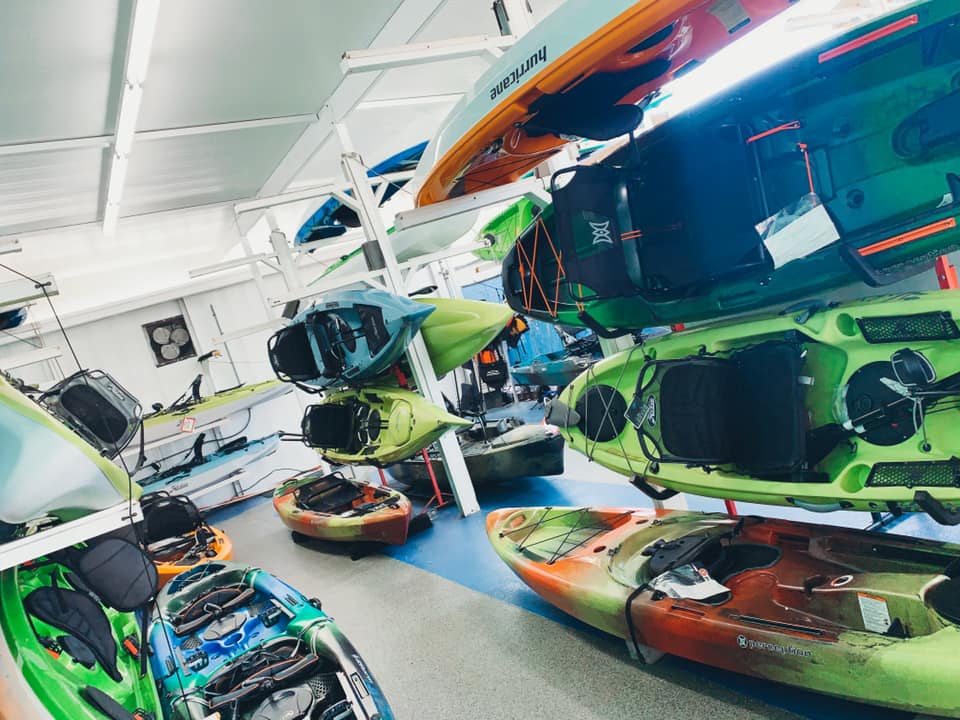
Economy Tackle carries two of the best lightweight kayak brands in the industry, Hurricane and Eddyline, and May is one of the best times to demo and buy before the summer season peaks. This guide covers everything you need to know about going lighter and why it might be the best upgrade you’ve made to your fishing life.

Why Kayak Weight Matters More Than Most Anglers Realize

When people shop for a fishing kayak, they typically focus on features: rod holders, storage, stability, and pedal drive. Weight often gets treated as a footnote. That’s a mistake, especially in Sarasota, where car-topping, beach launches, and solo loading at boat ramps are part of the routine.

  • Solo loading: Every pound you carry onto a roof rack or into a truck bed is a pound you lift, often at awkward angles, often when you’re already tired from a day on the water
  • Carry distance: Sarasota’s best kayak launches — Turtle Beach, Ted Sperling Park, and Bayfront Park- require carrying your kayak from the parking area to the water. Lighter kayaks make this a non-issue.
  • Longevity: The number-one reason experienced kayak anglers sell their boats is weight-related frustration. A kayak you can manage comfortably is a kayak you’ll actually use.

The conventional wisdom used to be that lightweight kayaks meant compromised durability or stripped-down features. That’s no longer true. Thermoformed ABS and composite construction have closed the gap dramatically.

Thermoformed vs. Polyethylene: Understanding the Difference

Most kayaks sold at big-box retailers are made from rotomolded polyethylene (HDPE), a durable, inexpensive plastic that results in heavy, somewhat flexible hulls. It’s a great material for a beginner’s first kayak. But it’s not the only option, and for serious anglers it’s often not the best one.

Thermoformed ABS

Thermoformed kayaks are made by heating sheets of ABS plastic (or ABS/acrylic composite) and forming them over a mold. The result is a stiffer, lighter, more visually refined hull that holds its shape better and performs more like a composite kayak at a fraction of composite pricing.

  • Weight savings: A thermoformed kayak in the same size class is typically 20–35% lighter than its polyethylene equivalent
  • Stiffness: A stiffer hull transfers paddle energy more efficiently 
  • UV resistance: ABS acrylic surfaces hold color and resist UV degradation better than polyethylene
  • Aesthetics: Thermoformed kayaks simply look sharper, relevant if that matters to you

Eddyline Kayaks: Premium Performance, Serious Weight Savings

Eddyline takes thermoformed construction to a higher level with their Carbonlite 2000 material, a carbon-infused ABS composite that delivers rigidity and weight savings approaching fiberglass at a significantly lower price. Eddyline kayaks are premium products; the price reflects it, but so does everything about the on-water experience. At Economy Tackle, we carry the Eddyline Caribbean 12FS, a fishing-specific model loaded with the features serious anglers want.

Eddyline Caribbean 12FS — Fishing-Ready Lightweight

The Caribbean 12FS is Eddyline’s fishing-specific model and the one we stock at Economy Tackle. Built on Carbonlite 2000 thermoformed material, it comes in well under 50 lbs while delivering a feature set that serious inshore anglers will appreciate immediately. It’s designed to fish out of the box, not as an afterthought.

  • Fishing features: Molded-in tracks for accessories, flush-mount rod holder, and standing pads for sight-fishing on the flats
  • Ideal for: Sarasota Bay inshore anglers who want a premium lightweight fishing kayak with fishing-specific rigging ready to go
  • Available at Economy Tackle — stop in to see current colors and discuss rigging options with our staff

Lightweight Kayaks and Sarasota’s Older Angling Community

We want to say this plainly because it matters: lightweight kayaks have genuinely extended fishing careers for anglers in their 60s, 70s, and beyond. The single biggest reason experienced Sarasota anglers stop kayak fishing isn’t skill, interest, or fitness on the water; it’s the weight of the boat at the ramp and on the roof rack.

Hurricane and Eddyline kayaks changed that calculation completely. Pair a lightweight kayak with a small electric motor (see our companion blog on kayak electric motors), and you have a fishing platform that asks almost nothing physically of the person operating it, while delivering every bit of the access, stealth, and experience that makes kayak fishing special.

If you’ve been fishing Sarasota Bay for years and the weight of your current kayak is becoming a barrier, come talk to us. We’ll put you in something lighter and get you back on the water.

Why Buy from Economy Tackle Instead of a Big-Box Retailer

This is a fair question worth answering directly. When you search “lightweight kayaks” online, you’ll see large sporting goods chains and outdoor retailers prominently featured. Here’s what they can’t offer:

  • Local knowledge: Our staff fishes and kayaks in Sarasota Bay. We know which kayaks handle the specific conditions here: the afternoon chop, the skinny flats, the current at the passes. Generic recommendations don’t account for this.
  • Brands they don’t carry: Dick’s and similar retailers don’t stock Hurricane or Eddyline. These are specialty brands available through dealers who know kayaks, not mass-market products.
  • Demo opportunities: We can arrange on-water demos so you paddle before you buy. No big-box retailer does this.
  • Continual support: Rigging your kayak, adding rod holders, sizing your paddle, answering questions mid-season, we’re here for that. A big-box retailer is not.
  • Fishing expertise: Buying a fishing kayak and fishing tackle from the same local expert who fishes the same water is a different experience than a transaction with a chain store.

Visit Economy Tackle This May

May is a perfect time to buy a new kayak in Sarasota. The summer season is approaching, conditions are beautiful, and the current inventory is strong. Come in to see the full selection, ask questions, and get set up right for the season.

Economy Tackle | 6018 N. Tamiami Trail, Sarasota, FL | Open 7 days a week

For more, visit our complete guide to kayak fishing in Sarasota Bay.

Kayak Fishing with an Electric Motor in Sarasota Bay: Everything You Need to Know

May is one of the best months to be on Sarasota Bay. Snook are waking up, cobia are still in the passes, redfish are tailing on warm flats, and the water clarity is excellent. It’s also the month when many anglers start thinking about upgrading their setup, and one of the fastest-growing upgrades in the kayak fishing world right now is the electric motor.

At Economy Tackle, we’ve been watching the electric motor movement gain serious momentum, especially among Sarasota’s experienced anglers and those who want to fish longer days without the physical demands of paddling. If you’ve been curious about adding an electric motor to your kayak or buying a motor-ready kayak, this guide is for you.

For more, visit our complete guide to kayak fishing in Sarasota Bay.

Why Electric Motors Are Catching On with Kayak Anglers

The core appeal is simple: you get the access and stealth of a kayak with the effortless range of a motorized boat. But the reasons anglers are making the switch go deeper than that.

Covering More Water

Sarasota Bay is roughly 35 miles long. A paddle kayak angler can realistically cover 3–5 miles in a productive fishing morning. With a small electric motor, that range expands to 8–15 miles, letting you reach spots that are too far to paddle to, the far grass flats off Casey Key, the deeper points of Roberts Bay, the mangrove islands south of Midnight Pass, and still have energy to fish them hard.

Hands-Free Fishing

This is the game-changer for most anglers. When you’re fighting current, working into a headwind, or trying to hold position on a moving tide while casting to tailing redfish, paddling and fishing simultaneously is genuinely difficult. An electric motor handles the positioning so your hands stay on the rod. Many anglers describe the first day fishing with a motor as the day kayak fishing “clicked” for them.

Accessibility for All Anglers

This is something we hear often at Economy Tackle, and it matters: electric motors have made serious kayak fishing accessible to anglers who might otherwise be sidelined. Shoulder injuries, knee replacements, back problems, or simply the reality of aging, none of these have to end your fishing career when a small, quiet electric motor can do the paddling for you. The fishing remains every bit as technical and rewarding; you’re just letting technology handle the transportation.

Types of Electric Motor Setups for Kayaks

Customer Favorite Kayak + Motor Combinations

At Economy Tackle, we’ve helped a lot of customers find the right kayak and motor pairing. Here are three setups our customers keep coming back to.

Crescent Crew Tandem + Bixpy Transom Mount

The Crescent Crew tandem paired with the Bixpy transom mount and motor creates a fun and versatile setup for relaxing days on the water. The Crew offers comfortable frame seating, excellent stability, and the flexibility to easily convert from a tandem to a solo kayak. Combined with the simple-to-install Bixpy motor system, paddlers can explore farther, cruise with ease, and spend more time enjoying the adventure with less effort. It’s a particularly popular combo for couples and fishing buddies who want to share a boat without sacrificing comfort or range.

Hobie Kayaks + Bixpy Drivewell Adapter

Hobie kayaks are a great choice for anglers who want to explore the water with ease, offering a smooth, efficient ride and hands-free pedal power that makes every trip more enjoyable. Paired with the Bixpy drivewell adapter, paddlers can swap their pedal drive for quiet motor power in seconds — adding effortless range and versatility without changing boats. It’s an ideal upgrade for Hobie owners who want the option to motor across open water on longer trips to Sarasota Bay’s more distant flats.

Hottest Trending Setup: Bonafide XTR130 + Newport Motor

The Bonafide XTR130 paired with a Newport electric motor is one of the hottest fishing kayak setups we’re seeing right now — and for good reason. Choose between two powerful Newport motor options: the NT300 with traditional tiller steering or the NK300 pedal-drive steering system, depending on your preference. Anglers get a stable, motor-ready fishing kayak built for performance and all-day adventures on the water. Its fully riggable platform even allows for the addition of a tandem swivel seat, making it easy to bring along a friend, partner, or fishing buddy. Newport electric motors also provide a quiet, clean, emission-free alternative to traditional gas-powered motors — a big plus in Sarasota Bay’s manatee-rich waters.

Pedal + Motor Combo: Native LTE 10 + Bixpy

The new Native LTE 10 paired with Bixpy motors offers one of the most versatile setups on the water right now. What makes it unique: the Bixpy motor fits directly into the drive well alongside the pedal system, meaning you can pedal and run the motor at the same time, or switch between the two on the fly, without having to swap either system out. This is a key difference from setups like the Hobie + Bixpy combination, where you have to fully remove the pedal drive before dropping in the motor. On the Native LTE 10, both are always ready. Pedal quietly through tight mangrove creeks and shallow flats, engage the motor to push through a headwind or cruise between spots, or run both together when you need maximum range. It’s the ultimate do-everything kayak setup for serious Sarasota Bay anglers.

What to Know Before You Buy

Battery: The Most Important Decision

Your motor is only as good as your battery. The good news: most of the motors we carry at Economy Tackle are sold in kits that include a lithium battery, so you’re set up right from the start. One important note: the Bixpy motor is a self-contained system and can only be used with the Bixpy battery — it’s not compatible with third-party batteries.

Florida Kayak Motor Regulations

In Florida, a kayak with a motor attached is classified differently from a human-powered kayak. Key rules:

  • Registration: A kayak with any motor (electric or gas) must be registered with the Florida DHSMV as a motorized vessel
  • Lighting: A motorized kayak must display proper navigation lights at night
  • Idle speed zones: Motorized kayaks are subject to the same idle speed and no-wake rules as any other motorized vessel, including manatee protection zones
  • Fishing licenses: No change, same fishing license requirements apply

Stop by Economy Tackle, and we’ll walk you through exactly what’s required for your specific setup before you hit the water.

Weight and Portability

The biggest practical consideration for most kayak anglers is the total weight of the motorized setup. A 12-foot fishing kayak weighs 55–85 lbs. Add a transom-mount motor and battery, and you’re looking at 90–130 lbs total. That’s a significant solo carry for loading and unloading at a ramp.

Lithium batteries reduce this considerably. Kayak carts and wheeled ramp dollies help with the ground transport. Many anglers back a truck or trailer to the water’s edge. It’s worth thinking through your launch routine before committing to a motor setup.

Best Sarasota Bay Spots for Electric Motor Kayak Fishing

The electric motor opens up spots that are simply too far for practical paddle fishing:

  • North Bay Flats (from Ken Thompson Park): Motor north along the ICW to reach the extensive flats north of the Ringling Bridge, a 2-mile paddle becomes a 10-minute motor run
  • Roberts Bay South end: The far southern reaches of Roberts Bay near Casey Key are excellent but require a long paddle; motors make this realistic in the morning
  • Jim Neville Preserve / Midnight Pass area: Launch from Turtle Beach, motor south to the preserve, then cut the motor and drift-fish the flats quietly
  • Myakka River: Launch from the Upper Myakka Lake boat ramp and motor out to target remote waters in search of bass, snook, and tarpon

Come Talk to Us at Economy Tackle

Whether you’re looking to add a motor to your existing kayak, buy a new motor-ready rig, or just want to understand your options, we’re happy to walk through it with you.

Visit Economy Tackle at 6018 N. Tamiami Trail, Sarasota. May is a great time to get set up before the full summer season hits. Come in and let’s talk motors.

For more, visit our ultimate guide to kayak fishing in Sarasota Bay.

Best Fishing Kayaks for Sarasota Bay: A Complete Buyer’s Guide

Sarasota Bay is one of Florida’s premier inshore fishing destinations, a shallow, protected estuary teeming with redfish, snook, trout, and tarpon. For anglers looking to get close to the action without the noise or expense of a motorized boat, a fishing kayak is the perfect solution. But not every kayak is built for the unique demands of Sarasota Bay’s grass flats, mangrove channels, and open water.

This guide walks you through exactly what to look for when choosing a fishing kayak for Sarasota Bay conditions, reviews the top models we carry at Economy Tackle, and helps you match the right boat to your fishing style and budget.

Why Sarasota Bay Demands a Specific Kayak

Before you buy any fishing kayak, you need to understand the environment you’ll be fishing in. Sarasota Bay is predominantly shallow, and many of the best fishing spots sit in just 1 to 3 feet of water. The bay features open stretches that can get choppy winds, narrow mangrove tunnels, and grass flats that require a stealthy approach.

These conditions demand a kayak that balances several competing priorities:

1. Shallow water performance: Kayaks already have low drafts, but how shallow you are fishing might determine whether you paddle or pedal

2. Stability: Sarasota Bay’s conditions and environment are better suited for sight fishing, so having a kayak with a wide beam (width) to stand or a high frame seat will give you an advantage. 

3. Storage: You’ll want plenty of room in your kayak to take all your needed and desire for a day on the water.

Related Resource: Complete Guide to Kayak Fishing in Sarasota Bay

economy tackle sarasota

Sit-On-Top vs. Sit-Inside: Which is Right for Sarasota?

For Sarasota Bay fishing, sit-on-top (SOT) kayaks are almost always the better choice. Here’s why:

  • Self-draining: SOTs have scupper holes that drain water automatically, great in a saltwater environment where waves can splash over the bow
  • Easier re-entry: If you flip in the bay, climbing back onto a SOT is far simpler than trying to re-enter a sit-inside hull
  • More fishing-friendly: SOTs allow you to swivel, stand, and access gear around you much more easily
  • Cooler in Florida heat: Open cockpit designs keep you cooler in Sarasota’s intense summer sun

Sit-inside kayaks still have their place; they’re faster and have an advantage in cold weather, but for the vast majority of Sarasota Bay fishing, a sit-on-top is the right call.

Pedal Drive vs. Paddle: The Great Debate

One of the biggest decisions you’ll make is whether to go with a traditional paddle kayak or invest in a pedal-drive system. Both have genuine advantages for Sarasota Bay fishing.

Paddle Kayaks

  • Lower cost — typically $400 to $1,200 for quality fishing models
  • Generally, lighter and easier to transport on a vehicle
  • Better in very shallow water — no drive unit to worry about
  • Simpler to maintain — fewer moving parts
  • More maneuverable in tight mangrove tunnels
  • Easier setup – grab your paddle and go!

Pedal Drive Kayaks

  • Hands-free propulsion –  keep your rod ready while moving
  • Increased efficiency and speed – these systems allow you to cover significant ground across Sarasota’s expansive open flats with ease
  • Less tiring on long days – legs are stronger than arms for sustained effort
  • Ideal for trolling lures or live bait while maintaining speed
  • Higher cost – quality pedal kayaks start around $1,500 and go up from there

For beginners or anglers on a budget, a quality paddle kayak is an excellent starting point. If you’re a serious angler who fishes multiple days per week, the investment in a pedal drive pays dividends quickly.

Related Resource: Our comprehensive kayak fishing resource for Sarasota Bay

Key Features to Look For

Stability: Kayak stability typically comes down to two main factors. 1. In general, wider kayaks provide more stability, making them ideal for standing and casting. Fishing kayaks range from 32″ to 38″ wide, with wider models offering a larger platform to stand or for gear. 2. The shape of the hull plays a role in how a kayak performs on the water and its stability. Basic sit-on-top kayaks often feature a flat hull, which provides solid initial stability, great for casual paddling and fishing, but can lack strong secondary stability and may feel slower. Higher-performance fishing kayaks use hybrid hull designs, combining stability with improved speed and maneuverability.

Rod Holders

Look for kayaks with flush-mount rod holders, tracks to add rod holders, or a large tankwell for a crate. You’ll want to keep multiple rods rigged at all times. Switching from a topwater to a soft plastic should take seconds, not minutes.

Gear Tracks and Accessory Mounting

Most quality fishing kayaks come with gear tracks (also called rail systems) that allow you to mount accessories like fish finders, camera mounts, cup holders, and tackle trays without drilling into the hull. This is a significant advantage; your setup can evolve as your fishing style develops.

Storage

For a full day on Sarasota Bay, you’ll need space for a tackle bag, a small cooler or insulated bag, a dry bag for your phone and valuables, and safety gear. Look for a kayak with a large rear tank well with bungee rigging and a front hatch for storage.

Weight and Portability

Sarasota Bay has dozens of public boat ramps and kayak launches, but getting your kayak from your car to the water often involves a carry of 50 to 100 yards or more, and a kayak cart can make that trip easier. Choose a cart that can carry both the weight of your kayak and your gear. The right wheel type depends on the terrain you’ll be crossing. Most modern kayak carts use airless tires, which perform well over rough ground. For beach use, larger inflatable (balloon-style) tires are essential to help you roll smoothly over soft sand.

Top Fishing Kayaks Available at Economy Tackle

We stock a carefully curated selection of fishing kayaks chosen specifically for Sarasota Bay conditions. Here are some of our top recommendations across different price points and fishing styles:

Best Overall Fishing Kayak

Over the past few months, our most popular fishing kayak has been the Native Slayer 10 LTE. It features a lightweight, grab-and-go design with plenty of room, along with a pedal drive that offers both forward and reverse.

Coming soon, we’ll be welcoming the Bonafide XTR 130, a true fishing machine. It offers generous walkable deck space, a comfortable swivel seat, optional tandem seating, and plenty of gear track space. Plus, we will be adding a Newport Electric Motor for some serious on-the-water performance.

Best Budget Fishing Kayak

The best budget-friendly option is the Pelican Catch Classic 120. Backed by a well-known name, this sit-on-top kayak offers reliable performance and is a great option for beginners. We also now offer Pelican’s affordable, lightweight pedal fishing kayak- the Catch Kicker 110. This fin drive gives anglers the chance to pursue shallow waters while still using their drive system. 

Close behind are the Wilderness Systems Tarpon 120 and the Perception Pescador Pro 12, both offering excellent performance and value. The Tarpon 120 features an integrated track system and a comfortable seat, making it ideal for long days on the water. The  Pescador Pro 12 offers a raised frame seat, giving you better visibility for sight fishing while paddling and plenty of storage as well.

Best Pedal Drive Kayak

For anglers who want hands-free propulsion, the pedal-driven Hobie Outback is a strong contender. It comes fully rigged with the Hobie H-Rail system, a strong, corrosion-resistant platform for easily adding gear-  along with map pockets, rod holders, hatches, and a large rear tankwell. 

For more serious anglers, we offer the Native Slayer Max Propel and the Hobie Pro Angler 14. Both provide generous storage, comfortable seating, and large, stable platforms designed for standing, casting, and sight fishing.

Related Resource: Everything you need to know about kayak fishing in Sarasota Bay

Essential Accessories You’ll Need

The kayak is just the beginning. Here are the accessories you’ll want to add to your setup before hitting the water:

Stop by Economy Tackle, and our staff will help you find a fishing kayak tailored to you. We carry all the accessories you need under one roof.

Where to Launch in Sarasota Bay

Once you have your kayak, you’ll want to know where to put in. Sarasota Bay has numerous public launch points, from dedicated kayak launches to full boat ramp facilities. The best spot for you depends on what you want to fish and your skill level. Beginners should start at protected launches such as those close to the mangrove islands, while experienced anglers can access more remote flats and open bays. 

Choosing the right fishing kayak for Sarasota Bay is one of the best investments you can make as an angler. The right boat puts you in places no motorized vessel can reach, the ultra-shallow flats where redfish tail in the sun, the tight mangrove channels where snook lie in ambush, the grass edges where spotted sea trout cruise at dawn.

Visit Economy Tackle in Sarasota to see our full selection of fishing kayaks. Our staff are local anglers who fish Sarasota Bay regularly, and we’ll help you find the right boat for your fishing style, your budget, and the waters you love to fish.

Related Resource: The ultimate Sarasota Bay kayak fishing guide — techniques, locations, and more

Top 6 Kayak Fishing Spots in Sarasota Bay

Sarasota Bay stretches roughly 35 miles along the Gulf Coast of Florida, offering an extraordinary variety of fishing environments within easy paddling distance of public launch points. From the shallow grass flats of the upper bay to the deep mangrove channels of the barrier islands, every section of this estuary holds fish year-round.

We’ve identified the 6 best kayak fishing spots in Sarasota Bay. Each location has been selected based on fish diversity, accessibility, and scenic value. We’ve included GPS coordinates, recommended launch points, target species, and the best tackle to bring.

Related Resource: Complete Guide to Kayak Fishing in Sarasota Bay — techniques, gear & more

A Note on Sarasota Bay Fishing Access

Most of the spots listed below are accessible from public boat ramps or dedicated kayak launches. Florida law requires a valid fishing license for anyone 16 or older fishing in state waters. Always check current regulations for size and bag limits. Sarasota Bay is subject to FWC rules, and some areas have additional protections.

Tides matter enormously when kayak fishing Sarasota Bay. Many of the best flats fish best on a falling tide that concentrates fish in deeper channels, or on a rising tide as fish push up onto the grass to feed. Download a tide chart app and plan your trips around tidal movement.

best paddle shop near bradenton

Spot 1: Phillippi Creek Flats

GPS: 27°16’15.9″N 82°32’03.6″W | Launch: Phillippi Estate Park

The shallow flats at the mouth of Phillippi Creek are one of the most productive and accessible kayak fishing locations in the entire Sarasota Bay system. A short paddle from the public launch at Phillippi Estate Park puts you on grass flats that regularly hold spotted sea trout, redfish, and snook.

  • Best species: Spotted sea trout, redfish, snook
  • Best tides: Outgoing tide concentrates fish at the creek mouth
  • Recommended tackle: Soft plastic paddletails on 1/4 oz jigheads, weedless gold spoons
  • Best times: Early morning, October through May

Spot 2: Sarasota Bay Grass Flats (North End)

GPS: 27.3621° N, 82.5798° W | Launch: Bayfront park on Longboat Key

The expansive grass flats on the northern end of Sarasota Bay are classic inshore fishing territory. On clear-water days, you can sight-fish to tailing redfish and cruising sea trout across vast stretches of turtle grass. This area rewards patient, quiet anglers who pedal or paddle slowly and let the fish come to them.

  • Best species: Redfish, spotted sea trout, flounder
  • Best tides: Incoming tide as fish push onto the flats
  • Recommended tackle: Weedless soft plastics, topwater plugs at dawn
  • Best times: Year-round; summer mornings before wind builds

Spot 3: Lido Key Mangrove Channels

GPS: 27.308771, -82.566274 | Launch: Ted Sperling Park

The backside of Lido Key offers an intricate network of mangrove channels that are tailor-made for kayak fishing. Snook hold tight to the mangrove roots year-round, and the channel edges hold redfish and juvenile tarpon, especially in summer. This area requires a stealth approach, slowly and cast tight to the root structure.

  • Best species: Snook, redfish, juvenile tarpon (summer)
  • Best tides: Rising tide as fish move into the mangroves
  • Recommended tackle: DOA Shrimp, live bait under a popping cork
  • Best times: Year-round; best for snook, May through October

Spot 4: Roberts Bay

GPS: 27.290228, -82.547076 

Roberts Bay, located at the southern end of Sarasota Bay, is a productive and often overlooked destination for kayak anglers. The bay’s shallower, more protected waters are excellent for beginners, while the grass flat edges and oyster bars offer serious fishing opportunities. Flounder is a specialty here in the fall and winter.

  • Best species: Flounder, redfish, sheepshead, trout
  • Best tides: Outgoing tide along oyster bar edges
  • Recommended tackle: Live shrimp, gulp shrimp on jigheads
  • Best times: October through March for flounder

Spot 5: New Pass

GPS: 27.335592, -82.579340 | Launch: Ken Thompson Park

New Pass connects Sarasota Bay to the Gulf of Mexico, creating a productive current-driven environment that attracts a wide variety of species. The structure around the pass, bridge pilings, rock jetties, and deep channels holds snook, tarpon, jack crevalle, and Spanish mackerel. This is one of Sarasota’s most exciting kayak fishing spots.

  • Best species: Snook, tarpon, Spanish mackerel, jack crevalle
  • Best tides: Strong tidal flow is key; fish the movement
  • Recommended tackle: Live bait, swimbaits, topwater lures
  • Best times: May through October for snook and tarpon

Note: Boat traffic in and around New Pass can be heavy. Kayak anglers should stay alert and wear their PFD at all times in this area.

Spot 6: Midnight Pass — Jim Neville Marine Preserve

GPS: 27.2092177°N, -82.511764°W | Launch: Turtle Beach Park

Midnight Pass, recently reopened after being closed for decades, has quickly become one of the most exciting kayak fishing destinations in the Sarasota area. The restored tidal flow has dramatically improved water clarity and oxygen levels throughout this section of Little Sarasota Bay, and the fishing has responded in kind. The Jim Neville Marine Preserve, accessed from Turtle Beach Park on the south end of Siesta Key, protects a stretch of pristine grass flats and mangrove shoreline that sits right in the shadow of the pass. Crystal-clear water makes sight-fishing to redfish and trout here as good as anywhere in the bay system. The renewed tidal exchange through Midnight Pass pulls bait and predators through the area on every tide cycle, creating consistent action that improves year by year as the ecosystem continues to recover. Paddle south from Turtle Beach into the preserve and work the grass flats in 1–3 feet of water for tailing reds, or fish the mangrove edges near the pass itself for snook stacked up in current.

  • Best species: Redfish (sight fishing), snook, spotted sea trout, flounder
  • Best tides: Incoming and outgoing are both productive; outgoing concentrates fish near the pass
  • Recommended tackle: Gold spoon or D.O.A. shrimp for flats reds; live shrimp or pilchards near the pass for snook
  • Best times: Year-round; fall and spring are peak for flats fishing; summer evenings near the pass for snook

Planning Your Trip: What to Bring

For any of these locations, pack the following essentials:

  • Fishing license (available at Economy Tackle or online at myfwc.com)
  • PFD (personal flotation device) — required by Florida law
  • Sunscreen, hat, and sun-protective clothing
  • Plenty of water — minimum 32 oz per hour in summer heat
  • Tide chart and weather forecast
  • Marine VHF radio or fully charged cell phone
  • Anchor with at least 30 feet of line

Related Resource: The ultimate guide to kayak fishing in Sarasota Bay — gear, techniques & safety

Live Bait vs. Artificial Lures for Inshore Florida Fishing: When to Use Each

Ask ten anglers whether they prefer live bait or artificial lures, and you’ll get ten different answers, usually delivered with strong opinions. The truth is that both have a place in your arsenal, and knowing when to reach for each one is what separates a productive day on the water from a slow one.

If you’re fishing Sarasota Bay and the surrounding inshore waters of Southwest Florida, here’s what experience actually teaches you about this debate.

The Case for Live Bait

Live bait works because it’s real. The scent, the movement, the vibration in the water — fish have been eating these things their entire lives. On tough days when the fish are pressured, lethargic from temperature swings, or simply not in a chasing mood, live bait often gets bites that artificials can’t buy.

Shrimp is the universal inshore bait in Florida. Snook, redfish, trout, flounder, sheepshead, snapper — virtually everything that swims inshore will eat a live shrimp. Fished under a popping cork, free-lined on a light jighead, or drifted along the bottom, shrimp is a go-to choice for beginners and experienced anglers alike. It’s also widely available at Economy Tackle and bait shops throughout the Sarasota area.

Pinfish and grunt are the preferred live bait for targeting larger snook and redfish. Hook a lively pinfish near a mangrove edge or under a dock light at night, and you’re presenting exactly what big snook are already hunting. Pinfish are easy to catch on a small hook and a piece of shrimp, and a live well full of them is serious ammunition.

Mullet in various sizes covers a wide range of situations. Finger mullet are excellent for redfish on the flats and snook along shorelines. Larger cut mullet fished on the bottom is one of the most effective redfish and black drum baits on the market, especially in passes and deeper structure.

Live bait shines when fish are inactive, water temperatures are extreme (very cold or very hot), visibility is low, or you’re targeting a specific large fish that’s been finicky. It also tends to produce faster results for beginners who are still learning to work with artificials effectively.

The downsides are real, though. Live bait requires a live well or aerated bucket, burns through your supply quickly if fish aren’t cooperating, and limits how much water you can cover. You’re committed to fishing an area rather than searching for fish.

No Live Bait Needed

The Case for Artificial Lures

Artificials let you fish faster, cover more water, and target specific behaviors and depths with precision. A good angler with the right lure can consistently match or outfish live bait under the right conditions.

Soft plastic paddle tails and shrimp imitations are the workhorses of inshore Florida fishing. Rigged on a light jighead, a soft plastic can be worked through the water column, bounced along the bottom, or slowly retrieved just under the surface. They’re effective for trout on the flats, redfish in the grass, and snook around structure. Brands like DOA, Z-Man, and Gulp have proven track records in Sarasota Bay.

Topwater lures produce some of the most exciting fishing you’ll experience inshore. Early morning on a calm flat, a walking topwater bait worked slowly over the grass can draw explosive strikes from trout and snook. The visual element of the strike is addictive. When conditions are right, nothing beats it.

Gold spoons are one of the oldest and most reliable redfish baits in existence. A weedless gold spoon wobbled across a shallow flat mimics a fleeing baitfish and triggers instinctive reaction strikes from redfish and trout. They’re also castable in the wind, durable, and inexpensive.

MirrOlures and suspending twitch baits are particularly effective for trout in cooler months when fish are holding in specific depth ranges. A slow, twitching retrieve that keeps the lure in the strike zone longer produces well when fish aren’t actively chasing.

Artificials are the better choice when fish are actively feeding, when you need to cover water to locate schools, when you’re sight-fishing and need precise casts, or when you simply don’t have access to fresh live bait. They require more skill and practice to use effectively, but that investment pays off over time.

When Live Bait Wins

Live bait has a clear edge in these situations:

Fish are inactive due to cold fronts or dramatic temperature drops. Sarasota Bay sees water temperatures dip into the low 60s in winter, and fish slow down considerably. A live shrimp sitting in their face is far easier to eat than a lure requiring a chase.

Visibility is poor. After heavy rain, strong tidal flow, or wind chop, water clarity drops, and fish are relying on scent as much as sight. Live bait produces scent trails that artificials can’t replicate.

You’re targeting sheepshead, flounder, or black drum specifically. These species respond far better to live or cut bait than to most artificial presentations.

Beginners who are still developing their retrieve techniques will consistently catch more fish on live bait while building confidence on the water.

When Artificials Win

Artificials have a clear edge in these situations:

Fish are actively feeding on the surface or chasing bait. When you can see bait getting pushed and birds working, an artificial cast into the action often outperforms live bait because you can keep up with the school.

You’re covering a lot of water looking for fish. Kayak anglers working the flats of Sarasota Bay can cover significant ground more efficiently with artificials, stopping to work live bait only once fish are located.

Sight-fishing on shallow, clear flats. A soft plastic or gold spoon dropped 18 inches in front of a tailing redfish is often more effective than fumbling with live bait and potentially spooking the fish.

You need to make repeated casts to the same area without burning through your bait supply.

The Smart Approach: Use Both

The most productive inshore anglers don’t commit exclusively to one or the other. They start with artificials to locate fish and cover water, then switch to live bait when they’ve found where fish are holding or when conditions call for it. Keeping a small supply of live shrimp on the kayak as a backup is almost always worth it.

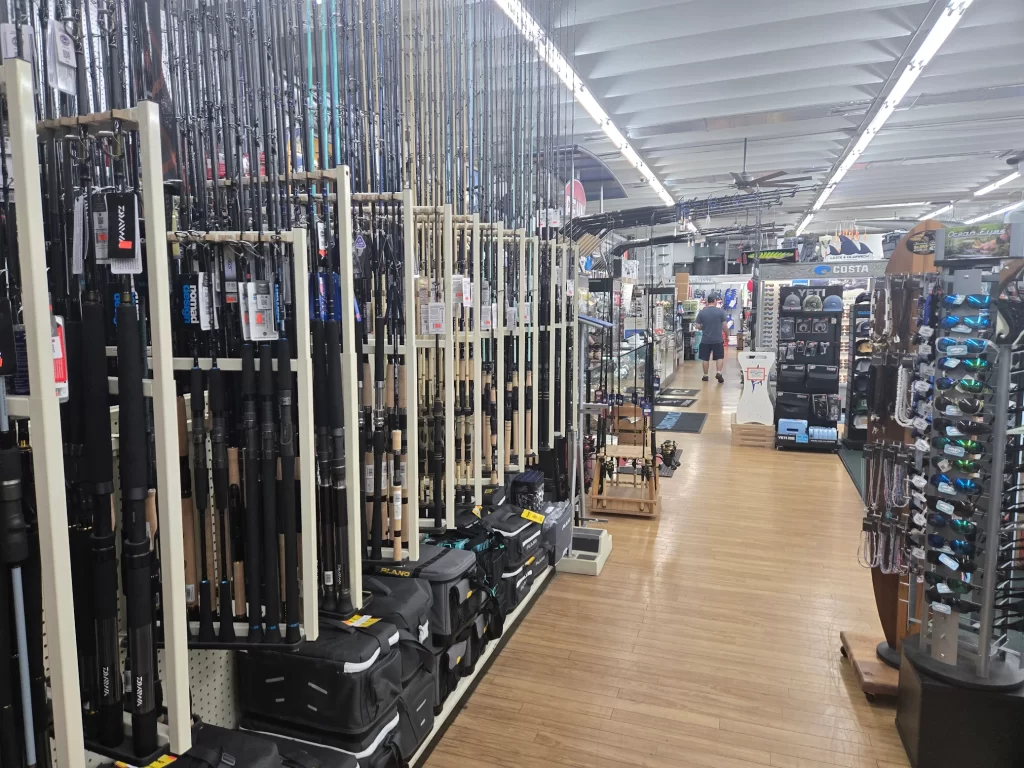
At Economy Tackle, we stock both a full selection of proven inshore lures and fresh live and frozen shrimp daily. Whether you’re heading out with a box of soft plastics or need to load up on shrimp before an early morning tide, stop by, and we’ll make sure you’re set up for the conditions.

Fishing Florida’s Tarpon Season from a Kayak: What You Need to Know

There are fish, and then there are tarpon. Few inshore species command the same respect, obsession, and outright awe as the Silver King. Hooking one from a kayak puts you in a category of angling that very few anglers ever experience, and Southwest Florida is one of the best places in the world to do it.

If you’ve been thinking about targeting tarpon from your kayak this season, here’s what you need to know before you head out.

When Tarpon Arrive in Southwest Florida

Tarpon begin showing up along Florida’s Gulf Coast in earnest starting in April. By May, the migration is in full swing, and June and July represent the peak of tarpon season in the Sarasota and Charlotte Harbor region. Fish push through the passes, stack up along beaches, and work their way into bays and backwater areas following bait pods and favorable water temperatures.

Water temperature is the key driver. Once Gulf waters consistently hit the low to mid 70s, tarpon become increasingly active and catchable. By late spring, fish are rolling on the surface, daisy-chaining in passes, and showing themselves in numbers that can genuinely take your breath away.

The season winds down through August as many fish continue their migration south or push offshore, though resident fish and late-season stragglers keep things interesting well into fall in some years.

fishing for tarpon in sarasota on kayak

Best Areas Near Sarasota for Kayak Tarpon Encounters

You don’t need to travel far. Some of the most productive tarpon waters in Florida are right in the Sarasota area.

Longboat Pass and New Pass are the top producers during the migration. Tarpon stack in these cuts as they move between the Gulf and the bay, and a kayak angler positioned on the edges of the current can intercept fish that boat traffic pushes away from the channel center. Early morning, before boat traffic picks up, is prime time.

Big Pass near Siesta Key is another reliable corridor. The bridge pilings and channel edges hold fish and give kayak anglers natural structure to work around.

Sarasota Bay itself sees tarpon working through during the migration, particularly along the deeper grass flat edges and near the ICW. Sight-fishing opportunities on calm mornings can be exceptional when fish are rolling.

The beaches along Lido Key and Longboat Key hold migrating tarpon tracking just outside the first sandbar during May and June. Kayak anglers who launch from public beach access points and work parallel to the shore can find fish that are almost within casting distance of the sand.

The Tackle You Need

This is not the time for your trout rod. Tarpon are large, powerful, and will destroy underpowered gear. Rigging correctly before you launch is non-negotiable.

For spinning gear, a quality 7’6″ to 8′ heavy rod paired with a 6000 to 8000 class reel is the standard starting point. Spool with 50 to 65 lb braided line. Braid gives you the sensitivity to feel what’s happening and the strength to apply serious pressure during a fight.

For baitcasting setups, a heavy flipping or casting rod in the 7′ to 7’6″ range with a high-capacity reel spooled with 65 lb braid is a strong choice. Baitcasters allow for precise placement when sight-casting to rolling fish.

Leader selection is critical. Tarpon have abrasive mouths and gill plates that will cut through light fluorocarbon in seconds. Use 60-80 lbs fluorocarbon leader, typically 4 to 6 feet in length, attached to the braid with a quality knot. A circle hook in the 6/0 to 10/0 range is the right terminal choice for most live bait presentations.

Live Bait vs. Lures: Which Approach to Take

Both work, and the right choice depends on conditions and how the fish are behaving on a given day.

Live bait is the most consistent producer for kayak tarpon fishing in the Sarasota area. Live crabs, particularly blue crabs and pass crabs, are considered among the top tarpon baits in Florida. Large live mullet, threadfin herring, and pinfish are also excellent options. Free-lining live bait in a pass on an incoming tide with fish actively moving through is as productive as it gets.

Artificial lures shine when fish are in a chasing mood or when you’re targeting rolling fish on open flats and beaches. Large swimbaits, tarpon-specific snook plugs, and streamer-style lures in the 6 to 8 inch range can draw aggressive strikes. Working a large paddle tail or a surface plug past a daisy chain of rolling tarpon is a sight you won’t forget, regardless of whether they eat.

Presentations need to lead the fish. Cast well ahead of the direction they’re moving and bring the bait across their path. A tarpon that has to turn to chase a bait is far more likely to commit than one that sees the lure coming straight at it.

Fighting and Releasing Tarpon from a Kayak

This is where things get real. A 100 lb tarpon on the end of your line and a 12-foot kayak under you is a combination that demands respect and preparation.

When the fish jumps, bow to the king. Drop your rod tip toward the fish during jumps to create slack and reduce the chance of a thrown hook or a broken rod from the impact. Tarpon jump repeatedly and violently, and keeping tension through every leap is how gear gets destroyed.

Be prepared to be moved. Tarpon will pull a kayak significant distances and in directions you don’t choose. Know your surroundings before you hook up. Avoid fishing near heavy boat traffic, bridge pilings, or areas with strong crossing currents that could put you in a dangerous position.

Keep the fight as short as possible. Tarpon are powerful, but they tire, and a fish that’s been fought to exhaustion takes longer to recover and faces a higher risk of post-release mortality. Apply steady, confident pressure throughout the fight. Don’t let the fish sit still and recover mid-fight.

For the release, keep the tarpon in the water at all times if possible. If you need to touch the fish, support it horizontally and never hold a tarpon vertically by the lower jaw, as this can damage internal organs. Hold the fish upright in the water, pointing into any available current, until it kicks free on its own.

One important note on Florida regulations: Tarpon are a catch-and-release-only species, and no harvest is permitted. Tarpon over 40 inches must remain in the water at all times when caught, per FWC guidelines. Only hook-and-line fishing is allowed; snagging, snatch hooking, and spearing of tarpon are prohibited.

Anglers pursuing a Florida state or world record may purchase a tarpon tag through the Florida Fish and Wildlife Conservation Commission for $50, with a limit of one tag per person, per year.

Please note that fishing regulations can change frequently, sometimes daily, weekly, or seasonally, and vary by location based on factors such as water conditions, fish populations, and conservation needs. Always verify current rules with the FWC before heading out.

Safety Considerations

Tarpon fishing from a kayak is exhilarating. It’s also the kind of fishing that requires you to think ahead.

File a float plan with someone on shore before heading out to passes or beaches. Know the tide schedule and how it affects current strength in the passes you’re fishing. Wear your PFD. This is non-negotiable when targeting large fish that can put you in unpredictable situations quickly.

Carry a line cutter or knife accessible without digging through gear. If a fish wraps you in your own line or runs under the kayak, you need to be able to cut free immediately. Keep your hooks attended and never leave a rigged rod where it could contact your body during a sudden run.

The experience of fighting a tarpon from a kayak is unlike anything else inshore fishing offers. It requires preparation, the right gear, and sound judgment on the water. Get those things right, and you’ll have stories worth telling for a long time.

Stop by Economy Tackle before tarpon season heats up. We carry the tackle, leader material, live bait, and local knowledge to get you ready. Visit us at floridakayak.com or come see us in Sarasota.

Best Kayak Hideaways Near Sarasota: Semi-Secluded Beaches You Can Only Reach by Paddle

One of the best-kept secrets about kayaking in Sarasota is that a paddle craft gets you somewhere a powerboat, a car, or a walking trail simply cannot. The same shallow water and tight mangrove creeks that make Sarasota Bay so productive for fishing also hide some genuinely beautiful, genuinely quiet spots, beaches and sandbars, and tucked-away shores that see a fraction of the foot traffic of Siesta Key or Lido Beach.

June is a perfect month for this kind of paddling adventure. The water is warm, the mornings are calm before afternoon sea breezes develop, and the tourist crowds that pack the public beaches are easy to leave behind once you’re on the water. Here are three of our favorite local hideaways, all reachable by kayak, all worth the paddle.

For more, visit our complete guide to kayak fishing in Sarasota Bay.

1. Vamo to Midnight Pass — Little Sarasota Bay

Launch Point: Vamo Road area, Little Sarasota Bay

The paddle from the Vamo area down through Little Sarasota Bay to Midnight Pass is one of the most rewarding routes in the region, and with Midnight Pass now open again after decades of closure, the destination has never been better. The restored tidal flow through the pass has rejuvenated the surrounding waters, improved clarity, and brought the fish back in force.

The route takes you through quiet bay waters flanked by mangrove shoreline, past the Jim Neville Marine Preserve, and out toward the pass itself. At the pass, you’ll find a stretch of beach that feels genuinely remote despite being minutes from civilization. The water clarity near the pass on an incoming tide is exceptional, crystal clear over white sand, with the kind of tropical-looking shallows you’d expect to find in the Keys. Anchor up, wade around, have lunch, watch the fish work the current. It’s one of those spots that reminds you why you live in Sarasota.

  • Distance: Approximately 2-4 miles round trip depending on launch point
  • Best time: Morning on a calm day; incoming tide for clearest water at the pass. Also, boat traffic is lighter in the mornings, as you have to cross the Intracoastal. 
  • Fishing bonus: Snook stack up in the Midnight Pass current on outgoing tides; redfish and trout on the adjacent flats
  • Tip: Bring an anchor; the tidal current at the pass is strong enough to keep a kayak moving

2. Robinson Preserve — Bradenton / Palmetto Area

Launch Point: Robinson Preserve kayak launch, 1704 99th St NW, Bradenton

Robinson Preserve is a 682-acre coastal preserve just north of Sarasota in Manatee County, and it contains one of the area’s best-kept paddling secrets. From the kayak launch, paddle out through the preserve’s mangrove-lined waterways until you reach the observation tower area, then take a right and head under the boardwalk. This route leads you through increasingly quiet backcountry water and eventually delivers you to a stretch of semi-secluded beach along Tampa Bay that most visitors to the preserve never find.

The beauty of this route is that you can kayak your gear directly to the beach- cooler, chairs, snacks, fishing tackle- without carrying anything overland. The beach itself is calm, sheltered, and uncrowded on weekdays. It’s the kind of place you find yourself wanting to stay far longer than planned.

  • Distance: 2–3 miles round trip
  • Best time: Weekday mornings for maximum solitude; the preserve is popular on weekend afternoons
  • Wildlife: The preserve’s native plants attract an incredible variety of birds, including herons, roseate spoonbills, ospreys, and more. Bring binoculars!
  • Tip: The observation tower itself offers a stunning elevated view of the preserve and bay, worth the short walk if you visit
  • Parking: Free at the preserve; arrive early on weekends

3. Ken Thompson Park — The Less-Crowded City Beach and New Pass Sandbar

Launch Point: Ken Thompson Park, City Island, Sarasota

Ken Thompson Park is already well-known among local kayak anglers as one of the best fishing launches in Sarasota, but it doubles as an underrated beach destination that most people drive right past on their way to Longboat Key. The park’s own shoreline is a quieter, less crowded alternative to the main public beaches, with ample parking, clean facilities, and calm water ideal for kayak launching.

But the real prize is just around the corner: the sandbar on the Longboat Key side of New Pass, accessible by a short 10-minute paddle from the Ken Thompson, launching next to the Sailing Squadron. This sandbar sits in the middle of the pass and is only reachable by water, which keeps the crowds thin even on busy weekends. Paddle out, drop anchor in the shallows, and you have your own little slice of Sarasota Bay with incredible views of the Ringling Bridge and the Bay. Bring a cooler, string up a fishing line, and stay a while.

  • Distance: 0.5–1 mile to the sandbar
  • Best time: Low to mid tide when the sandbar is most exposed; calm mornings
  • Important: Anchor well; New Pass has significant boat traffic and tidal current; use a proper anchor and anchor trolley
  • Fishing: The sandbar and surrounding pass produce snook, Spanish mackerel, bluefish, and flounder; live bait or a fast-retrieved spoon works well. 
  • Parking: Ken Thompson Park has generous parking, restrooms, and locally favorite restaurants nearby; far less congested than Lido or Siesta Key

Tips for Kayak Beach Day Success

  • Dry bags are non-negotiable: Every item you bring should be in a waterproof bag or container. Even calm days produce splashes.
  • Anchor and anchor trolley: All three of these spots benefit from being able to hold position. An anchor trolley system lets you adjust your anchor point from bow to stern for optimal holding.
  • Launch early: Sarasota’s summer mornings are the calmest of the day. By 11 am, afternoon sea breezes are developing, and boat traffic is increasing. 
  • Sun protection: June UV is brutal. SPF 50+ sunscreen, a wide-brim hat, and a long-sleeve sun shirt. Reapply every 90 minutes.
  • Tell someone your plan: A simple float plan, “I’m launching from X, going to Y, back by Z”, is good safety practice any time you’re on the water.

Get Outfitted at Economy Tackle

Economy Tackle carries everything you need for a kayak beach day: dry bags, anchor trolley kits, waterproof phone cases, sun shirts, and the local knowledge to point you in the right direction. Stop in at 6018 S. Tamiami Trail before your next paddle adventure and let us help you plan the trip.

For more, visit our ultimate guide to kayak fishing in Sarasota Bay.

Fishin Report June 11th, 2026 – Video

It’s BACK! The Weekly Fishing Report with Captain Juan Leon.

Listen to Capt Juan give you the lastest happenings in Sarasota Bay and surrounding beaches, near and off shore, for your full fishin report!


How the Kayak Industry Has Changed: From Touring Boats to Fishing Machines and Electric Motors

If you walked into Economy Tackle fifteen years ago looking for a kayak, you would have found a very different selection than what fills our showroom today. Long, sleek touring kayaks. Recreational sit-insides. The occasional fishing-rigged sit-on-top for the more adventurous customer. The industry’s center of gravity was somewhere between flatwater recreation and wilderness touring.

Today, that center has shifted dramatically, and at Economy Tackle, we’ve shifted with it. This is the story of how the kayak industry transformed, what’s driving it now, and why the current moment is genuinely the best time in history to get into kayak fishing in Sarasota.

Where It Started: The Long Boat Era

For most of the 1990s and 2000s, serious kayaking meant long boats. Sixteen-foot sea kayaks. Fourteen-foot touring designs. Kayaks optimized for covering miles of coastline efficiently, tracking straight in open water, and handling rough conditions with stability and control. These were beautiful boats, and they still are, but they were also specialized, expensive, and demanding to transport and launch solo.

The recreational market during this era was dominated by shorter, wider sit-inside kayaks that were accessible and affordable but not particularly exciting. And fishing from a kayak was something a small, dedicated community did, not a mainstream activity with dedicated gear, dedicated brands, and dedicated retail space.

The Fishing Kayak Revolution

The shift began in earnest around 2008–2012. A handful of manufacturers, led initially by Hobie’s introduction of the MirageDrive pedal system, started building kayaks specifically optimized for fishing: wide beams for stability and standing, elevated seats for visibility, integrated rod holders, tackle storage, and a platform approach that treated the kayak as a fishing tool rather than a paddling tool that happened to hold a rod.

The results were transformative. Suddenly, kayak fishing wasn’t a niche pursuit. It was a fast-growing segment that attracted anglers from powerboating, from bank fishing, from fly fishing, people who wanted the access and quiet of human-powered watercraft combined with the seriousness of a purpose-built fishing platform.

At Economy Tackle, we watched this transition happen in real time. Customers who had never owned a kayak were walking in asking about fishing-specific models. The long touring boats started making room for wider, shorter, more purpose-built fishing platforms. The mix of what we sold and what our customers asked about shifted year by year.

Lightweight and Short: The Second Wave

The second major transition in the industry has been the move toward shorter, lighter kayaks, and it’s still accelerating. The earliest generation of fishing kayaks was heavy. A 14-foot rotomolded polyethylene fishing kayak with all the rigging could easily push 90 lbs. Getting it onto a car roof, launching it solo from a beach, carrying it down a long ramp- these were real physical demands that limited who could participate.

The market response has been a wave of innovation in materials and design. Thermoformed ABS kayaks from brands like Hurricane and Eddyline deliver the rigidity and lightweight of composite construction at accessible prices. Shorter hull designs, 10 to 12 feet rather than 14 to 16, have proved to offer everything most inshore anglers actually need, at dramatically lower weights and with much easier handling.

This transition has been particularly meaningful for Sarasota’s paddling community. Our customers are diverse, experienced anglers, retirees getting into kayaking for the first time, tourists who want a morning on the water, families. The shift to lighter, more manageable designs has opened the sport to people who would have found the earlier generation of fishing kayaks too physically demanding to use regularly.

The Electric Motor Era: Where We Are Now

The current frontier of the kayak industry’s evolution is electrification, and it’s happening fast. What started as bolt-on trolling motors adapted from bass fishing has grown into a sophisticated ecosystem of purpose-built electric drive systems, smart battery management, and kayak designs engineered from the ground up to integrate motor power.

The implications for Sarasota Bay fishing are significant. An electric motor extends range, eliminates fatigue as a limiting factor on long days, and makes kayak fishing accessible to anglers who can’t or prefer not to paddle long distances. The Bixpy system, the Newport kit options we carry, and designs like the Native LTE 10 that allow simultaneous pedal and motor operation represent a genuinely new category of watercraft, not quite a kayak in the traditional sense, not quite a motorized boat, but something in between that captures the best of both.

At Economy Tackle, we are embracing this transition. We carry electric motor kits, lithium battery packages, and pedal kayaks designed to work with them. It’s become one of the fastest-growing parts of our business, and one of the most exciting to be part of.

What This Means for You as a Buyer in 2026

The practical takeaway from all of this industry evolution: the options available to a Sarasota kayak buyer today are dramatically better than they were even five years ago. You can get:

  • A purpose-built fishing kayak that weighs under 50 lbs and fits on your car roof without a loading assist
  • A pedal-drive system that lets you fish with both hands while covering water efficiently
  • An electric motor kit that transforms your kayak into a low-effort, long-range fishing platform
  • Or any combination of the above, built into a single kayak designed to do all of it at once

The challenge, honestly, is that there are now more good options than ever, which makes choosing the right setup more complex. That’s where Economy Tackle’s local expertise comes in. We’ve been through all of these transitions with the industry. We know what actually works on Sarasota Bay water, what holds up in saltwater over years of use, and what our customers come back telling us they love, and what they wish they’d done differently.

Come Talk to Us

Economy Tackle has been part of Sarasota’s paddling community through all of these changes, and we’re as excited about where the industry is headed now as we’ve ever been. Whether you’re buying your first kayak or upgrading a setup you’ve had for years, we’re at 6018 S. Tamiami Trail and happy to help you find the right fit for where the sport is today.

For more, visit our complete guide to kayak fishing in Sarasota Bay.