Ask ten anglers whether they prefer live bait or artificial lures, and you’ll get ten different answers, usually delivered with strong opinions. The truth is that both have a place in your arsenal, and knowing when to reach for each one is what separates a productive day on the water from a slow one.
If you’re fishing Sarasota Bay and the surrounding inshore waters of Southwest Florida, here’s what experience actually teaches you about this debate.
The Case for Live Bait
Live bait works because it’s real. The scent, the movement, the vibration in the water — fish have been eating these things their entire lives. On tough days when the fish are pressured, lethargic from temperature swings, or simply not in a chasing mood, live bait often gets bites that artificials can’t buy.
Shrimp is the universal inshore bait in Florida. Snook, redfish, trout, flounder, sheepshead, snapper — virtually everything that swims inshore will eat a live shrimp. Fished under a popping cork, free-lined on a light jighead, or drifted along the bottom, shrimp is a go-to choice for beginners and experienced anglers alike. It’s also widely available at Economy Tackle and bait shops throughout the Sarasota area.
Pinfish and grunt are the preferred live bait for targeting larger snook and redfish. Hook a lively pinfish near a mangrove edge or under a dock light at night, and you’re presenting exactly what big snook are already hunting. Pinfish are easy to catch on a small hook and a piece of shrimp, and a live well full of them is serious ammunition.
Mullet in various sizes covers a wide range of situations. Finger mullet are excellent for redfish on the flats and snook along shorelines. Larger cut mullet fished on the bottom is one of the most effective redfish and black drum baits on the market, especially in passes and deeper structure.
Live bait shines when fish are inactive, water temperatures are extreme (very cold or very hot), visibility is low, or you’re targeting a specific large fish that’s been finicky. It also tends to produce faster results for beginners who are still learning to work with artificials effectively.
The downsides are real, though. Live bait requires a live well or aerated bucket, burns through your supply quickly if fish aren’t cooperating, and limits how much water you can cover. You’re committed to fishing an area rather than searching for fish.
The Case for Artificial Lures
Artificials let you fish faster, cover more water, and target specific behaviors and depths with precision. A good angler with the right lure can consistently match or outfish live bait under the right conditions.
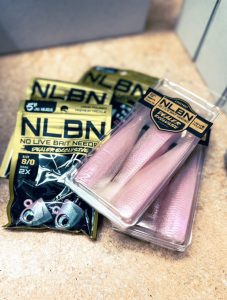
Soft plastic paddle tails and shrimp imitations are the workhorses of inshore Florida fishing. Rigged on a light jighead, a soft plastic can be worked through the water column, bounced along the bottom, or slowly retrieved just under the surface. They’re effective for trout on the flats, redfish in the grass, and snook around structure. Brands like DOA, Z-Man, and Gulp have proven track records in Sarasota Bay.
Topwater lures produce some of the most exciting fishing you’ll experience inshore. Early morning on a calm flat, a walking topwater bait worked slowly over the grass can draw explosive strikes from trout and snook. The visual element of the strike is addictive. When conditions are right, nothing beats it.
Gold spoons are one of the oldest and most reliable redfish baits in existence. A weedless gold spoon wobbled across a shallow flat mimics a fleeing baitfish and triggers instinctive reaction strikes from redfish and trout. They’re also castable in the wind, durable, and inexpensive.
MirrOlures and suspending twitch baits are particularly effective for trout in cooler months when fish are holding in specific depth ranges. A slow, twitching retrieve that keeps the lure in the strike zone longer produces well when fish aren’t actively chasing.
Artificials are the better choice when fish are actively feeding, when you need to cover water to locate schools, when you’re sight-fishing and need precise casts, or when you simply don’t have access to fresh live bait. They require more skill and practice to use effectively, but that investment pays off over time.
When Live Bait Wins
Live bait has a clear edge in these situations:
Fish are inactive due to cold fronts or dramatic temperature drops. Sarasota Bay sees water temperatures dip into the low 60s in winter, and fish slow down considerably. A live shrimp sitting in their face is far easier to eat than a lure requiring a chase.
Visibility is poor. After heavy rain, strong tidal flow, or wind chop, water clarity drops, and fish are relying on scent as much as sight. Live bait produces scent trails that artificials can’t replicate.
You’re targeting sheepshead, flounder, or black drum specifically. These species respond far better to live or cut bait than to most artificial presentations.
Beginners who are still developing their retrieve techniques will consistently catch more fish on live bait while building confidence on the water.
When Artificials Win
Artificials have a clear edge in these situations:
Fish are actively feeding on the surface or chasing bait. When you can see bait getting pushed and birds working, an artificial cast into the action often outperforms live bait because you can keep up with the school.
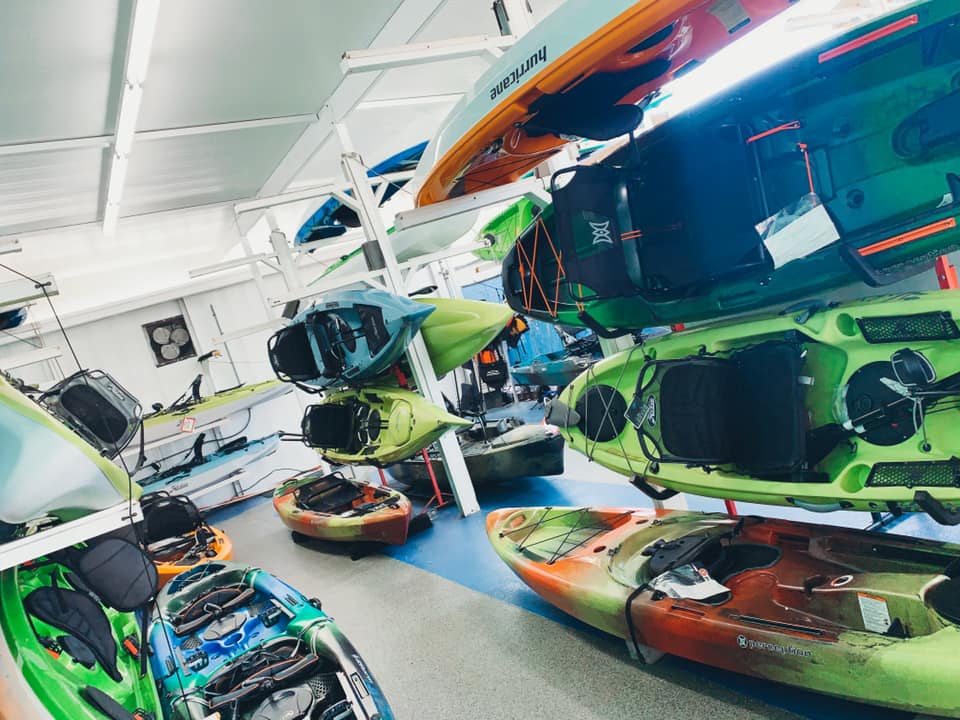
You’re covering a lot of water looking for fish. Kayak anglers working the flats of Sarasota Bay can cover significant ground more efficiently with artificials, stopping to work live bait only once fish are located.
Sight-fishing on shallow, clear flats. A soft plastic or gold spoon dropped 18 inches in front of a tailing redfish is often more effective than fumbling with live bait and potentially spooking the fish.
You need to make repeated casts to the same area without burning through your bait supply.
The Smart Approach: Use Both
The most productive inshore anglers don’t commit exclusively to one or the other. They start with artificials to locate fish and cover water, then switch to live bait when they’ve found where fish are holding or when conditions call for it. Keeping a small supply of live shrimp on the kayak as a backup is almost always worth it.
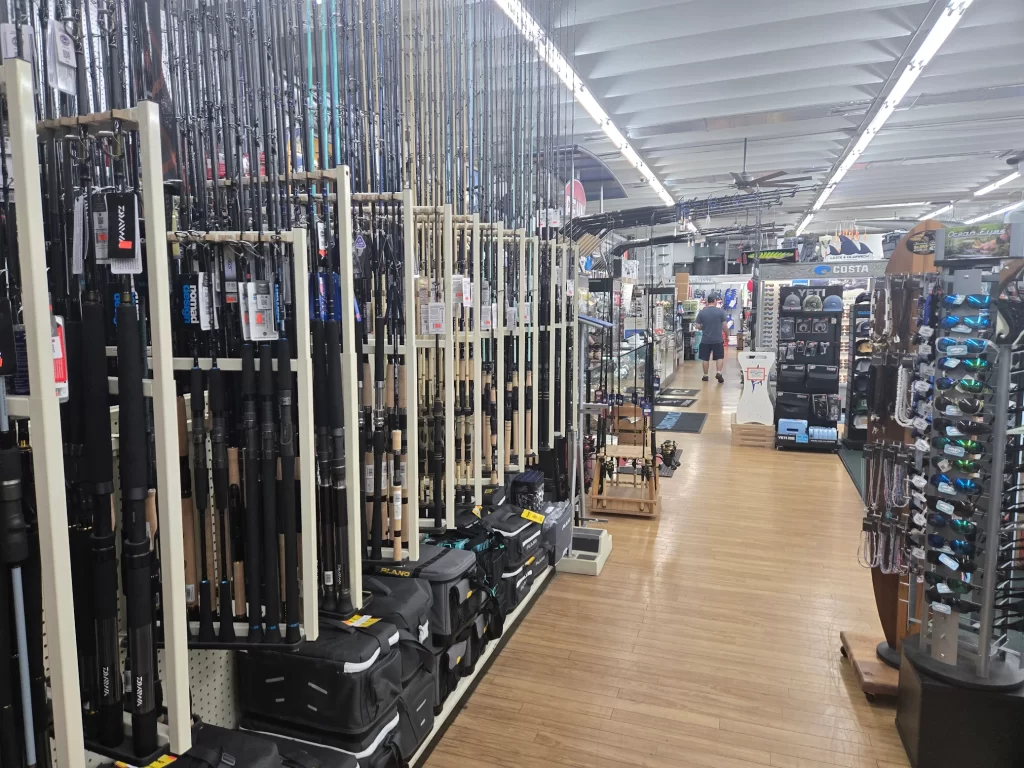
At Economy Tackle, we stock both a full selection of proven inshore lures and fresh live and frozen shrimp daily. Whether you’re heading out with a box of soft plastics or need to load up on shrimp before an early morning tide, stop by, and we’ll make sure you’re set up for the conditions.