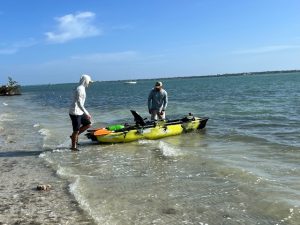
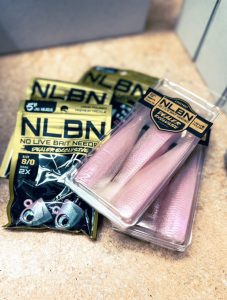
Live Bait Available: Shrimp and Worms

Hobie Mirage Sport – Kayak Spotlight

Hobie Mirage SportOf our favorite takes on the traditional kayak design is the sit-on-top kayak variation. These kayaks are designed for easier exit and entry and feature several additional fun traits that instantly made them popular. Economy Tackle/Dolphin Paddlesports’ favorite take on the sit-on-top kayak variation is the Hobie Mirage Sport. There are several reasons why this sporty fun kayak has stolen our hearts. Let’s start with the essentials.

Hobie Mirage Sport Specifications

Crew: 1

Length: 9’7” / 2.92 m

Width: 29.5” / .75 m

Capacity: 225 lbs. / 102 kg

Fitted Hull Weight: 61 lbs. / 28 kg

Fully Rigged Weight:  78 lbs. / 35 kg

Hobie Mirage Sport Features

Our favorite feature of the Hobie Mirage Sport has to be the MirageDrive. This ability to move through the water using your feet makes the already nimble and fast craft even more versatile. It glides through the water with a stability that is unmatched in the ranks of sit-on-top kayaks. This is important as smaller adults and kids appreciate a little more balance on the water giving them more time to truly appreciate the experience that is kayaking.  The durable polyethylene acts to lighten the load even more with the entirety of the kayak coming in at 61 pounds!

Demo the Hobie Mirage Sport Today

We can talk about the Hobie Mirage Sport until the cows come home but nothing will show you why we have such a passion for it more than trying it out for yourself!  Check out the Economy Tackle/Dolphin Paddlesports calendar for our next demo day or call us at (914) 922-9671 to schedule a demo or click to get more information.

Recent News

Top 6 Kayak Fishing Spots in Sarasota Bay

Sarasota Bay stretches roughly 35 miles along the Gulf Coast of Florida, offering an extraordinary variety of fishing environments within easy paddling distance of public launch points. From the shallow grass flats of the upper bay to the deep mangrove channels of the barrier islands, every section of this estuary holds fish year-round.

We’ve identified the 6 best kayak fishing spots in Sarasota Bay. Each location has been selected based on fish diversity, accessibility, and scenic value. We’ve included GPS coordinates, recommended launch points, target species, and the best tackle to bring.

Related Resource: Complete Guide to Kayak Fishing in Sarasota Bay — techniques, gear & more

A Note on Sarasota Bay Fishing Access

Most of the spots listed below are accessible from public boat ramps or dedicated kayak launches. Florida law requires a valid fishing license for anyone 16 or older fishing in state waters. Always check current regulations for size and bag limits. Sarasota Bay is subject to FWC rules, and some areas have additional protections.

Tides matter enormously when kayak fishing Sarasota Bay. Many of the best flats fish best on a falling tide that concentrates fish in deeper channels, or on a rising tide as fish push up onto the grass to feed. Download a tide chart app and plan your trips around tidal movement.

best paddle shop near bradenton

Spot 1: Phillippi Creek Flats

GPS: 27°16’15.9″N 82°32’03.6″W | Launch: Phillippi Estate Park

The shallow flats at the mouth of Phillippi Creek are one of the most productive and accessible kayak fishing locations in the entire Sarasota Bay system. A short paddle from the public launch at Phillippi Estate Park puts you on grass flats that regularly hold spotted sea trout, redfish, and snook.

  • Best species: Spotted sea trout, redfish, snook
  • Best tides: Outgoing tide concentrates fish at the creek mouth
  • Recommended tackle: Soft plastic paddletails on 1/4 oz jigheads, weedless gold spoons
  • Best times: Early morning, October through May

Spot 2: Sarasota Bay Grass Flats (North End)

GPS: 27.3621° N, 82.5798° W | Launch: Bayfront park on Longboat Key

The expansive grass flats on the northern end of Sarasota Bay are classic inshore fishing territory. On clear-water days, you can sight-fish to tailing redfish and cruising sea trout across vast stretches of turtle grass. This area rewards patient, quiet anglers who pedal or paddle slowly and let the fish come to them.

  • Best species: Redfish, spotted sea trout, flounder
  • Best tides: Incoming tide as fish push onto the flats
  • Recommended tackle: Weedless soft plastics, topwater plugs at dawn
  • Best times: Year-round; summer mornings before wind builds

Spot 3: Lido Key Mangrove Channels

GPS: 27.308771, -82.566274 | Launch: Ted Sperling Park

The backside of Lido Key offers an intricate network of mangrove channels that are tailor-made for kayak fishing. Snook hold tight to the mangrove roots year-round, and the channel edges hold redfish and juvenile tarpon, especially in summer. This area requires a stealth approach, slowly and cast tight to the root structure.

  • Best species: Snook, redfish, juvenile tarpon (summer)
  • Best tides: Rising tide as fish move into the mangroves
  • Recommended tackle: DOA Shrimp, live bait under a popping cork
  • Best times: Year-round; best for snook, May through October

Spot 4: Roberts Bay

GPS: 27.290228, -82.547076 

Roberts Bay, located at the southern end of Sarasota Bay, is a productive and often overlooked destination for kayak anglers. The bay’s shallower, more protected waters are excellent for beginners, while the grass flat edges and oyster bars offer serious fishing opportunities. Flounder is a specialty here in the fall and winter.

  • Best species: Flounder, redfish, sheepshead, trout
  • Best tides: Outgoing tide along oyster bar edges
  • Recommended tackle: Live shrimp, gulp shrimp on jigheads
  • Best times: October through March for flounder

Spot 5: New Pass

GPS: 27.335592, -82.579340 | Launch: Ken Thompson Park

New Pass connects Sarasota Bay to the Gulf of Mexico, creating a productive current-driven environment that attracts a wide variety of species. The structure around the pass, bridge pilings, rock jetties, and deep channels holds snook, tarpon, jack crevalle, and Spanish mackerel. This is one of Sarasota’s most exciting kayak fishing spots.

  • Best species: Snook, tarpon, Spanish mackerel, jack crevalle
  • Best tides: Strong tidal flow is key; fish the movement
  • Recommended tackle: Live bait, swimbaits, topwater lures
  • Best times: May through October for snook and tarpon

Note: Boat traffic in and around New Pass can be heavy. Kayak anglers should stay alert and wear their PFD at all times in this area.

Spot 6: Midnight Pass — Jim Neville Marine Preserve

GPS: 27.2092177°N, -82.511764°W | Launch: Turtle Beach Park

Midnight Pass, recently reopened after being closed for decades, has quickly become one of the most exciting kayak fishing destinations in the Sarasota area. The restored tidal flow has dramatically improved water clarity and oxygen levels throughout this section of Little Sarasota Bay, and the fishing has responded in kind. The Jim Neville Marine Preserve, accessed from Turtle Beach Park on the south end of Siesta Key, protects a stretch of pristine grass flats and mangrove shoreline that sits right in the shadow of the pass. Crystal-clear water makes sight-fishing to redfish and trout here as good as anywhere in the bay system. The renewed tidal exchange through Midnight Pass pulls bait and predators through the area on every tide cycle, creating consistent action that improves year by year as the ecosystem continues to recover. Paddle south from Turtle Beach into the preserve and work the grass flats in 1–3 feet of water for tailing reds, or fish the mangrove edges near the pass itself for snook stacked up in current.

  • Best species: Redfish (sight fishing), snook, spotted sea trout, flounder
  • Best tides: Incoming and outgoing are both productive; outgoing concentrates fish near the pass
  • Recommended tackle: Gold spoon or D.O.A. shrimp for flats reds; live shrimp or pilchards near the pass for snook
  • Best times: Year-round; fall and spring are peak for flats fishing; summer evenings near the pass for snook

Planning Your Trip: What to Bring

For any of these locations, pack the following essentials:

  • Fishing license (available at Economy Tackle or online at myfwc.com)
  • PFD (personal flotation device) — required by Florida law
  • Sunscreen, hat, and sun-protective clothing
  • Plenty of water — minimum 32 oz per hour in summer heat
  • Tide chart and weather forecast
  • Marine VHF radio or fully charged cell phone
  • Anchor with at least 30 feet of line

Related Resource: The ultimate guide to kayak fishing in Sarasota Bay — gear, techniques & safety

Live Bait vs. Artificial Lures for Inshore Florida Fishing: When to Use Each

Ask ten anglers whether they prefer live bait or artificial lures, and you’ll get ten different answers, usually delivered with strong opinions. The truth is that both have a place in your arsenal, and knowing when to reach for each one is what separates a productive day on the water from a slow one.

If you’re fishing Sarasota Bay and the surrounding inshore waters of Southwest Florida, here’s what experience actually teaches you about this debate.

The Case for Live Bait

Live bait works because it’s real. The scent, the movement, the vibration in the water — fish have been eating these things their entire lives. On tough days when the fish are pressured, lethargic from temperature swings, or simply not in a chasing mood, live bait often gets bites that artificials can’t buy.

Shrimp is the universal inshore bait in Florida. Snook, redfish, trout, flounder, sheepshead, snapper — virtually everything that swims inshore will eat a live shrimp. Fished under a popping cork, free-lined on a light jighead, or drifted along the bottom, shrimp is a go-to choice for beginners and experienced anglers alike. It’s also widely available at Economy Tackle and bait shops throughout the Sarasota area.

Pinfish and grunt are the preferred live bait for targeting larger snook and redfish. Hook a lively pinfish near a mangrove edge or under a dock light at night, and you’re presenting exactly what big snook are already hunting. Pinfish are easy to catch on a small hook and a piece of shrimp, and a live well full of them is serious ammunition.

Mullet in various sizes covers a wide range of situations. Finger mullet are excellent for redfish on the flats and snook along shorelines. Larger cut mullet fished on the bottom is one of the most effective redfish and black drum baits on the market, especially in passes and deeper structure.

Live bait shines when fish are inactive, water temperatures are extreme (very cold or very hot), visibility is low, or you’re targeting a specific large fish that’s been finicky. It also tends to produce faster results for beginners who are still learning to work with artificials effectively.

The downsides are real, though. Live bait requires a live well or aerated bucket, burns through your supply quickly if fish aren’t cooperating, and limits how much water you can cover. You’re committed to fishing an area rather than searching for fish.

No Live Bait Needed

The Case for Artificial Lures

Artificials let you fish faster, cover more water, and target specific behaviors and depths with precision. A good angler with the right lure can consistently match or outfish live bait under the right conditions.

Soft plastic paddle tails and shrimp imitations are the workhorses of inshore Florida fishing. Rigged on a light jighead, a soft plastic can be worked through the water column, bounced along the bottom, or slowly retrieved just under the surface. They’re effective for trout on the flats, redfish in the grass, and snook around structure. Brands like DOA, Z-Man, and Gulp have proven track records in Sarasota Bay.

Topwater lures produce some of the most exciting fishing you’ll experience inshore. Early morning on a calm flat, a walking topwater bait worked slowly over the grass can draw explosive strikes from trout and snook. The visual element of the strike is addictive. When conditions are right, nothing beats it.

Gold spoons are one of the oldest and most reliable redfish baits in existence. A weedless gold spoon wobbled across a shallow flat mimics a fleeing baitfish and triggers instinctive reaction strikes from redfish and trout. They’re also castable in the wind, durable, and inexpensive.

MirrOlures and suspending twitch baits are particularly effective for trout in cooler months when fish are holding in specific depth ranges. A slow, twitching retrieve that keeps the lure in the strike zone longer produces well when fish aren’t actively chasing.

Artificials are the better choice when fish are actively feeding, when you need to cover water to locate schools, when you’re sight-fishing and need precise casts, or when you simply don’t have access to fresh live bait. They require more skill and practice to use effectively, but that investment pays off over time.

When Live Bait Wins

Live bait has a clear edge in these situations:

Fish are inactive due to cold fronts or dramatic temperature drops. Sarasota Bay sees water temperatures dip into the low 60s in winter, and fish slow down considerably. A live shrimp sitting in their face is far easier to eat than a lure requiring a chase.

Visibility is poor. After heavy rain, strong tidal flow, or wind chop, water clarity drops, and fish are relying on scent as much as sight. Live bait produces scent trails that artificials can’t replicate.

You’re targeting sheepshead, flounder, or black drum specifically. These species respond far better to live or cut bait than to most artificial presentations.

Beginners who are still developing their retrieve techniques will consistently catch more fish on live bait while building confidence on the water.

When Artificials Win

Artificials have a clear edge in these situations:

Fish are actively feeding on the surface or chasing bait. When you can see bait getting pushed and birds working, an artificial cast into the action often outperforms live bait because you can keep up with the school.

You’re covering a lot of water looking for fish. Kayak anglers working the flats of Sarasota Bay can cover significant ground more efficiently with artificials, stopping to work live bait only once fish are located.

Sight-fishing on shallow, clear flats. A soft plastic or gold spoon dropped 18 inches in front of a tailing redfish is often more effective than fumbling with live bait and potentially spooking the fish.

You need to make repeated casts to the same area without burning through your bait supply.

The Smart Approach: Use Both

The most productive inshore anglers don’t commit exclusively to one or the other. They start with artificials to locate fish and cover water, then switch to live bait when they’ve found where fish are holding or when conditions call for it. Keeping a small supply of live shrimp on the kayak as a backup is almost always worth it.

At Economy Tackle, we stock both a full selection of proven inshore lures and fresh live and frozen shrimp daily. Whether you’re heading out with a box of soft plastics or need to load up on shrimp before an early morning tide, stop by, and we’ll make sure you’re set up for the conditions.

Fishing Florida’s Tarpon Season from a Kayak: What You Need to Know

There are fish, and then there are tarpon. Few inshore species command the same respect, obsession, and outright awe as the Silver King. Hooking one from a kayak puts you in a category of angling that very few anglers ever experience, and Southwest Florida is one of the best places in the world to do it.

If you’ve been thinking about targeting tarpon from your kayak this season, here’s what you need to know before you head out.

When Tarpon Arrive in Southwest Florida

Tarpon begin showing up along Florida’s Gulf Coast in earnest starting in April. By May, the migration is in full swing, and June and July represent the peak of tarpon season in the Sarasota and Charlotte Harbor region. Fish push through the passes, stack up along beaches, and work their way into bays and backwater areas following bait pods and favorable water temperatures.

Water temperature is the key driver. Once Gulf waters consistently hit the low to mid 70s, tarpon become increasingly active and catchable. By late spring, fish are rolling on the surface, daisy-chaining in passes, and showing themselves in numbers that can genuinely take your breath away.

The season winds down through August as many fish continue their migration south or push offshore, though resident fish and late-season stragglers keep things interesting well into fall in some years.
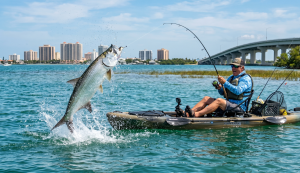
fishing for tarpon in sarasota on kayak

Best Areas Near Sarasota for Kayak Tarpon Encounters

You don’t need to travel far. Some of the most productive tarpon waters in Florida are right in the Sarasota area.

Longboat Pass and New Pass are the top producers during the migration. Tarpon stack in these cuts as they move between the Gulf and the bay, and a kayak angler positioned on the edges of the current can intercept fish that boat traffic pushes away from the channel center. Early morning, before boat traffic picks up, is prime time.

Big Pass near Siesta Key is another reliable corridor. The bridge pilings and channel edges hold fish and give kayak anglers natural structure to work around.

Sarasota Bay itself sees tarpon working through during the migration, particularly along the deeper grass flat edges and near the ICW. Sight-fishing opportunities on calm mornings can be exceptional when fish are rolling.

The beaches along Lido Key and Longboat Key hold migrating tarpon tracking just outside the first sandbar during May and June. Kayak anglers who launch from public beach access points and work parallel to the shore can find fish that are almost within casting distance of the sand.

The Tackle You Need

This is not the time for your trout rod. Tarpon are large, powerful, and will destroy underpowered gear. Rigging correctly before you launch is non-negotiable.

For spinning gear, a quality 7’6″ to 8′ heavy rod paired with a 6000 to 8000 class reel is the standard starting point. Spool with 50 to 65 lb braided line. Braid gives you the sensitivity to feel what’s happening and the strength to apply serious pressure during a fight.

For baitcasting setups, a heavy flipping or casting rod in the 7′ to 7’6″ range with a high-capacity reel spooled with 65 lb braid is a strong choice. Baitcasters allow for precise placement when sight-casting to rolling fish.

Leader selection is critical. Tarpon have abrasive mouths and gill plates that will cut through light fluorocarbon in seconds. Use 60-80 lbs fluorocarbon leader, typically 4 to 6 feet in length, attached to the braid with a quality knot. A circle hook in the 6/0 to 10/0 range is the right terminal choice for most live bait presentations.

Live Bait vs. Lures: Which Approach to Take

Both work, and the right choice depends on conditions and how the fish are behaving on a given day.

Live bait is the most consistent producer for kayak tarpon fishing in the Sarasota area. Live crabs, particularly blue crabs and pass crabs, are considered among the top tarpon baits in Florida. Large live mullet, threadfin herring, and pinfish are also excellent options. Free-lining live bait in a pass on an incoming tide with fish actively moving through is as productive as it gets.

Artificial lures shine when fish are in a chasing mood or when you’re targeting rolling fish on open flats and beaches. Large swimbaits, tarpon-specific snook plugs, and streamer-style lures in the 6 to 8 inch range can draw aggressive strikes. Working a large paddle tail or a surface plug past a daisy chain of rolling tarpon is a sight you won’t forget, regardless of whether they eat.

Presentations need to lead the fish. Cast well ahead of the direction they’re moving and bring the bait across their path. A tarpon that has to turn to chase a bait is far more likely to commit than one that sees the lure coming straight at it.

Fighting and Releasing Tarpon from a Kayak

This is where things get real. A 100 lb tarpon on the end of your line and a 12-foot kayak under you is a combination that demands respect and preparation.

When the fish jumps, bow to the king. Drop your rod tip toward the fish during jumps to create slack and reduce the chance of a thrown hook or a broken rod from the impact. Tarpon jump repeatedly and violently, and keeping tension through every leap is how gear gets destroyed.

Be prepared to be moved. Tarpon will pull a kayak significant distances and in directions you don’t choose. Know your surroundings before you hook up. Avoid fishing near heavy boat traffic, bridge pilings, or areas with strong crossing currents that could put you in a dangerous position.

Keep the fight as short as possible. Tarpon are powerful, but they tire, and a fish that’s been fought to exhaustion takes longer to recover and faces a higher risk of post-release mortality. Apply steady, confident pressure throughout the fight. Don’t let the fish sit still and recover mid-fight.

For the release, keep the tarpon in the water at all times if possible. If you need to touch the fish, support it horizontally and never hold a tarpon vertically by the lower jaw, as this can damage internal organs. Hold the fish upright in the water, pointing into any available current, until it kicks free on its own.

One important note on Florida regulations: Tarpon are a catch-and-release-only species, and no harvest is permitted. Tarpon over 40 inches must remain in the water at all times when caught, per FWC guidelines. Only hook-and-line fishing is allowed; snagging, snatch hooking, and spearing of tarpon are prohibited.

Anglers pursuing a Florida state or world record may purchase a tarpon tag through the Florida Fish and Wildlife Conservation Commission for $50, with a limit of one tag per person, per year.

Please note that fishing regulations can change frequently, sometimes daily, weekly, or seasonally, and vary by location based on factors such as water conditions, fish populations, and conservation needs. Always verify current rules with the FWC before heading out.

Safety Considerations

Tarpon fishing from a kayak is exhilarating. It’s also the kind of fishing that requires you to think ahead.

File a float plan with someone on shore before heading out to passes or beaches. Know the tide schedule and how it affects current strength in the passes you’re fishing. Wear your PFD. This is non-negotiable when targeting large fish that can put you in unpredictable situations quickly.

Carry a line cutter or knife accessible without digging through gear. If a fish wraps you in your own line or runs under the kayak, you need to be able to cut free immediately. Keep your hooks attended and never leave a rigged rod where it could contact your body during a sudden run.

The experience of fighting a tarpon from a kayak is unlike anything else inshore fishing offers. It requires preparation, the right gear, and sound judgment on the water. Get those things right, and you’ll have stories worth telling for a long time.

Stop by Economy Tackle before tarpon season heats up. We carry the tackle, leader material, live bait, and local knowledge to get you ready. Visit us at floridakayak.com or come see us in Sarasota.

Economy Tackle Is Hosting the 2026 Paddling Film Festival on Earth Day

Some nights remind you why you got into paddling in the first place. April 22nd is one of those nights.

Economy Tackle is proud to host the 2026 Paddling Film Festival at Burns Court Cinema in Sarasota, bringing one of the paddling world’s most celebrated annual events right to our backyard. Whether you’re a seasoned kayak angler, a weekend paddler, or someone who’s been thinking about getting on the water, this is an evening worth clearing your calendar for.

Paddling Film Festival 2026
 

What Is the Paddling Film Festival?

Now in its 21st year, the Paddling Film Festival is an internationally recognized showcase of the best paddling films from around the world. The annual World Tour kicks off each January at the Toronto International Boat Show and travels to venues across the globe, putting the sport’s most breathtaking footage in front of audiences who live and breathe time on the water.

The films span the full range of paddling culture: whitewater kayaking, sea kayaking, SUP, canoe expeditions, fishing from human-powered craft, and everything in between. The common thread is a love of wild places, moving water, and the particular kind of freedom that only comes from a paddle in your hands.

You can get a preview of this year’s lineup at the official Paddling Film Festival trailer and learn more at paddlingfilmfestival.com.

Event Details

Date: Wednesday, April 22nd, 2026 (Earth Day)

Doors Open: 5:30 PM

Show Begins: 6:00 PM

Location: Burns Court Cinema, 506 Burns Court, Sarasota, FL 34236

Tickets are available online and in-store at Economy Tackle.

Why Earth Day

Hosting this event on Earth Day is fitting in a way that goes beyond coincidence. Paddlers are among the most connected people to the natural environments they move through. The rivers, bays, flats, and coastlines that make Southwest Florida one of the great paddling destinations in the country are worth protecting, celebrating, and experiencing firsthand. This night does all three.

Sarasota Bay and the surrounding waters have been central to Economy Tackle’s identity for decades. We’ve watched countless customers walk in unsure about kayak fishing, get outfitted, and come back with stories they couldn’t stop telling. That’s the paddling lifestyle in action, and the Paddling Film Festival captures exactly that spirit on screen.

This Year’s Lineup

Here’s a look at the films on the program for our screening. Click any title to watch the trailer.

1000 Miles to Tuk

A paddling journey of a thousand miles through Canada’s remote north, tracking the Mackenzie River system to the Arctic Ocean. Big landscapes, bigger commitment.

How to Self Rescue on a Paddleboard

An essential film for anyone on a board. Practical, empowering, and a reminder that knowing what to do when things go sideways is part of being a confident paddler.

Patso

A character-driven paddling story with heart. Watch the trailer to get a feel for what this one brings to the night.

A Little Bit Different

A film about finding your own path on the water. Expect something that challenges what you thought paddling could look like.

Riverbound. The Story Has Just Begun

A river paddling story built around the idea that every expedition opens a door to the next one. Moving, wide-open, and hard to shake.

Gabon Uncharted

An expedition into the wild waterways of Gabon, West Africa — one of the last truly uncharted paddling frontiers on the planet. Stunning and genuinely adventurous.

Six films. One night. Grab your tickets here before they sell out.

What to Expect on the Night

Burns Court Cinema is one of Sarasota’s most beloved independent theaters, and it’s the right setting for this kind of event. Doors open at 5:30, giving you time to get settled, connect with other local paddlers, and soak in the atmosphere before the films begin at 6:00.

The lineup is curated to inspire. You’ll watch athletes push into remote river canyons, sea kayakers cross open water stretches that most people would never attempt, and everyday paddlers find something extraordinary in the places closest to home. The filmmaking quality is exceptional, and the effect on an audience of people who love being on the water is hard to describe until you’ve experienced it.

Expect to leave wanting to paddle something. That’s kind of the whole point.

Come See Us Before You Go

If the films do what they tend to do and leave you fired up to get on the water, Economy Tackle is ready for you. We carry a full selection of fishing kayaks, paddle kayaks, and everything needed to get outfitted for Sarasota Bay and beyond. Our staff knows the local water and can point you toward the right gear, the right launch spots, and the right setup for wherever the films inspire you to go.

Tickets for the Paddling Film Festival are available online and in-store. Grab yours early, bring a friend who’s been on the fence about paddling, and join us for a night of adventure at Burns Court Cinema.

We’ll see you there. Then we’ll see you on the water.

Buy tickets online or in-store at Economy Tackle. Visit floridakayak.com for more information.


Fishing Report- Friday March 20, 2026

Spring is here! With hopes of this being the last cold front of the season, things sure are heating up out there! We’ve had a few reports of bait showing up in the bay, once the temps rise a few more degrees it should start to come in nicely. With high winds preventing people from getting too far offshore, some have still been able to capitalize on some nice red grouper and mangrove snappers in about 100′ of water. Pleanty of cobia showing up and theyre at scattered depths. A few hogfish were mentioned this week off of Anna Maria Island in about 40′. Some mackerel have been reported off of the beach and in the bay and the pompano have been nonstop all week! Some smaller permit mixed in with them. Black drum are being reported off of turtle beach as well. Inshore redfish and trout and very consistent the past couple weeks and plenty of snook starting to cruise the flats! Things will only get better in the upcoming weeks. There have even been a few small schools of tarpon reported out off the beach. It wont be long!!

***UPCOMING EVENTS***

TARPON FISHING SEMINAR!

THURSDAY APRIL 23RD W/ CAPT AJ GRANDE 5:30PM

NO RESERVATION NEEDED

Tight Lines!!

2026 PADDLE N’ GO SPRING KAYAK SALE, DEMO AND SEMINAR!!

Our annual spring kayak sale and demo day is here! Plus we will host another kayak fishing seminar with local legend, Chris Lender.

Demo Day:

Our free demo day will be hosted at Ken Thompson Park on lido key, Saturday March 21st @ 9a to Noon. 

Come try before you buy. We will host a variety of kayaks from pedal to paddle driven, sit-in to sit-on top.

We host the largest selection of kayaks in Sarasota Florida, from:

Hobie, Hurricane, Eddyline, Perception, Wilderness System and Pelican. 

This paddling event is for all levels of experience. We have knowledgeable team of staff, as well as some of our company brand reps to assist and answer any and all of your questions.

**Sale exlcudes Hobie products, trailers and electronics.


Kayak Fishing Seminar

Join local legend and Hobie Pro Staff memeber Chris Lender as he discusses the pro’s and con’s of kayaking fishing our salty bay waters.

Chris is a

  • Florida Redfish Series Champion
  • Florida Redfish Series Ambassador
  • 3rd Place WINNER of the Hobie Saltwater Series Tournament of Champion

The seminar will be held at 6018 S Tamiami Trl, Sarasota, FL in our kayak shop and display area Sunday March 22nd @ 11am.

Lender offers insights to using the Hobie Pro Angler 360, shares his favorite rods and reels, and gives tips on what lures to use in our waters.

This is an event not to miss. No registration needed. Come as you are and enjoy this very popular kayak fishing seminar.


Hope to see you there! Tight lines and happy paddling.