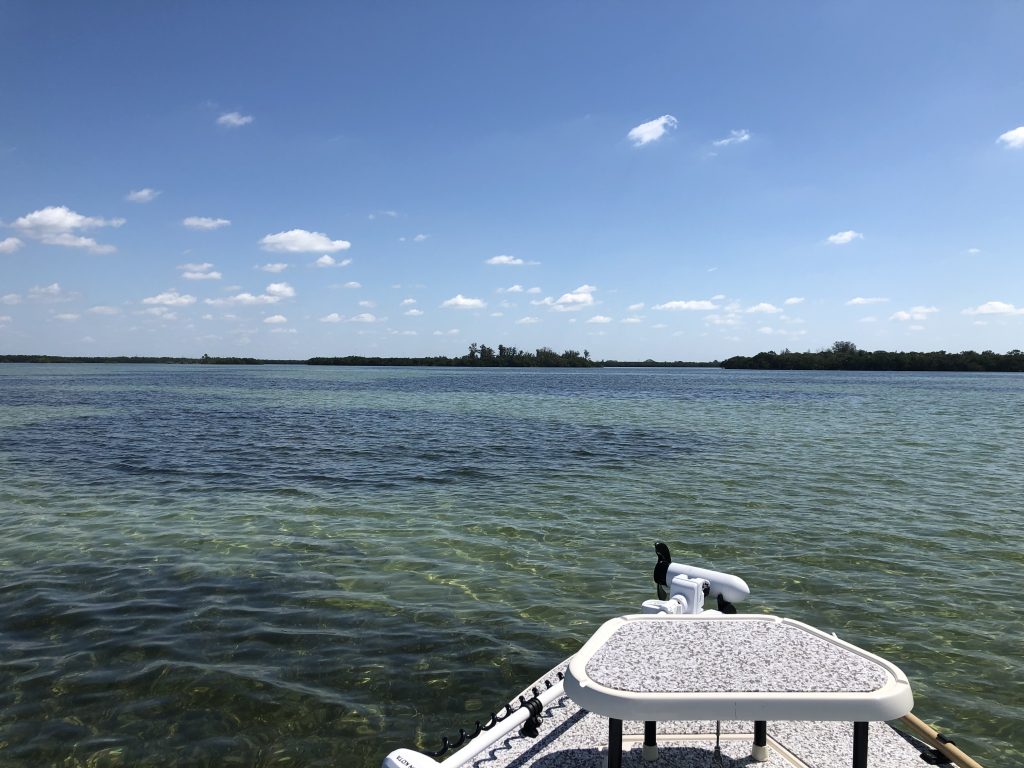
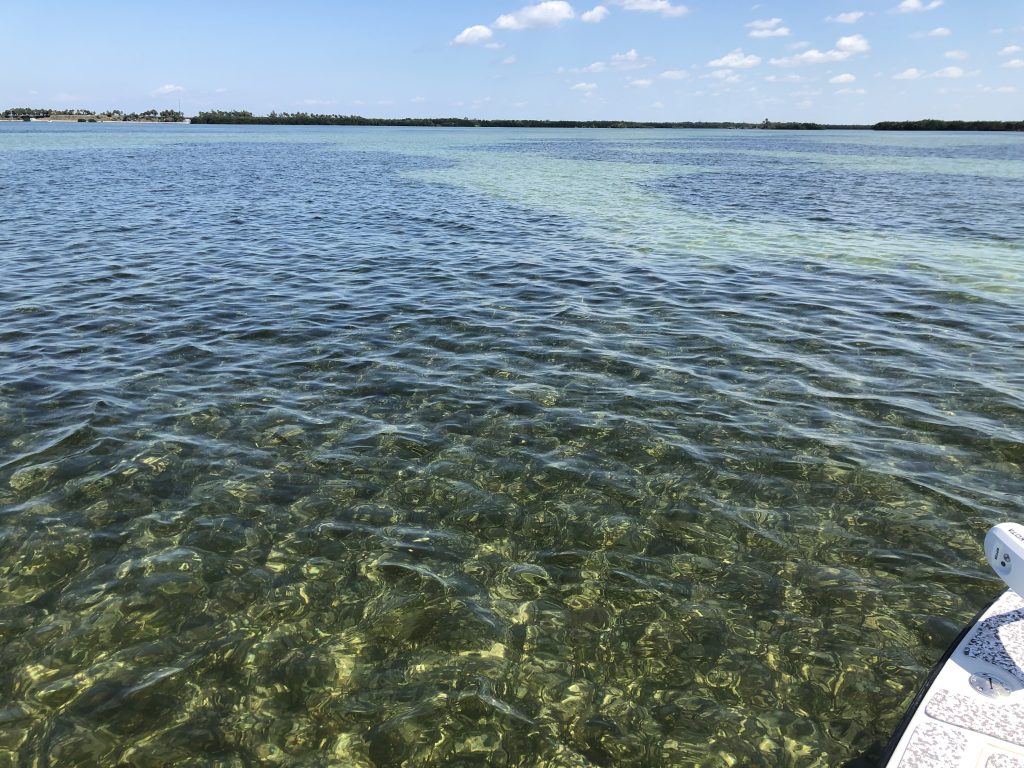
Paddling Sarasota’s waterways is one of the best ways to experience Florida’s coastline, but it comes with real risks that too many paddlers underestimate. Paddling Magazine has published several reports analyzing kayak and paddle board accidents across the country, and a troubling pattern shows up again and again: paddlers who weren’t wearing a personal flotation device, or PFD, are dramatically overrepresented in serious incidents and fatalities.
At Economy Tackle, located at 6018 S Tamiami Trl, Sarasota, FL, we believe safety gear isn’t optional, it’s essential. This guide covers what the data shows about PFD use, the safety equipment every paddler should carry, and how you can get involved in protecting the very waters you paddle through our upcoming seminar with the Sarasota Bay Estuary Program.
What Paddling Magazine’s Accident Reports Reveal About PFD Use
Paddling Magazine has tracked kayaking and paddle board accidents for years, and the data consistently points to one factor above all others: whether or not the paddler was wearing a PFD at the time of the incident.
This isn’t a minor statistical footnote. It’s a clear signal that the single most effective piece of safety gear you can wear while paddling is also one of the most commonly skipped, often for reasons that feel reasonable in the moment but leave paddlers dangerously exposed when conditions change unexpectedly.
The Scary Statistics: Accidents Without a PFD
According to the U.S. Coast Guard’s Recreational Boating Statistics report, the vast majority of boating drowning victims were not wearing a PFD, and an estimated 70% of canoe and kayak fatalities could have been prevented had the paddler been wearing one. Conditions on the water can shift in seconds. A sudden gust of wind, an unexpected wake from a passing boat, or simple fatigue can capsize even an experienced paddler.
Without a PFD, what would otherwise be a minor inconvenience, a quick swim back to your kayak, can quickly turn into a life-threatening situation, especially if you’re disoriented, injured, or caught in the current.
Sources:
Common Myths About Wearing a Life Jacket While Paddling
Despite the clear safety benefits, many paddlers skip their PFD due to a few persistent myths:
- “I’m a strong swimmer, so I don’t need one.” Swimming ability doesn’t account for heat exhaustion, injury, disorientation, or being trapped under a capsized kayak — a real risk here in Florida’s warm water and sun.
- “PFDs are bulky and uncomfortable.” Modern paddling-specific PFDs are lightweight, low-profile, and designed for a full range of paddling motion.
- “I’m only going a short distance.” Most paddling accidents happen close to shore, not during long-distance crossings.
- “The water is calm right now.” Conditions on Sarasota Bay can shift quickly, especially with Florida’s fast-moving afternoon storms.
Wearing a properly fitted PFD every time you’re on the water, regardless of experience level or trip length, is the single most effective habit any paddler can build.
Must-Have Safety Gear from Economy Tackle
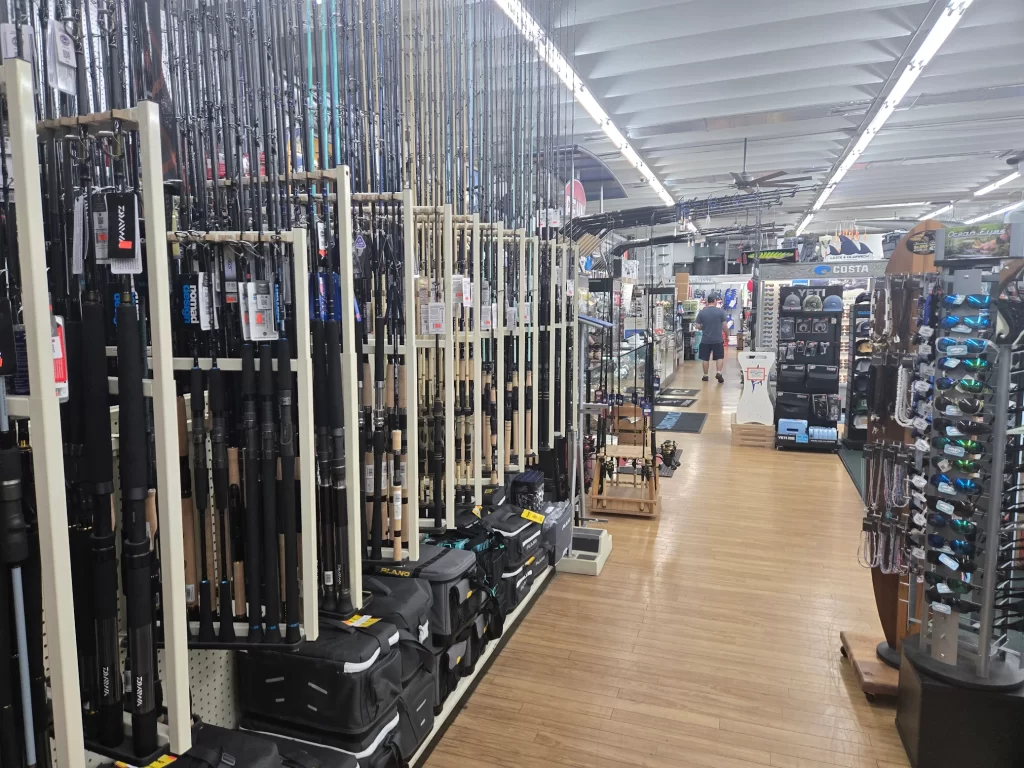
A PFD is essential, but it’s not the only piece of gear that keeps paddlers safe on the water. At Economy Tackle, we stock a full range of safety equipment designed specifically for kayakers and paddle boarders, including our full selection of PFDs.
YakAttack VISIPole: Stay Seen, Stay Safe
One of the most overlooked safety risks for kayakers is visibility, especially in areas with boat traffic like Sarasota Bay and the Intracoastal Waterway. Kayaks and paddle boards sit low in the water, making them difficult for boaters to spot, particularly in low light, fog, or choppy conditions.
The YakAttack VISIPole solves this problem by significantly increasing your visual profile on the water. It’s a simple, affordable upgrade that helps ensure passing boats see you well before they’re close enough to pose a danger, giving both you and other boaters more time to react.
First Aid Kits, Whistles & Anchors Every Paddler Needs
Beyond flotation and visibility, a few additional items belong in every paddler’s kit:
- First aid kits designed for marine use help you handle minor cuts, scrapes, and stings without cutting your trip short.
- Whistles provide a loud, audible signal that’s required safety equipment in many states and can be critical for attracting attention in an emergency.
- Anchors allow you to hold position safely in wind or current without drifting into boat traffic, shallow reefs, or other hazards.
Economy Tackle carries all of this gear, and our staff can help you put together a complete safety kit based on where and how you plan to paddle.
Where to Rent Safe: Kayak Rentals Near Me and Paddle Board Rentals Near Me
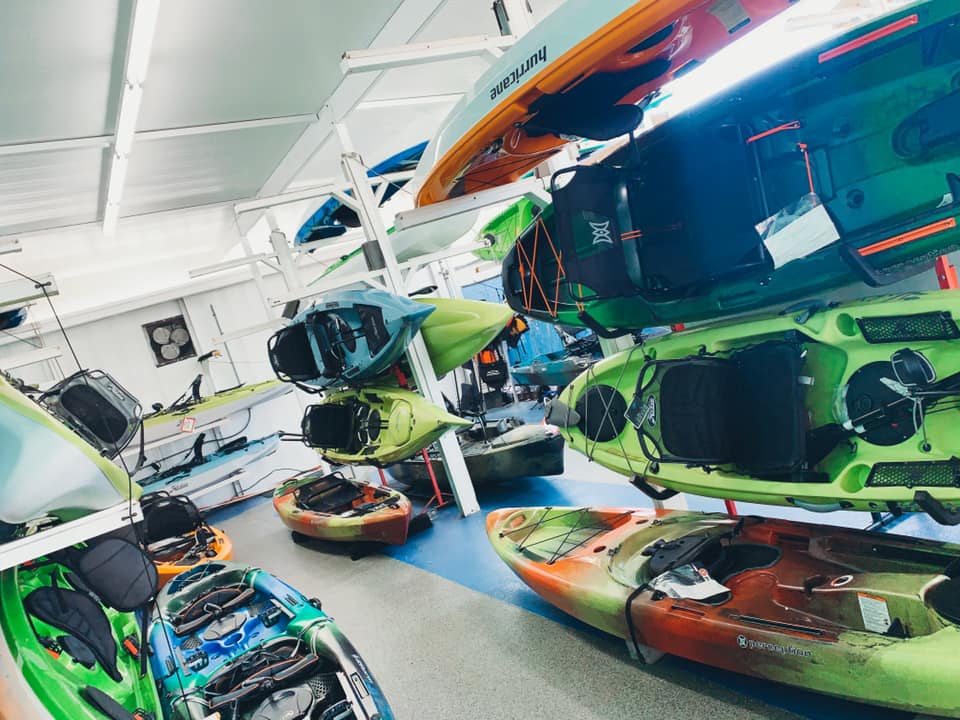
If you’re searching for kayak rentals near me or paddle board rentals near me, safety should be part of the equation, not just price or availability. Every rental at Economy Tackle includes required safety gear, including a properly fitted PFD, and our staff walks you through how to use it correctly before you head out.
We also stock everything boat owners need to upgrade their own safety equipment, from PFDs and whistles to the YakAttack VISIPole and marine-rated first aid kits, whether you’re renting for an afternoon or outfitting your own kayak for regular use.
A Quick Pre-Paddle Safety Checklist
Before you launch, run through this simple checklist:
- Wear your PFD. Don’t just bring it, wear it the entire trip.
- Check the weather. Look at wind speed, direction, and storm forecasts before heading out. Apps like WeatherBug, MyRadar, and WindAlert are helpful for tracking fast-moving Florida storms in real time.
- Bring a whistle. Attach it directly to your PFD so it’s always accessible.
- Improve visibility. Consider a VISIPole, especially in high-traffic waterways.
- Pack a first aid kit. Keep it in a dry, accessible location on your kayak or board.
- Bring your phone. Pack it in a waterproof bag, such as the Gecko waterproof photo tote or an NRS Tuff Sack, so you can call for help if needed.
- Tell someone your plan. Let a friend or family member know your route and expected return time.
Join Us for a Seminar with the Sarasota Bay Estuary Program
Safety on the water goes hand in hand with the health of the water itself, and that’s why Economy Tackle is proud to partner with the Sarasota Bay Estuary Program for an upcoming seminar focused on the health of Sarasota Bay.
The Sarasota Bay Estuary Program works within communities, stakeholders, and municipalities to restore and keep our local bays healthy. This seminar covers the overall health of the bay, from water quality to seagrass monitoring, and how to be a good steward around the bay in your own backyard. We’ll also discuss current restoration efforts, future plans to keep the bay happy and healthy, and what you can do to help.
When: Thursday, August 13, 5:00 – 6:00 PM Where: Economy Tackle, 6018 S Tamiami Trl, Sarasota, FL
Our Responsibility as Paddlers to Protect Clean Water
Every time we launch a kayak or paddle board into Sarasota Bay, we benefit from an ecosystem that took decades of careful management to protect. That privilege comes with responsibility. Simple habits, like avoiding anchoring in seagrass beds, packing out all trash, giving wildlife space, and choosing reef-safe sunscreen, go a long way toward keeping these waters healthy for future paddlers.
Programs like the Sarasota Bay Estuary Program rely on community involvement to continue their monitoring and restoration work, and our upcoming seminar is a great opportunity to learn more about the bay you explore regularly.
Get Outfitted and Get Involved
Paddling should be relaxing, not risky, and it should also leave the water healthier than you found it. By taking safety gear seriously, starting with a properly worn PFD, and staying informed about the health of Sarasota Bay, you can enjoy the water responsibly for years to come.
Stop by Economy Tackle to shop our full line of paddling safety gear, ask about our upcoming Sarasota Bay Estuary Program seminar, or get set up with a kayak or paddle board rental for your next trip.
Economy Tackle 6018 S Tamiami Trl, Sarasota, FL 941-922-9671
Stay safe, stay visible, and stay involved, your gear and your habits on the water both make a difference.