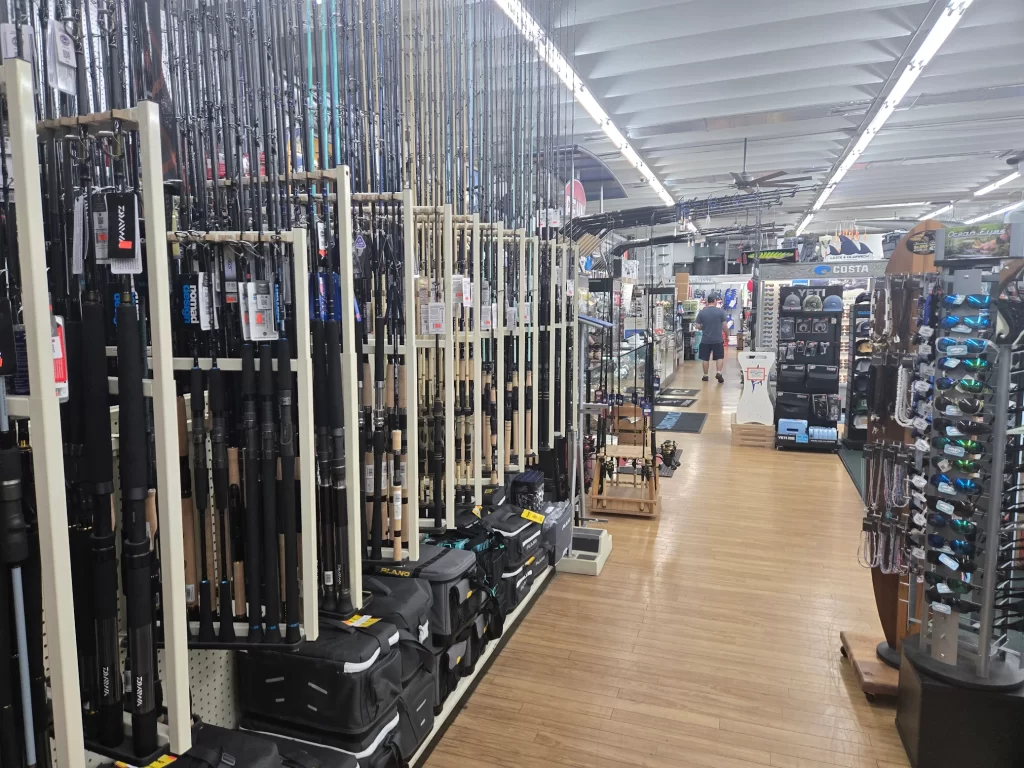
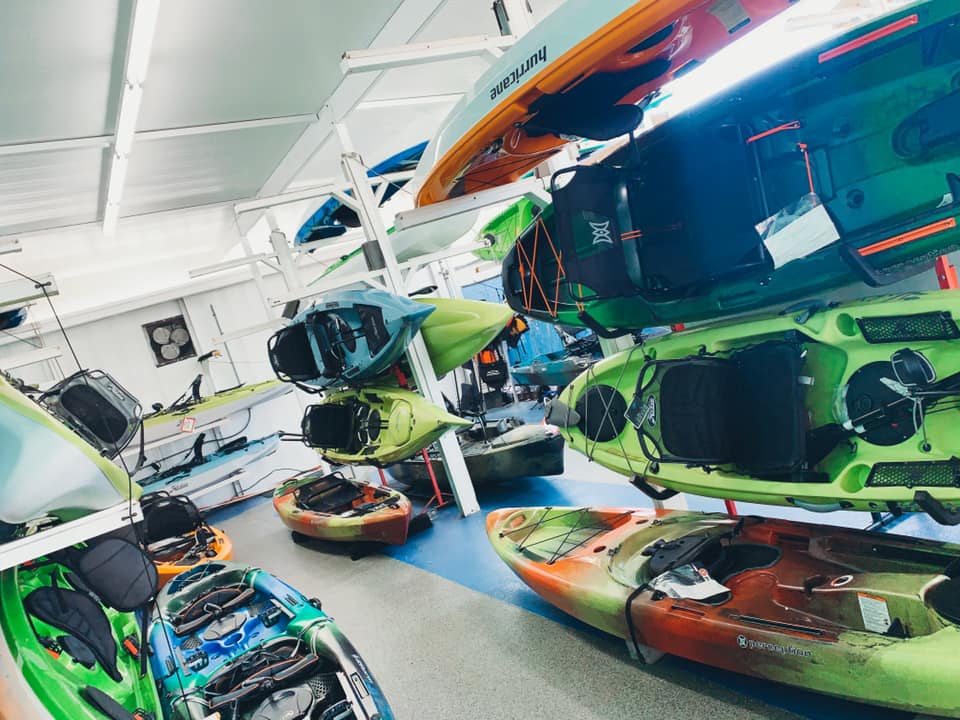
Live Bait Available: Shrimp and Worms

Fishing Report!! Friday December, 29th 2023

Well, it has been a minute!! First off.. a very Merry Christmas and Happy New Year to everyone. Fishing has been phenomenal this past month in between the windy/weather days. Offshore action right now is looking great with wahoo out past 50mi. Amberjacks on the nearshore ledges along with a fantastic hogfish showing. We have XL mangrove snappers reported from as far north as Anna Maria Island all the way down to Ft Myers. There are plenty of cobia still around in scattered depths at the moment. The tripletail reports have been flowing in directly following that blow this past week and Ive been seeing some larger models showing in the 24-26″ range. Pompano bite is super hot this week with some smaller permit mixed in as well. Most of those pompano reports are coming from the passes and beach with a few scattered in the bay. Lots of redfish still around in the bay!! Shallow soft plastics have been the ticket for reds preferably in a pearl or a golden bream or red/watermelon glitter color on an 1/8-1/4oz jighead. This is a great time of year for wading. Certain spots are still holding some very nice trout also. Sheepshead for the taking!!! Check any and all dock pilings, oyster beds and structure. Sheepshead have been loaded up in the bay. Several mentions of big schools of jack crevalle pushing up into Phillippi Creek this week…most of the big snook have already made there way into the back though.

~MARK YOU CALENDARS~

****FREE SEMINAR W/ CAPT GEOFF PAGE!!**** 

THURSDAY JANUARY, 18TH @ 5:30PM!!!

WINTERTIME WADE FISHING!

No reservation needed.


Recent News

Kayak Safety Gear: Why a PFD Could Save Your Life on Sarasota Bay

Paddling Sarasota’s waterways is one of the best ways to experience Florida’s coastline, but it comes with real risks that too many paddlers underestimate. Paddling Magazine has published several reports analyzing kayak and paddle board accidents across the country, and a troubling pattern shows up again and again: paddlers who weren’t wearing a personal flotation device, or PFD, are dramatically overrepresented in serious incidents and fatalities.


At Economy Tackle, located at 6018 S Tamiami Trl, Sarasota, FL, we believe safety gear isn’t optional, it’s essential. This guide covers what the data shows about PFD use, the safety equipment every paddler should carry, and how you can get involved in protecting the very waters you paddle through our upcoming seminar with the Sarasota Bay Estuary Program.

What Paddling Magazine’s Accident Reports Reveal About PFD Use

Paddling Magazine has tracked kayaking and paddle board accidents for years, and the data consistently points to one factor above all others: whether or not the paddler was wearing a PFD at the time of the incident.


This isn’t a minor statistical footnote. It’s a clear signal that the single most effective piece of safety gear you can wear while paddling is also one of the most commonly skipped, often for reasons that feel reasonable in the moment but leave paddlers dangerously exposed when conditions change unexpectedly.


The Scary Statistics: Accidents Without a PFD

According to the U.S. Coast Guard’s Recreational Boating Statistics report, the vast majority of boating drowning victims were not wearing a PFD, and an estimated 70% of canoe and kayak fatalities could have been prevented had the paddler been wearing one. Conditions on the water can shift in seconds. A sudden gust of wind, an unexpected wake from a passing boat, or simple fatigue can capsize even an experienced paddler.

Without a PFD, what would otherwise be a minor inconvenience, a quick swim back to your kayak, can quickly turn into a life-threatening situation, especially if you’re disoriented, injured, or caught in the current.

Sources:


Common Myths About Wearing a Life Jacket While Paddling

Despite the clear safety benefits, many paddlers skip their PFD due to a few persistent myths:


  • “I’m a strong swimmer, so I don’t need one.” Swimming ability doesn’t account for heat exhaustion, injury, disorientation, or being trapped under a capsized kayak — a real risk here in Florida’s warm water and sun.
  • “PFDs are bulky and uncomfortable.” Modern paddling-specific PFDs are lightweight, low-profile, and designed for a full range of paddling motion.
  • “I’m only going a short distance.” Most paddling accidents happen close to shore, not during long-distance crossings.
  • “The water is calm right now.” Conditions on Sarasota Bay can shift quickly, especially with Florida’s fast-moving afternoon storms.


Wearing a properly fitted PFD every time you’re on the water, regardless of experience level or trip length, is the single most effective habit any paddler can build.

Must-Have Safety Gear from Economy Tackle

A PFD is essential, but it’s not the only piece of gear that keeps paddlers safe on the water. At Economy Tackle, we stock a full range of safety equipment designed specifically for kayakers and paddle boarders, including our full selection of PFDs.

YakAttack VISIPole: Stay Seen, Stay Safe

One of the most overlooked safety risks for kayakers is visibility, especially in areas with boat traffic like Sarasota Bay and the Intracoastal Waterway. Kayaks and paddle boards sit low in the water, making them difficult for boaters to spot, particularly in low light, fog, or choppy conditions.


The YakAttack VISIPole solves this problem by significantly increasing your visual profile on the water. It’s a simple, affordable upgrade that helps ensure passing boats see you well before they’re close enough to pose a danger, giving both you and other boaters more time to react.

First Aid Kits, Whistles & Anchors Every Paddler Needs

Beyond flotation and visibility, a few additional items belong in every paddler’s kit:


  • First aid kits designed for marine use help you handle minor cuts, scrapes, and stings without cutting your trip short.
  • Whistles provide a loud, audible signal that’s required safety equipment in many states and can be critical for attracting attention in an emergency.
  • Anchors allow you to hold position safely in wind or current without drifting into boat traffic, shallow reefs, or other hazards.


Economy Tackle carries all of this gear, and our staff can help you put together a complete safety kit based on where and how you plan to paddle.

Where to Rent Safe: Kayak Rentals Near Me and Paddle Board Rentals Near Me

If you’re searching for kayak rentals near me or paddle board rentals near me, safety should be part of the equation, not just price or availability. Every rental at Economy Tackle includes required safety gear, including a properly fitted PFD, and our staff walks you through how to use it correctly before you head out.


We also stock everything boat owners need to upgrade their own safety equipment, from PFDs and whistles to the YakAttack VISIPole and marine-rated first aid kits, whether you’re renting for an afternoon or outfitting your own kayak for regular use.

A Quick Pre-Paddle Safety Checklist

Before you launch, run through this simple checklist:


  1. Wear your PFD. Don’t just bring it, wear it the entire trip.
  2. Check the weather. Look at wind speed, direction, and storm forecasts before heading out. Apps like WeatherBug, MyRadar, and WindAlert are helpful for tracking fast-moving Florida storms in real time.
  3. Bring a whistle. Attach it directly to your PFD so it’s always accessible.
  4. Improve visibility. Consider a VISIPole, especially in high-traffic waterways.
  5. Pack a first aid kit. Keep it in a dry, accessible location on your kayak or board.
  6. Bring your phone. Pack it in a waterproof bag, such as the Gecko waterproof photo tote or an NRS Tuff Sack, so you can call for help if needed.
  7. Tell someone your plan. Let a friend or family member know your route and expected return time.

Join Us for a Seminar with the Sarasota Bay Estuary Program

Safety on the water goes hand in hand with the health of the water itself, and that’s why Economy Tackle is proud to partner with the Sarasota Bay Estuary Program for an upcoming seminar focused on the health of Sarasota Bay.


The Sarasota Bay Estuary Program works within communities, stakeholders, and municipalities to restore and keep our local bays healthy. This seminar covers the overall health of the bay, from water quality to seagrass monitoring, and how to be a good steward around the bay in your own backyard. We’ll also discuss current restoration efforts, future plans to keep the bay happy and healthy, and what you can do to help.


When: Thursday, August 13, 5:00 – 6:00 PM Where: Economy Tackle, 6018 S Tamiami Trl, Sarasota, FL

Our Responsibility as Paddlers to Protect Clean Water

Every time we launch a kayak or paddle board into Sarasota Bay, we benefit from an ecosystem that took decades of careful management to protect. That privilege comes with responsibility. Simple habits, like avoiding anchoring in seagrass beds, packing out all trash, giving wildlife space, and choosing reef-safe sunscreen, go a long way toward keeping these waters healthy for future paddlers.


Programs like the Sarasota Bay Estuary Program rely on community involvement to continue their monitoring and restoration work, and our upcoming seminar is a great opportunity to learn more about the bay you explore regularly.

Get Outfitted and Get Involved

Paddling should be relaxing, not risky, and it should also leave the water healthier than you found it. By taking safety gear seriously, starting with a properly worn PFD, and staying informed about the health of Sarasota Bay, you can enjoy the water responsibly for years to come.


Stop by Economy Tackle to shop our full line of paddling safety gear, ask about our upcoming Sarasota Bay Estuary Program seminar, or get set up with a kayak or paddle board rental for your next trip.


Economy Tackle 6018 S Tamiami Trl, Sarasota, FL 941-922-9671


Stay safe, stay visible, and stay involved, your gear and your habits on the water both make a difference.

Mangrove Tunnel Kayaking: Sarasota’s Hidden Paddling Gem

Some of Sarasota’s most memorable paddling experiences aren’t found in open water at all, they’re tucked inside narrow, shaded mangrove tunnels that wind through the coastline like a natural maze. Mangrove tunnel kayaking has become one of the most popular activities for both locals and visitors, offering a completely different perspective on Florida’s coastal ecosystem.


At Economy Tackle, located at 6018 S Tamiami Trl, Sarasota, FL, we help paddlers of all experience levels get outfitted for this unique adventure. In this guide, we’ll cover what makes mangrove tunnel kayaking special, where to find the best tunnels near Sarasota, and what to know before you go.

What Is Mangrove Tunnel Kayaking?

Mangrove tunnels form where red and black mangroves grow densely along the water’s edge, their branches and roots creating narrow, shaded corridors just wide enough for a kayak or paddle board to pass through. Paddling through these tunnels feels like entering a completely different environment, quiet, cool, and full of wildlife.


Unlike open-water paddling, mangrove tunnels require more precise steering and a slower pace, making them a favorite for paddlers looking for a scenic, immersive experience rather than a long-distance workout.

A Bit of History

Many of Sarasota’s mangrove tunnels, including the ones found locally, actually started out as mosquito ditches. They were originally carved or dredged decades ago as a mosquito control measure, based on the belief that mosquitoes couldn’t breed in saltwater. That practice has since been discontinued, largely because mangroves are now a protected habitat, and because the ditches didn’t prove effective at controlling mosquito populations. Today, those same channels have become some of the most popular paddling routes in the area.

Why Mangrove Tunnels Are Worth Exploring

Unique Scenery and Shade

Mangrove tunnels offer a striking contrast to Sarasota’s open bay waters. Sunlight filters through the canopy above, creating a cool, shaded paddle that’s especially appealing during Florida’s hot summer months.

Abundant Wildlife

Mangrove ecosystems are some of the most biologically productive habitats in Florida. While paddling through the tunnels, it’s common to spot:


  • Wading birds like herons, egrets, and ibises perched along the roots
  • Small fish and juvenile snook using the mangroves as shelter
  • Crabs and other invertebrates clinging to exposed roots at low tide
  • Occasionally, manatees or dolphins in nearby open channels

Best Mangrove Tunnel Locations Near Sarasota

Lido Key Mangrove Tunnels (Ted Sperling Park)

One of the most popular mangrove paddling destinations in the area, the Lido Key mangrove tunnels at Ted Sperling Park offer a well-known network of narrow channels winding through dense mangrove growth. It’s a favorite for experienced kayakers looking for a relaxing route close to the beach.

Longboat Key

Additional mangrove tunnels can be found on the southern end of Longboat Key, near Longboat Key Bayfront Park, offering a quieter alternative to the more well-known Lido Key routes.

Sarasota Bay’s Backwater Areas

Beyond Lido Key, several backwater sections of Sarasota Bay feature smaller mangrove passages worth exploring. These areas tend to be quieter, with less foot and paddle traffic than more well-known tunnel systems.

Phillippi Creek’s Mangrove Edges

While not a true tunnel system, portions of Phillippi Creek wind through mangrove-lined banks that offer a similar shaded, secluded paddling experience, especially appealing for anglers or paddlers looking to combine mangrove scenery with fishing opportunities.

What to Bring for Mangrove Tunnel Kayaking

Mangrove tunnel paddling requires slightly different preparation than open-water kayaking. Here’s what we recommend bringing:


  • A shorter, more maneuverable kayak or paddle board, easier to navigate tight turns and narrow passages
  • A properly fitted PFD, required and essential, even in calm, shallow water
  • Bug spray that covers both mosquitoes and no-see-ums, mangrove areas can have both, especially near dusk
  • Polarized sunglasses, helpful for spotting wildlife and navigating shaded, dappled light
  • A dry bag, to protect your phone or camera for capturing wildlife photos
  • A whistle, useful for signaling if you become separated from your group in narrow channels
  • Plenty of water, especially during summer months when heat and humidity make dehydration a real risk

Tips for a Great Mangrove Tunnel Paddle

Know Before You Go: This Isn’t a Beginner Route

 Despite their calm appearance, the tunnels are not always beginner friendly. The tight turns are difficult to navigate, and when incoming or outgoing tides move through the narrow channels, they can create a rushing, stream-like current that’s tough for inexperienced paddlers to manage. The tunnels are also where most paddlers end up falling out of their kayak, usually from reaching too far to grab a root or limb to help turn the boat. If you’re newer to kayaking, the wider, protected areas near the buoys close to the tunnels make a much better starting point.

If you do plan to paddle the tunnels, a few precautions go a long way. Go on slack tide, the window around high or low tide when water movement is minimal, rather than mid-tide when currents run strongest. Always wear a life vest, since a capsize in tight quarters gives you little room to react. And skip the tunnels around full and new moons, when tides swing wider and currents through the narrow channels get noticeably stronger.


Time Your Trip with the Tide

Some mangrove tunnels become too shallow to paddle at low tide, so it’s worth checking tide charts before heading out. Mid to high tide generally offers the easiest passage through narrower sections, though be aware that moving tides also create the swift currents mentioned above.

Go Slow and Stay Quiet

Wildlife viewing improves significantly when you paddle quietly and avoid sudden movements. Many birds and fish will simply hold still or continue their normal behavior if you don’t disturb the water or make excessive noise.

Paddle with a Buddy

While mangrove tunnels are generally calm, the tight, winding passages can be disorienting for first-time visitors. Paddling with a partner or in a small group adds an extra layer of safety and makes it easier to navigate unfamiliar routes.

Respect the Ecosystem

Mangroves are a protected and ecologically vital habitat in Florida. Avoid grabbing or damaging branches and roots, and be mindful of nesting birds, particularly during spring and early summer.

Renting the Right Gear for Mangrove Paddling

If you’re new to mangrove tunnel kayaking, renting the right equipment makes a big difference. As the best paddle shop in the Sarasota area, Economy Tackle offers kayaks and paddle boards well-suited for tunnel paddling, along with local guidance on tide timing and the best routes for your experience level.


Plan Your Mangrove Tunnel Adventure

Mangrove tunnel kayaking offers a completely different side of Sarasota’s coastline, quiet, shaded, and teeming with wildlife just beneath the surface. Whether you’re a first-time paddler sticking to the wider, protected areas or a seasoned kayaker ready to tackle the tunnels themselves, this is an experience worth adding to your Sarasota paddling list.


Stop by or give us a call to rent the right gear and get personalized route recommendations for your next mangrove tunnel paddle.


Economy Tackle 6018 S Tamiami Trl, Sarasota, FL 941-922-9671

Best Kayak Fishing Spots in Sarasota, FL

Sarasota’s calm bays, mangrove-lined shorelines, and abundant inshore fisheries make it one of the best places in Florida for kayak fishing. Whether you’re chasing snook along a mangrove edge or sight-fishing for redfish in shallow grass flats, a kayak gives you access to water that larger boats simply can’t reach.


At Economy Tackle, located at 6018 S Tamiami Trl, Sarasota, FL, we’ve spent years helping local anglers and visiting fishermen find the right kayak fishing setup, and the right spots to use it. This guide covers Sarasota’s top kayak fishing locations, the gear you’ll want to bring, and a few tips to help you land more fish on your next trip.

Why Kayak Fishing Works So Well in Sarasota

Sarasota Bay and the surrounding waterways are shallow, calm, and full of structure, mangrove roots, oyster bars, grass flats, and channel edges that hold bait and predator fish alike. A kayak lets you fish these areas quietly, without spooking fish the way a motorized boat often does.


Kayak fishing also gives you access to backwater areas and mangrove creeks that are too shallow or too narrow for most powerboats, opening up water that receives far less fishing pressure.

Top Kayak Fishing Spots Around Sarasota

Sarasota Bay

Sarasota Bay is the heart of local inshore fishing, offering a mix of grass flats, deeper channels, and mangrove shorelines. It’s an excellent spot for:


  • Redfish and snook along mangrove edges, especially early morning and late afternoon
  • Spotted seatrout over grass flats in slightly deeper water
  • Sheepshead around dock pilings and rock structure in cooler months


The bay’s protected nature also makes it beginner-friendly, so newer kayak anglers can focus on fishing without worrying about heavy wind or waves.

Phillippi Creek

Just south of downtown Sarasota, Phillippi Creek offers a quieter, more secluded kayak fishing experience. Its mangrove-lined banks and brackish water attract snook, snapper, and juvenile tarpon during warmer months. The creek’s narrow channels are perfect for a kayak’s maneuverability, letting you fish tight spots larger boats can’t reach.

Lido Key Mangrove Tunnels

The mangrove tunnels near Lido Key aren’t just a scenic paddle, they’re also a productive fishing area. Snook and juvenile tarpon often hold in the shaded, current-fed water along the mangrove roots. Light tackle and accurate casting are key here, since the tunnels can be tight and require precise boat control. Action picks up noticeably in the summer months, when higher tides push more water (and more baitfish) through the tunnels.

The Intracoastal Waterway

For anglers looking for a mix of species and slightly deeper water, the Intracoastal Waterway near Sarasota offers channel edges, drop-offs, and current lines that attract feeding fish. It’s a great option when tides are moving well and fish are actively feeding along structure.


Keep boater safety in mind here: kayaks cannot sit or anchor in the channel, and you should never create a hazard for passing boat traffic. Stick to fishing the sides of the channel rather than sitting directly in the middle, where oncoming boat traffic passes through.

Gear You’ll Want for Kayak Fishing in Sarasota

A dedicated fishing kayak setup makes a big difference in comfort and efficiency on the water. At Economy Tackle, we recommend anglers consider the following:


  • A stable fishing kayak with rod holders and a comfortable seat for long days on the water
  • A kayak anchor to hold position over productive structure without drifting off target
  • Rod holders and tackle storage, keeping your gear organized and accessible while fishing
  • A paddle leash to avoid losing your paddle mid-fight with a fish
  • A proper PFD designed for fishing, offering mobility without sacrificing safety


If you don’t own your own fishing kayak yet, renting is a great way to test different setups before committing to a purchase.

Tips for a More Productive Kayak Fishing Trip

Fish the Tides

Tidal movement drives feeding activity throughout Sarasota’s waterways. Incoming and outgoing tides create current along mangrove edges and channel drop-offs, concentrating baitfish and triggering predator activity. Planning your trip around moving water, rather than the dead slack of high or low tide, will generally produce better results.

Approach Quietly

One of the biggest advantages of kayak fishing is stealth. Paddle slowly and avoid unnecessary noise, especially near shallow flats or mangrove shorelines where fish can spook easily from vibration or shadow.

Match Your Kayak to Your Fishing Style

Anglers targeting open bay flats may prefer a longer, faster kayak for covering more water, while those fishing tight mangrove creeks often benefit from a shorter, more maneuverable kayak. If you’re unsure which style fits your fishing plans, our team can help match you with the right setup.

Bring the Right Bait and Lures

Live shrimp and pilchards are productive year-round for snook, redfish, and trout throughout Sarasota’s inshore waters. Soft plastics and topwater lures also produce well, especially around mangrove edges early in the morning.

Renting a Fishing Kayak Near Sarasota

If you’re visiting the area or simply don’t want to transport your own kayak, renting is a convenient option. When you rent a fishing kayak from Economy Tackle, you’ll get:


  • A stable, fishing-ready kayak with rod holders
  • Guidance on current conditions and productive areas based on the day’s tides
  • Required safety gear, including a PFD
  • Local advice on bait, tackle, and technique for the season


Many anglers combine a kayak rental with a stop at our tackle counter, picking up fresh bait and terminal tackle before heading out to the water.

Plan Your Kayak Fishing Trip Today

Sarasota’s shallow flats, mangrove creeks, and productive bay waters make it one of the best places in Florida for kayak fishing, whether you’re a seasoned angler or trying it for the first time. From gear recommendations to local knowledge about where the fish are biting, our team is here to help you have a successful trip.


Stop in, give us a call, or check out our full lineup of fishing kayaks, rods, tackle, and safety gear before your next trip out on Sarasota’s waters.


Economy Tackle 6018 S Tamiami Trl, Sarasota, FL 941-922-9671


What COVID Did to the Paddlesports Industry — And What’s Happened Since

In the spring of 2020, as the world locked down and outdoor recreation became one of the only acceptable forms of escape, something remarkable happened to the kayak industry: it ran out of kayaks.

Not metaphorically. Literally. By summer 2020, most kayak manufacturers were backordered for months. Dealers couldn’t get inventory. Customers were waiting six months for boats that used to ship in two weeks. It was one of the most dramatic demand spikes in the history of recreational paddling,  and at Economy Tackle, we felt it acutely.

Five years on, the paddlesports industry looks very different from both before the pandemic and from the peak of the boom. Here’s what actually happened, what it changed permanently, and what it means for people buying kayaks in Sarasota today.

The 2020 Boom: Why It Happened

The reasons behind the 2020 paddlesports explosion were straightforward, if unprecedented in their combination:

  • Gyms were closed. Outdoor fitness became the only option for millions of people.
  • Travel was shut down. Staycation outdoor recreation- anything you could do close to home- exploded in demand.
  • Social distancing was built-in. Kayaking is inherently distanced. One person, one boat, open water. No crowded trail, no shared equipment.
  • Stimulus money was available. Many households had both money and time, a rare combination that historically produces big outdoor equipment purchases.
  • Florida specifically benefited. Sarasota’s year-round water access made kayaking viable 12 months a year when most indoor options were restricted.

The result was a buying surge that the supply chain was completely unprepared for. Kayak factories, many of which had been running at conservative, pre-COVID demand levels, couldn’t retool fast enough. Raw materials were constrained. Shipping containers were in short supply globally. The backlog built fast and cleared slowly.

Should You Paddle Alone

What It Did to Dealers Like Economy Tackle

For local dealers, the boom was a mixed blessing. On one hand, demand was extraordinary; more people wanted to get on the water than at any point in our history. On the other hand, having customers and not having boats to sell them is a genuinely difficult position to be in.

We managed through it the way small businesses do: transparency with customers about wait times, a focus on accessories and tackle for people already on the water, and a commitment to maintain relationships with our manufacturer partners even as allocations got tight. Customers who were patient with us during those years are some of our most loyal today.

The boom also introduced an enormous number of first-time kayakers to the sport, people who had never owned a paddle craft before 2020 and bought their first kayak out of necessity, curiosity, or simple pandemic restlessness. Some of them became casual paddlers. Many of them became serious anglers. A significant number are now on their second or third boat, upgrading from the recreational kayak they grabbed in 2020 to a purpose-built fishing platform.

The Post-Boom Correction: 2022–2023

By late 2021 and into 2022, the supply chain began catching up. Manufacturers who had ramped up production capacity found themselves delivering boats into a market where the initial panic-buying had subsided. Inventory that had been backordered for months was now arriving in bulk. Dealers found themselves with more stock than they were used to carrying.

The broader economic picture complicated things further. Inflation drove up the cost of raw materials, shipping, and manufacturing. Interest rates rose. Consumer spending shifted back toward travel and services as those options reopened. The outdoor recreation industry, which had boomed across categories including bicycles, camping gear, and paddlesports, experienced a broad correction.

For the kayak industry specifically, this meant a period of adjustment: working through elevated inventory levels, recalibrating production, and competing for a customer base that now had real choices rather than “take what you can get.”

Where the Industry Stands Now

The honest answer in 2026 is that the paddlesports industry is still finding its footing, and anyone who tells you otherwise isn’t watching closely enough. The boom brought millions of new participants into paddling, which is genuinely good for the sport. But the road since has been anything but smooth.

Supply chains have not returned to pre-COVID stability. Tariffs, ongoing global trade disruptions, and the closure of the Strait of Hormuz have created new pressure points that manufacturers are still absorbing. At Economy Tackle, we’re already receiving notifications from manufacturers about further price increases ahead, a reality we’re navigating as carefully as we can for our customers. Some long-established brands have changed ownership, shifted manufacturing, and have lost some of the customer confidence they spent decades building. The industry is still working out what that means.

Locally, Sarasota has faced its own compounding challenges. Three hurricanes in recent years shifted priorities for a lot of families; when you’re repairing your home, a new kayak understandably moves to the back burner. The used kayak market is also unusually full right now: COVID-era buyers who lost interest, people relocating out of state, and storm-affected households have all added inventory to the secondary market. For anyone on a tight budget, there are deals to be found, though we’d encourage careful inspection of any used kayak before buying.

What It Means If You’re Buying a Kayak in Sarasota Right Now

The practical upshot for a buyer in 2025:

  • Inventory is available: You don’t have to wait six months or take whatever’s in stock. Current selection at Economy Tackle reflects what the market has settled on as the best options, not what happened to ship.
  • Prices reflect real value: The kayaks available today are genuinely better than what was available in 2019. Lighter, better-featured, more fishable. The pricing reflects that improvement, not pandemic scarcity.
  • Used market opportunity: The boom left a large number of 2020–2021 kayaks in the used market, often from buyers who realized a basic recreational kayak wasn’t what they actually wanted. If budget is a primary concern, there are good used deals available, though we’d encourage buying a current model if you’re looking at a fishing-specific setup, as the category has advanced meaningfully in four years.
  • First-time buyer advantage: If you’re new to kayaking, you’re entering the market at the best moment in history. The gear is better, the knowledge base is larger, and shops like Economy Tackle have more experience helping new buyers find the right setup than ever before.

Economy Tackle: Here Before the Boom, Here After It

We’ve been part of Sarasota’s paddling community through all of it: the pre-boom years, the extraordinary demand of 2020–2021, the correction, and the current settled market. What hasn’t changed through any of it: our commitment to honest advice, local expertise, and helping anglers and paddlers get on Sarasota Bay with the right gear for where they actually fish.

Come see us at 6018 N. Tamiami Trail. The kayaks are in stock, the staff knows the water, and the fishing is as good as it’s ever been.

For more, visit our complete guide to kayak fishing in Sarasota Bay.

How the Kayak Industry Has Changed: From Touring Boats to Fishing Machines and Electric Motors

If you walked into Economy Tackle fifteen years ago looking for a kayak, you would have found a very different selection than what fills our showroom today. Long, sleek touring kayaks. Recreational sit-insides. The occasional fishing-rigged sit-on-top for the more adventurous customer. The industry’s center of gravity was somewhere between flatwater recreation and wilderness touring.

Today, that center has shifted dramatically, and at Economy Tackle, we’ve shifted with it. This is the story of how the kayak industry transformed, what’s driving it now, and why the current moment is genuinely the best time in history to get into kayak fishing in Sarasota.

Where It Started: The Long Boat Era

For most of the 1990s and 2000s, serious kayaking meant long boats. Sixteen-foot sea kayaks. Fourteen-foot touring designs. Kayaks optimized for covering miles of coastline efficiently, tracking straight in open water, and handling rough conditions with stability and control. These were beautiful boats, and they still are, but they were also specialized, expensive, and demanding to transport and launch solo.

The recreational market during this era was dominated by shorter, wider sit-inside kayaks that were accessible and affordable but not particularly exciting. And fishing from a kayak was something a small, dedicated community did, not a mainstream activity with dedicated gear, dedicated brands, and dedicated retail space.

The Fishing Kayak Revolution

The shift began in earnest around 2008–2012. A handful of manufacturers, led initially by Hobie’s introduction of the MirageDrive pedal system, started building kayaks specifically optimized for fishing: wide beams for stability and standing, elevated seats for visibility, integrated rod holders, tackle storage, and a platform approach that treated the kayak as a fishing tool rather than a paddling tool that happened to hold a rod.

The results were transformative. Suddenly, kayak fishing wasn’t a niche pursuit. It was a fast-growing segment that attracted anglers from powerboating, from bank fishing, from fly fishing, people who wanted the access and quiet of human-powered watercraft combined with the seriousness of a purpose-built fishing platform.

At Economy Tackle, we watched this transition happen in real time. Customers who had never owned a kayak were walking in asking about fishing-specific models. The long touring boats started making room for wider, shorter, more purpose-built fishing platforms. The mix of what we sold and what our customers asked about shifted year by year.

Lightweight and Short: The Second Wave

The second major transition in the industry has been the move toward shorter, lighter kayaks, and it’s still accelerating. The earliest generation of fishing kayaks was heavy. A 14-foot rotomolded polyethylene fishing kayak with all the rigging could easily push 90 lbs. Getting it onto a car roof, launching it solo from a beach, carrying it down a long ramp- these were real physical demands that limited who could participate.

The market response has been a wave of innovation in materials and design. Thermoformed ABS kayaks from brands like Hurricane and Eddyline deliver the rigidity and lightweight of composite construction at accessible prices. Shorter hull designs, 10 to 12 feet rather than 14 to 16, have proved to offer everything most inshore anglers actually need, at dramatically lower weights and with much easier handling.

This transition has been particularly meaningful for Sarasota’s paddling community. Our customers are diverse, experienced anglers, retirees getting into kayaking for the first time, tourists who want a morning on the water, families. The shift to lighter, more manageable designs has opened the sport to people who would have found the earlier generation of fishing kayaks too physically demanding to use regularly.

The Electric Motor Era: Where We Are Now

The current frontier of the kayak industry’s evolution is electrification, and it’s happening fast. What started as bolt-on trolling motors adapted from bass fishing has grown into a sophisticated ecosystem of purpose-built electric drive systems, smart battery management, and kayak designs engineered from the ground up to integrate motor power.

The implications for Sarasota Bay fishing are significant. An electric motor extends range, eliminates fatigue as a limiting factor on long days, and makes kayak fishing accessible to anglers who can’t or prefer not to paddle long distances. The Bixpy system, the Newport kit options we carry, and designs like the Native LTE 10 that allow simultaneous pedal and motor operation represent a genuinely new category of watercraft, not quite a kayak in the traditional sense, not quite a motorized boat, but something in between that captures the best of both.

At Economy Tackle, we are embracing this transition. We carry electric motor kits, lithium battery packages, and pedal kayaks designed to work with them. It’s become one of the fastest-growing parts of our business, and one of the most exciting to be part of.

What This Means for You as a Buyer in 2026

The practical takeaway from all of this industry evolution: the options available to a Sarasota kayak buyer today are dramatically better than they were even five years ago. You can get:

  • A purpose-built fishing kayak that weighs under 50 lbs and fits on your car roof without a loading assist
  • A pedal-drive system that lets you fish with both hands while covering water efficiently
  • An electric motor kit that transforms your kayak into a low-effort, long-range fishing platform
  • Or any combination of the above, built into a single kayak designed to do all of it at once

The challenge, honestly, is that there are now more good options than ever, which makes choosing the right setup more complex. That’s where Economy Tackle’s local expertise comes in. We’ve been through all of these transitions with the industry. We know what actually works on Sarasota Bay water, what holds up in saltwater over years of use, and what our customers come back telling us they love, and what they wish they’d done differently.

Come Talk to Us

Economy Tackle has been part of Sarasota’s paddling community through all of these changes, and we’re as excited about where the industry is headed now as we’ve ever been. Whether you’re buying your first kayak or upgrading a setup you’ve had for years, we’re at 6018 S. Tamiami Trail and happy to help you find the right fit for where the sport is today.

For more, visit our complete guide to kayak fishing in Sarasota Bay.

Best Kayak Hideaways Near Sarasota: Semi-Secluded Beaches You Can Only Reach by Paddle

One of the best-kept secrets about kayaking in Sarasota is that a paddle craft gets you somewhere a powerboat, a car, or a walking trail simply cannot. The same shallow water and tight mangrove creeks that make Sarasota Bay so productive for fishing also hide some genuinely beautiful, genuinely quiet spots, beaches and sandbars, and tucked-away shores that see a fraction of the foot traffic of Siesta Key or Lido Beach.

June is a perfect month for this kind of paddling adventure. The water is warm, the mornings are calm before afternoon sea breezes develop, and the tourist crowds that pack the public beaches are easy to leave behind once you’re on the water. Here are three of our favorite local hideaways, all reachable by kayak, all worth the paddle.

For more, visit our complete guide to kayak fishing in Sarasota Bay.

1. Vamo to Midnight Pass — Little Sarasota Bay

Launch Point: Vamo Road area, Little Sarasota Bay

The paddle from the Vamo area down through Little Sarasota Bay to Midnight Pass is one of the most rewarding routes in the region, and with Midnight Pass now open again after decades of closure, the destination has never been better. The restored tidal flow through the pass has rejuvenated the surrounding waters, improved clarity, and brought the fish back in force.

The route takes you through quiet bay waters flanked by mangrove shoreline, past the Jim Neville Marine Preserve, and out toward the pass itself. At the pass, you’ll find a stretch of beach that feels genuinely remote despite being minutes from civilization. The water clarity near the pass on an incoming tide is exceptional, crystal clear over white sand, with the kind of tropical-looking shallows you’d expect to find in the Keys. Anchor up, wade around, have lunch, watch the fish work the current. It’s one of those spots that reminds you why you live in Sarasota.

  • Distance: Approximately 2-4 miles round trip depending on launch point
  • Best time: Morning on a calm day; incoming tide for clearest water at the pass. Also, boat traffic is lighter in the mornings, as you have to cross the Intracoastal. 
  • Fishing bonus: Snook stack up in the Midnight Pass current on outgoing tides; redfish and trout on the adjacent flats
  • Tip: Bring an anchor; the tidal current at the pass is strong enough to keep a kayak moving

2. Robinson Preserve — Bradenton / Palmetto Area

Launch Point: Robinson Preserve kayak launch, 1704 99th St NW, Bradenton

Robinson Preserve is a 682-acre coastal preserve just north of Sarasota in Manatee County, and it contains one of the area’s best-kept paddling secrets. From the kayak launch, paddle out through the preserve’s mangrove-lined waterways until you reach the observation tower area, then take a right and head under the boardwalk. This route leads you through increasingly quiet backcountry water and eventually delivers you to a stretch of semi-secluded beach along Tampa Bay that most visitors to the preserve never find.

The beauty of this route is that you can kayak your gear directly to the beach- cooler, chairs, snacks, fishing tackle- without carrying anything overland. The beach itself is calm, sheltered, and uncrowded on weekdays. It’s the kind of place you find yourself wanting to stay far longer than planned.

  • Distance: 2–3 miles round trip
  • Best time: Weekday mornings for maximum solitude; the preserve is popular on weekend afternoons
  • Wildlife: The preserve’s native plants attract an incredible variety of birds, including herons, roseate spoonbills, ospreys, and more. Bring binoculars!
  • Tip: The observation tower itself offers a stunning elevated view of the preserve and bay, worth the short walk if you visit
  • Parking: Free at the preserve; arrive early on weekends

3. Ken Thompson Park — The Less-Crowded City Beach and New Pass Sandbar

Launch Point: Ken Thompson Park, City Island, Sarasota

Ken Thompson Park is already well-known among local kayak anglers as one of the best fishing launches in Sarasota, but it doubles as an underrated beach destination that most people drive right past on their way to Longboat Key. The park’s own shoreline is a quieter, less crowded alternative to the main public beaches, with ample parking, clean facilities, and calm water ideal for kayak launching.

But the real prize is just around the corner: the sandbar on the Longboat Key side of New Pass, accessible by a short 10-minute paddle from the Ken Thompson, launching next to the Sailing Squadron. This sandbar sits in the middle of the pass and is only reachable by water, which keeps the crowds thin even on busy weekends. Paddle out, drop anchor in the shallows, and you have your own little slice of Sarasota Bay with incredible views of the Ringling Bridge and the Bay. Bring a cooler, string up a fishing line, and stay a while.

  • Distance: 0.5–1 mile to the sandbar
  • Best time: Low to mid tide when the sandbar is most exposed; calm mornings
  • Important: Anchor well; New Pass has significant boat traffic and tidal current; use a proper anchor and anchor trolley
  • Fishing: The sandbar and surrounding pass produce snook, Spanish mackerel, bluefish, and flounder; live bait or a fast-retrieved spoon works well. 
  • Parking: Ken Thompson Park has generous parking, restrooms, and locally favorite restaurants nearby; far less congested than Lido or Siesta Key

Tips for Kayak Beach Day Success

  • Dry bags are non-negotiable: Every item you bring should be in a waterproof bag or container. Even calm days produce splashes.
  • Anchor and anchor trolley: All three of these spots benefit from being able to hold position. An anchor trolley system lets you adjust your anchor point from bow to stern for optimal holding.
  • Launch early: Sarasota’s summer mornings are the calmest of the day. By 11 am, afternoon sea breezes are developing, and boat traffic is increasing. 
  • Sun protection: June UV is brutal. SPF 50+ sunscreen, a wide-brim hat, and a long-sleeve sun shirt. Reapply every 90 minutes.
  • Tell someone your plan: A simple float plan, “I’m launching from X, going to Y, back by Z”, is good safety practice any time you’re on the water.

Get Outfitted at Economy Tackle

Economy Tackle carries everything you need for a kayak beach day: dry bags, anchor trolley kits, waterproof phone cases, sun shirts, and the local knowledge to point you in the right direction. Stop in at 6018 S. Tamiami Trail before your next paddle adventure and let us help you plan the trip.

For more, visit our ultimate guide to kayak fishing in Sarasota Bay.

Kayak Fishing Near Nokomis & Osprey, FL: Launch Points, Tides, and Gear Guide

Nokomis and Osprey don’t get talked about as much as Sarasota or Venice, but this stretch of coastline, anchored by Blackburn Point, Dona Bay, and the historic grounds at Spanish Point, is some of the most sheltered, beginner-friendly paddling water on the Gulf Coast, with fishing that holds up just as well for experienced anglers. It’s close to our Economy Tackle shop, which makes it a realistic before- or after-work trip rather than a full-day commitment. Here’s what a local trip through Nokomis and Osprey actually looks like, from where to launch to what to have tied on before you push off.

Where to Launch Near Nokomis & Osprey

Blackburn Point Park

Blackburn Point Park in Osprey has been recently updated with paved kayak and canoe launches on both sides of Blackburn Point Road. On the north side, 800 Blackburn Point Road is a dedicated kayak launch. On the south side, 421 Blackburn Point Road takes you to the boat launch, which has restrooms; the kayak launch there is just beyond the boat launch parking lot, before the swing bridge. It’s one of the easiest, most car-friendly put-ins in the area, with good parking and a straightforward launch that doesn’t require carrying gear far — a big advantage on a hot August morning when you’d rather spend your energy paddling than hauling a loaded kayak across a sandy lot.

Nokomis Beach & North Jetty Park

Nokomis Beach is Sarasota County’s oldest public beach, and North Jetty Park nearby offers launch access out toward Venice Inlet, Snake Island, and Bird Island. It’s a great option if you want to mix a paddle with sandbar time, and it’s one of the few spots in this guide with direct Gulf access, which also means it’s more exposed to wind and boat traffic than the backwater launches further inland.

Loreto Court Ramp

A quieter put-in than the jetty, Loreto Court Ramp gives access upstream to Shakett Creek, Fox Creek, and Salt Creek, and downstream to Dona Bay, Roberts Bay, the Intracoastal, and the Venice Inlet. It’s a good choice for anglers who want backwater creek fishing without the boat traffic near the inlet, and its central location makes it easy to choose your route once you’re actually on the water and can see conditions.

Oscar Scherer State Park

For a slower, more nature-focused paddle away from motorized traffic, Oscar Scherer State Park offers 1,400 acres of protected uplands and waterway. It’s less about fishing and more about a calm, scenic paddle, a good pairing trip if you’re staying in the area for the day, and it’s one of the better spots locally for spotting wading birds, high-flying osprey, and some of the area’s most beautiful scenery.

Best Times and Tides for Nokomis & Osprey Waters

Reading the Creeks

The creek systems feeding Dona Bay and Roberts Bay, Shakett, Fox, and Salt Creek, are current-driven, and moving water is what turns the fish on. Fish these on a rising or falling tide rather than at slack water, when the narrower creek sections can go nearly still, and the bite can shut down almost completely.

Jetty and Inlet Timing

Near North Jetty and the Venice Inlet, an incoming tide tends to produce the most consistent action, pushing baitfish and the predators following them toward the passes. Early morning remains the best window through August, before boat traffic picks up on the water and before the sun gets high enough to push fish off the shallow structure.

Fishing Dona Bay, Roberts Bay, and the Backcountry Creeks

What to Expect in the Creeks

Shakett, Fox, and Salt Creek are classic snook and redfish water — tight mangrove shorelines, moving current, and enough depth variation to hold fish through the heat of an August afternoon. A quieter approach pays off here; these creeks see enough pressure that spooky fish are common in the shallower stretches, so a slow, deliberate paddle beats rushing from spot to spot.

What to Expect Near the Jetty

Near the jetty and inlet, expect a mixed bag of trout, snook, and the occasional tarpon rolling through on the Gulf side, especially on an incoming tide. This is bigger, more open water than the creeks, so conditions matter more — check wind before committing to the jetty over the sheltered backwater, since a stiff onshore breeze can make the paddle back considerably harder than the one out.

Gear to Bring

Choosing a Kayak for This Water

Because a lot of this water is narrow and current-driven, a more maneuverable kayak matters more here than raw speed or storage capacity. A shorter kayak handles the tighter creek sections around Loreto Court and Blackburn Point, and it’s easier to turn quickly when you spot a fish holding tight to a mangrove root. If you’d rather have more power and speed for open water or stronger current, a pedal-drive kayak rental is worth considering — it gives you more force and easier maneuverability when you spot a fish or hit strong current.

Reels and Terminal Tackle

A quality spinning reel in the 3000–4000 range — something that can handle both a finesse jig in the creeks and a bigger topwater plug at the inlet — covers nearly everything you’ll run into around Osprey and Nokomis. Round out the tackle box with a mix of jig heads, live shrimp hooks, and a few topwater plugs for the jetty, plus a couple of weedless soft plastics for the more snag-prone creek sections.

Anchoring and Safety

A reliable anchor trolley or stake-out pole is worth having, since current in Shakett and Fox Creek can be stronger than it looks from the bank. Bring sun protection and extra water — Oscar Scherer and the creek paddles have long stretches with no shade — and a dry bag for cameras or phones if you’re planning to stop at Spanish Point or the beach at North Jetty.

Conservation and Local Etiquette in Nokomis & Osprey

Blackburn Point and the surrounding creeks are popular with both anglers and casual paddlers, so keep a respectful distance from anyone already fishing a spot rather than cutting in close. As with the rest of Sarasota County, snook and redfish are subject to Florida’s seasonal closures and slot limits, so double-check current Florida Fish and Wildlife Conservation Commission regulations before keeping anything.

Frequently Asked Questions

How close is Nokomis to Economy Tackle?

Osprey and Nokomis both sit within about 10–18 minutes of Economy Tackle/Dolphin Paddlesports at 6018 S Tamiami Trail in Sarasota — among the closest launch areas in our entire service area.

Is Blackburn Point Park good for beginners?

Yes. The paved launches and calm water make Blackburn Point one of the more approachable put-ins for paddlers who are newer to kayaking or fishing from a kayak.

Can I fish from Historic Spanish Point?

Historic Spanish Point is a museum and preserve rather than a fishing access point, but it pairs well with a Blackburn Point trip if you want to combine local history with time on the water.

Do you rent spinning reels or only sell them?

Economy Tackle sells spinning reels across a range of sizes for both creek and inlet fishing, and our staff can help match a reel to the kind of water you’re planning to fish around Osprey and Nokomis.

Visit Economy Tackle Before Your Nokomis or Osprey Trip

We’re a short drive from both Blackburn Point and Loreto Court, and as a full kayak shop, we keep everything from Hobie Mirage pedal-driven kayaks to lighter, easier-to-load Hurricane kayaks in stock for paddlers who want something quick to launch on a weekday morning. Our tackle counter is stocked for exactly this kind of backwater and inlet fishing — live shrimp and pinfish for the creeks, and heavier inshore gear for the jetty and inlet on the days fish push toward open water.

Economy Tackle / Dolphin Paddlesports

6018 S Tamiami Trail, Sarasota, FL 34231

(941) 922-9671

Hours: Mon–Sat 8:00am–6:00pm | Sun 9:00am–3:00pm

Kayak Fishing Near Venice, FL: Best Launch Points, Tides, and Gear Guide

Venice, Florida sits at the southern edge of Sarasota Bay, right where the Intracoastal Waterway, the Gulf of Mexico, and a network of quiet backwater creeks all meet. That mix makes it one of the most versatile spots on this stretch of coast for kayak fishing and paddling — sheltered creeks for calm mornings, open bay water for covering ground, and a Gulf inlet for anglers chasing bigger fish on the move. Whether you’re loading a kayak for a slow morning stalking redfish in the mangroves or hand-launching a paddleboard for a sunset cruise, this guide covers where to put in near Venice, when to go, what’s likely to be biting, and the gear worth having in the hatch before you leave the dock. It’s built from the same local knowledge our staff shares with customers at the counter every week, not a generic list pulled from a map.

Where to Launch Near Venice, FL

Legacy Park

Legacy Park, at 395 E. Venice Avenue, is a paved, easy-access launch that puts you onto Roberts Bay with a straightforward paddle to Curry Creek. The park’s paved trail, shaded pavilions, restrooms, and picnic areas make it a comfortable stop before or after a trip, and the calmer water near the launch is forgiving if you’re still getting the hang of loading and unloading a kayak. From here, Curry Creek’s mangrove edges and quiet bends are an easy paddle away.

Nokomis Riverview Park

A few minutes north in Nokomis, Riverview Park’s hand-launch drops you straight into Dona Bay, with Shakett Creek (locals pronounce it “shake-it”) within easy paddling distance. The launch has a natural canal-bank surface, paved parking, and restrooms on site, and it’s open from 6 a.m. to sunset with no launch fee. Dona Bay’s mix of open water and creek mouths makes it a versatile put-in for working both grass flats and mangrove structure in the same trip.

Curry Creek Preserve

For paddlers who want a quieter, more sheltered trip, Curry Creek Preserve is an 80-acre preserve with a dedicated paddle launch. It’s a solid backup option on breezy days when the open bay isn’t cooperating, and it tends to see less boat traffic than the launches closer to the inlet, which also makes it a comfortable choice for less experienced paddlers or a family outing.

Best Times and Tides to Fish Venice Waters

Reading the Tide

Like most of Sarasota Bay, the water around Venice fishes best on a moving tide rather than at dead high or dead low, when the flats can be too skinny or the current too slack to get fish feeding. An incoming tide pushing water into the creeks and around the mangrove edges tends to trigger the most consistent action, especially for redfish and snook holding tight to structure. A falling tide can be just as productive along the edges of Curry Creek and Shakett Creek, where baitfish get pulled out of the shallows and predators wait for them along the drop-offs.

August Timing

In August, plan around the heat rather than the calendar. Early morning — ideally at first light — and the last couple of hours before sunset are the most productive windows, before and after the midday sun pushes fish into deeper, cooler water and slows the bite considerably. A midday trip is still worth taking for the paddle itself, just don’t expect the same level of action you’d get bookending the day, and be ready for fast-building afternoon thunderstorms that are typical of a Gulf Coast summer. Work topwater lures over the grass flats right at first light to draw reds up, then shift your target once the heat sets in — shaded docks, mangroves, and deep holes hold fish through the hottest part of the day.

What’s Biting Around Venice

Inshore Species

The grass flats and mangrove-lined creeks around Venice hold the same core inshore species found throughout Sarasota Bay: redfish and snook tucked against mangrove roots and oyster bars, and speckled trout working the deeper grass flats, particularly on the drop of the tide. Near the Gulf side and the inlet, tarpon occasionally roll through during summer, along with a mixed bag of jack crevalle and ladyfish for anyone looking for fast action on lighter tackle.

Bait and Lure Choices

Live shrimp and pilchards fished on a jig head or suspended under a popping cork will out-produce most artificials through the heat of late summer. That said, it’s worth keeping a soft-plastic paddletail rigged and ready for the cooler, overcast mornings when fish will chase moving bait more aggressively. A weedless gold spoon is also a smart choice for working skinny water tight against the mangroves, where a treble-hook lure would snag constantly.

Why a Kayak Beats a Boat Here

Because much of this water is skinny and mangrove-choked, a kayak or paddleboard genuinely out-fishes a center console here — you can slide into water a bigger boat simply can’t reach, and you can do it quietly enough that fish don’t scatter before you’ve made a cast.

Gear to Bring for a Venice Trip

Kayak and Paddle Setup

A stable, shallow-draft kayak is the right starting point for Venice’s creek systems. A pedal-drive model, like a Hobie Mirage or Native Slayer LTE, is particularly useful here because it frees up both hands for casting while you hold position against the current — something that matters more in the tighter creek sections than it does out on open water, and it also means less arm fatigue if you’re planning a full morning on the water.

Livewell and Bait Management

If you’re running live bait, an onboard livewell is close to essential in August. We also carry the Baitshark baitwell, which floats beside the kayak instead of taking up deck space — it needs no bubbler while it’s in the water, and the natural in-and-out flow keeps bait alive longer. The creeks warm up fast, and without aerated, circulating water, bait won’t survive long enough to matter. A compact kayak livewell is a low-cost addition that pays for itself the first time it saves a trip, and it’s one of the most common upgrades our staff recommends to regulars fishing this stretch.

Tackle and Sun Protection

Quality inshore spinning tackle in the 2500–4000 size range, spooled with 10–15 lb braid and a fluorocarbon leader, covers nearly everything you’ll encounter around the oyster bars and mangrove structure near Venice. Round it out with polarized sunglasses and reef-safe sunscreen — sight-fishing the flats here is genuinely productive if you can actually see into the water, and a wide-brim hat with UPF sun gloves makes a long August morning far more bearable.

Conservation and Local Etiquette on Venice Waters

Venice Inlet sees a fair amount of paddle and boating traffic, so give other anglers plenty of room and avoid running a kayak straight through a spot someone is already working. Snook and redfish both have seasonal and slot regulations in Florida that change from year to year, so it’s worth checking current Florida Fish and Wildlife Conservation Commission rules before keeping any fish rather than assuming last season’s limits still apply. Tides near Venice Inlet can run surprisingly strong, so paddle with caution if you’re heading out that way.

Frequently Asked Questions

How far is Venice from Economy Tackle in Sarasota?

Economy Tackle/Dolphin Paddlesports is located at 6018 S Tamiami Trail in Sarasota, roughly a 20-minute drive north of most Venice launch points via US-41 — longer during high tourist season — an easy stop before or after a trip.

Do I need a permit to launch a kayak near Venice?

Most of the public launches mentioned here — Legacy Park, Nokomis Riverview Park, and Curry Creek Preserve — are free, public access points that don’t require a permit for hand-launched kayaks or paddleboards. Parking rules and hours vary by location, so it’s worth checking current signage.

What’s the best month to kayak fish near Venice?

Fall through spring generally offers the most comfortable conditions, but summer months like August can still be excellent if you fish the early morning and evening tide windows rather than the middle of the day.

Can I rent a kayak instead of bringing my own?

Yes. Economy Tackle/Dolphin Paddlesports rents kayaks and paddleboards from our Sarasota location, which is a convenient option if you’re traveling to the area or want to try a pedal-drive model before buying one.

Visit Economy Tackle Before You Head to Venice

Economy Tackle/Dolphin Paddlesports has outfitted Gulf Coast anglers and paddlers since 1948, and our shop is an easy stop on the way to Venice. We carry the area’s deepest selection of live and artificial bait and inshore rods and reels, and we’re a full Hobie, Native, Bonafide, and Hurricane kayak dealer with kayaks available to demo, rent, or buy outright. If your kayak needs a tune-up before the trip — a rudder repair, a new livewell, or a fin-drive swap — our repair team can usually turn it around the same week.

Economy Tackle / Dolphin Paddlesports

6018 S Tamiami Trail, Sarasota, FL 34231

(941) 922-9671

Hours: Mon–Sat 8:00am–6:00pm | Sun 9:00am–3:00pm

Kayak Fishing & Paddling Near Bradenton, FL: Robinson Preserve, Emerson Point, and Neal Preserve Guide

Northwest Bradenton is home to one of the best beginner-and-family paddling networks in this part of Florida — a run of connected coastal preserves that stay calm and mangrove-sheltered almost year-round. If you’re coming from Lakewood Ranch or anywhere in Manatee County, this guide covers how to plan a trip to Robinson Preserve, Emerson Point Preserve, or Neal Preserve, which kayak actually makes sense for this water, and what’s worth having in the tackle box if you plan to fish along the way rather than just paddle.

Where to Launch Near Bradenton

Robinson Preserve

Robinson Preserve is 600+ acres of coastal habitat with two dedicated kayak launches — a north launch at 1704 99th St NW and a south launch (“the Expansion”) at 10299 9th Ave NW, both in Bradenton. Mangrove tunnels, a 53-foot observation tower, and calm water make this the easiest entry point in the area for first-timers and families, though it’s worth checking a map or satellite view of the trail system before you head out, since the channels braid enough to make it easy to lose track of which way you came.

Emerson Point Preserve

About 20 minutes northwest of downtown Bradenton in Palmetto, Emerson Point Preserve sits at the western tip of Snead Island, where the Manatee River meets Terra Ceia Bay. A wooden-dock launch about 0.6 miles from the entrance winds through mangrove tunnels out to the bay, and a second launch at the preserve’s beach drops you straight into the river mouth — a good pick if Robinson tends to feel crowded on weekends, with free entry, picnic tables, and portable restrooms on site.

Neal Preserve

Neal Preserve covers 120 acres on Perico Island, with a mangrove-lined shoreline along the Intracoastal grass flats. The put-in isn’t inside the preserve itself — launch from the west side, just before the causeway, where you’ll drop into Anna Maria Sound and the Intracoastal. It’s a good option for a shorter paddle paired with a walk-in observation platform inside the preserve, and it tends to see less foot traffic than Robinson, making it a nice choice if you’re hoping for a quieter morning on the water.

Best Times and Tides for Bradenton’s Preserves

Tide Planning

Robinson, Emerson Point, and Neal are all shallow and tide-dependent. Plan around a moving tide rather than dead low or dead high, when the flats can be too skinny to paddle or fish effectively, particularly in the narrower mangrove channels at Robinson where a falling tide can leave you dragging a kayak over exposed mud.

Seasonal Notes

Morning trips are the most comfortable option through August, both for temperature and for avoiding the afternoon thunderstorms that build up regularly over the preserves in summer. Aim to be off the water by early afternoon during the wettest stretch of the season.

Choosing the Right Kayak for Bradenton’s Waters

Why Tandem Kayaks Work Well Here

The calm water at Robinson Preserve is ideal for a parent-and-child or two-adult paddle, since there’s little current to fight and the channels are wide enough for a longer boat. A tandem kayak turns a Robinson Preserve trip into an easy, low-stress outing rather than a workout, which is exactly why it’s one of the most requested rental categories for this part of our service area.

Why Lightweight Kayaks Matter for Lakewood Ranch Paddlers

If you’re coming from Lakewood Ranch, a lighter single kayak that one person can load solo makes the extra drive far more practical, especially for a quick after-work paddle at Emerson Point or Neal. A pedal-drive kayak is also worth considering if fishing is part of the plan — it frees up your hands while you work the mangrove edges, and it’s easier on your shoulders over a longer session than constant paddling.

Fishing Considerations Around the Preserves

What Holds Fish Here

The grass flats along Neal Preserve and the mangrove edges throughout Robinson hold redfish and snook, particularly on the moving tide. A shorter, more maneuverable kayak makes it easier to work the tighter mangrove pockets than a longer touring kayak would, especially where the channels narrow after the observation tower at Robinson.

Simple, Effective Bait Setup

Live shrimp under a popping cork is the easiest, most reliable approach for a family trip that mixes paddling with a little light tackle fishing along the way — minimal rigging, and it works consistently on the species you’re likely to find here, which makes it a good option if you’re introducing a child to fishing for the first time.

What to Pack for a Full Day at the Preserves

Sun, Water, and Navigation

These preserves have long stretches with very little shade, so pack more water than you think you’ll need and reapply reef-safe sunscreen throughout the day. A simple waterproof phone case or handheld GPS is worth having too — the mangrove tunnels at Robinson Preserve in particular can feel disorienting the first time through, so it’s worth studying a map or satellite view of the trail system before you launch.

Storage for a Family Trip

If you’re bringing kids along in a tandem kayak, a dry bag for snacks, spare clothes, and sun protection makes the trip smoother than trying to keep loose items from ending up in the bilge. A simple cooler bungee-corded to the tandem’s rear hatch is an easy add for a full-morning outing.

Conservation and Local Etiquette Around Bradenton’s Preserves

Robinson, Emerson Point, and Neal are managed conservation areas, and staying on marked paddle trails helps protect the mangrove root systems that hold the fish in the first place. Redfish and snook limits and seasons change from year to year in Manatee County waters, so check current Florida Fish and Wildlife Conservation Commission rules before keeping anything you catch.

Frequently Asked Questions

How far is Bradenton from Economy Tackle?

Robinson, Emerson Point, and Neal Preserves all sit roughly 25–30 minutes from Economy Tackle/Dolphin Paddlesports at 6018 S Tamiami Trail in Sarasota — longer during high peak tourist season — and about the same distance from most of Lakewood Ranch.

Is Robinson Preserve good for kids?

Yes — the calm, mangrove-tunnel trails and shallow water make Robinson Preserve one of the most beginner- and family-friendly paddling spots in the region.

Do I need a fishing license to fish from a kayak here?

Florida saltwater fishing license requirements apply the same way from a kayak as from a boat or shore; check current Florida Fish and Wildlife Conservation Commission rules before you go, since requirements and exemptions can change.

Can I rent a tandem kayak instead of buying one?

Yes, Economy Tackle/Dolphin Paddlesports rents tandem kayaks from our Sarasota location, which is a practical way to try a boat before committing to a purchase.

Why Bradenton & Lakewood Ranch Paddlers Drive to Economy Tackle

As a full Hobie dealer, we keep both tandem and lightweight single kayaks in stock — tandems available to demo, rent, or buy, and lightweight singles available to demo or buy — which matters here more than almost anywhere else in our service area, given how well-suited Robinson, Emerson Point, and Neal are to exactly those two boat types. If a kayak needs a repair — a cracked hatch, a worn cart wheel, a steering cable — our shop handles that in-house.

Economy Tackle / Dolphin Paddlesports

6018 S Tamiami Trail, Sarasota, FL 34231

(941) 922-9671

Hours: Mon–Sat 8:00am–6:00pm | Sun 9:00am–3:00pm