Live Bait Available: Shrimp and Worms

Best Fishing Kayaks for Sarasota Bay: A Complete Buyer’s Guide

Sarasota Bay is one of Florida’s premier inshore fishing destinations, a shallow, protected estuary teeming with redfish, snook, trout, and tarpon. For anglers looking to get close to the action without the noise or expense of a motorized boat, a fishing kayak is the perfect solution. But not every kayak is built for the unique demands of Sarasota Bay’s grass flats, mangrove channels, and open water.

This guide walks you through exactly what to look for when choosing a fishing kayak for Sarasota Bay conditions, reviews the top models we carry at Economy Tackle, and helps you match the right boat to your fishing style and budget.

Why Sarasota Bay Demands a Specific Kayak

Before you buy any fishing kayak, you need to understand the environment you’ll be fishing in. Sarasota Bay is predominantly shallow, and many of the best fishing spots sit in just 1 to 3 feet of water. The bay features open stretches that can get choppy winds, narrow mangrove tunnels, and grass flats that require a stealthy approach.

These conditions demand a kayak that balances several competing priorities:

1. Shallow water performance: Kayaks already have low drafts, but how shallow you are fishing might determine whether you paddle or pedal

2. Stability: Sarasota Bay’s conditions and environment are better suited for sight fishing, so having a kayak with a wide beam (width) to stand or a high frame seat will give you an advantage. 

3. Storage: You’ll want plenty of room in your kayak to take all your needed and desire for a day on the water.

Related Resource: Complete Guide to Kayak Fishing in Sarasota Bay
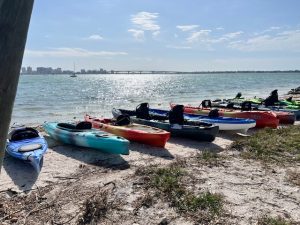
economy tackle sarasota

Sit-On-Top vs. Sit-Inside: Which is Right for Sarasota?

For Sarasota Bay fishing, sit-on-top (SOT) kayaks are almost always the better choice. Here’s why:

  • Self-draining: SOTs have scupper holes that drain water automatically, great in a saltwater environment where waves can splash over the bow
  • Easier re-entry: If you flip in the bay, climbing back onto a SOT is far simpler than trying to re-enter a sit-inside hull
  • More fishing-friendly: SOTs allow you to swivel, stand, and access gear around you much more easily
  • Cooler in Florida heat: Open cockpit designs keep you cooler in Sarasota’s intense summer sun

Sit-inside kayaks still have their place; they’re faster and have an advantage in cold weather, but for the vast majority of Sarasota Bay fishing, a sit-on-top is the right call.

Pedal Drive vs. Paddle: The Great Debate

One of the biggest decisions you’ll make is whether to go with a traditional paddle kayak or invest in a pedal-drive system. Both have genuine advantages for Sarasota Bay fishing.

Paddle Kayaks

  • Lower cost — typically $400 to $1,200 for quality fishing models
  • Generally, lighter and easier to transport on a vehicle
  • Better in very shallow water — no drive unit to worry about
  • Simpler to maintain — fewer moving parts
  • More maneuverable in tight mangrove tunnels
  • Easier setup – grab your paddle and go!

Pedal Drive Kayaks

  • Hands-free propulsion –  keep your rod ready while moving
  • Increased efficiency and speed – these systems allow you to cover significant ground across Sarasota’s expansive open flats with ease
  • Less tiring on long days – legs are stronger than arms for sustained effort
  • Ideal for trolling lures or live bait while maintaining speed
  • Higher cost – quality pedal kayaks start around $1,500 and go up from there

For beginners or anglers on a budget, a quality paddle kayak is an excellent starting point. If you’re a serious angler who fishes multiple days per week, the investment in a pedal drive pays dividends quickly.

Related Resource: Our comprehensive kayak fishing resource for Sarasota Bay

Key Features to Look For

Stability: Kayak stability typically comes down to two main factors. 1. In general, wider kayaks provide more stability, making them ideal for standing and casting. Fishing kayaks range from 32″ to 38″ wide, with wider models offering a larger platform to stand or for gear. 2. The shape of the hull plays a role in how a kayak performs on the water and its stability. Basic sit-on-top kayaks often feature a flat hull, which provides solid initial stability, great for casual paddling and fishing, but can lack strong secondary stability and may feel slower. Higher-performance fishing kayaks use hybrid hull designs, combining stability with improved speed and maneuverability.

Rod Holders

Look for kayaks with flush-mount rod holders, tracks to add rod holders, or a large tankwell for a crate. You’ll want to keep multiple rods rigged at all times. Switching from a topwater to a soft plastic should take seconds, not minutes.

Gear Tracks and Accessory Mounting

Most quality fishing kayaks come with gear tracks (also called rail systems) that allow you to mount accessories like fish finders, camera mounts, cup holders, and tackle trays without drilling into the hull. This is a significant advantage; your setup can evolve as your fishing style develops.

Storage

For a full day on Sarasota Bay, you’ll need space for a tackle bag, a small cooler or insulated bag, a dry bag for your phone and valuables, and safety gear. Look for a kayak with a large rear tank well with bungee rigging and a front hatch for storage.

Weight and Portability

Sarasota Bay has dozens of public boat ramps and kayak launches, but getting your kayak from your car to the water often involves a carry of 50 to 100 yards or more, and a kayak cart can make that trip easier. Choose a cart that can carry both the weight of your kayak and your gear. The right wheel type depends on the terrain you’ll be crossing. Most modern kayak carts use airless tires, which perform well over rough ground. For beach use, larger inflatable (balloon-style) tires are essential to help you roll smoothly over soft sand.

Top Fishing Kayaks Available at Economy Tackle

We stock a carefully curated selection of fishing kayaks chosen specifically for Sarasota Bay conditions. Here are some of our top recommendations across different price points and fishing styles:

Best Overall Fishing Kayak

Over the past few months, our most popular fishing kayak has been the Native Slayer 10 LTE. It features a lightweight, grab-and-go design with plenty of room, along with a pedal drive that offers both forward and reverse.

Coming soon, we’ll be welcoming the Bonafide XTR 130, a true fishing machine. It offers generous walkable deck space, a comfortable swivel seat, optional tandem seating, and plenty of gear track space. Plus, we will be adding a Newport Electric Motor for some serious on-the-water performance.

Best Budget Fishing Kayak

The best budget-friendly option is the Pelican Catch Classic 120. Backed by a well-known name, this sit-on-top kayak offers reliable performance and is a great option for beginners. We also now offer Pelican’s affordable, lightweight pedal fishing kayak- the Catch Kicker 110. This fin drive gives anglers the chance to pursue shallow waters while still using their drive system. 

Close behind are the Wilderness Systems Tarpon 120 and the Perception Pescador Pro 12, both offering excellent performance and value. The Tarpon 120 features an integrated track system and a comfortable seat, making it ideal for long days on the water. The  Pescador Pro 12 offers a raised frame seat, giving you better visibility for sight fishing while paddling and plenty of storage as well.

Best Pedal Drive Kayak

For anglers who want hands-free propulsion, the pedal-driven Hobie Outback is a strong contender. It comes fully rigged with the Hobie H-Rail system, a strong, corrosion-resistant platform for easily adding gear-  along with map pockets, rod holders, hatches, and a large rear tankwell. 

For more serious anglers, we offer the Native Slayer Max Propel and the Hobie Pro Angler 14. Both provide generous storage, comfortable seating, and large, stable platforms designed for standing, casting, and sight fishing.

Related Resource: Everything you need to know about kayak fishing in Sarasota Bay

Essential Accessories You’ll Need

The kayak is just the beginning. Here are the accessories you’ll want to add to your setup before hitting the water:

Stop by Economy Tackle, and our staff will help you find a fishing kayak tailored to you. We carry all the accessories you need under one roof.

Where to Launch in Sarasota Bay

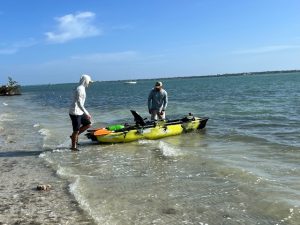
Once you have your kayak, you’ll want to know where to put in. Sarasota Bay has numerous public launch points, from dedicated kayak launches to full boat ramp facilities. The best spot for you depends on what you want to fish and your skill level. Beginners should start at protected launches such as those close to the mangrove islands, while experienced anglers can access more remote flats and open bays. 

Choosing the right fishing kayak for Sarasota Bay is one of the best investments you can make as an angler. The right boat puts you in places no motorized vessel can reach, the ultra-shallow flats where redfish tail in the sun, the tight mangrove channels where snook lie in ambush, the grass edges where spotted sea trout cruise at dawn.

Visit Economy Tackle in Sarasota to see our full selection of fishing kayaks. Our staff are local anglers who fish Sarasota Bay regularly, and we’ll help you find the right boat for your fishing style, your budget, and the waters you love to fish.

Related Resource: The ultimate Sarasota Bay kayak fishing guide — techniques, locations, and more

Recent News

2026 PADDLE N’ GO SPRING KAYAK SALE, DEMO AND SEMINAR!!

Our annual spring kayak sale and demo day is here! Plus we will host another kayak fishing seminar with local legend, Chris Lender.

Demo Day:

Our free demo day will be hosted at Ken Thompson Park on lido key, Saturday March 21st @ 9a to Noon. 

Come try before you buy. We will host a variety of kayaks from pedal to paddle driven, sit-in to sit-on top.

We host the largest selection of kayaks in Sarasota Florida, from:

Hobie, Hurricane, Eddyline, Perception, Wilderness System and Pelican. 

This paddling event is for all levels of experience. We have knowledgeable team of staff, as well as some of our company brand reps to assist and answer any and all of your questions.

**Sale exlcudes Hobie products, trailers and electronics.


Kayak Fishing Seminar

Join local legend and Hobie Pro Staff memeber Chris Lender as he discusses the pro’s and con’s of kayaking fishing our salty bay waters.

Chris is a

  • Florida Redfish Series Champion
  • Florida Redfish Series Ambassador
  • 3rd Place WINNER of the Hobie Saltwater Series Tournament of Champion

The seminar will be held at 6018 S Tamiami Trl, Sarasota, FL in our kayak shop and display area Sunday March 22nd @ 11am.

Lender offers insights to using the Hobie Pro Angler 360, shares his favorite rods and reels, and gives tips on what lures to use in our waters.

This is an event not to miss. No registration needed. Come as you are and enjoy this very popular kayak fishing seminar.


Hope to see you there! Tight lines and happy paddling. 


Fishing Report-Monday March 9, 2026

The weather has been absolutely beautiful and the fishing has been a reflection of just that! Warmer weather and calmer winds have allowed many to get out nearshore and offshore these past couple weeks. Sailfish were reported about 50 mi out last week, big amberjacks and gag grouper on the deeper structure and in about 150′. Big mangrove snapper and porgies have been steadily reported in anywhere between 50′-100′ of water. Cobia, sheepshead and hogfish have been on nearshore structure as well as cobia and sheepshead in the bay. Smaller permit and pompano have been mentioned from the beach this past week, mainly from the south Siesta Key area.  Warmer water has been bringing the snook out of the backwater and trout and redfish have been plentiful in the north and south Sarasota Bay. There have been several reports of flounder and mackerel in the bay this week as well. Mangrove snapper near the mouth of Phillippi Creek as well as some larger jack crevalle. The bait is still small but in the coming weeks along with this warming trend we should start to see some bigger baitfish and hopefully a few king fish reports!! Stop in and see us!


Tight Lines!!

What Makes a Great Saltwater Fishing Rod and Reel Combo?

Choosing the right rod and reel combo can make or break your saltwater fishing experience. With so many options available, it is easy to feel overwhelmed. Whether you are fishing the flats in Sarasota, casting from a pier in Bradenton, or heading offshore occasionally, having a reliable and well-matched setup is essential.

At Economy Tackle/Dolphin Paddlesports, we help anglers select rod and reel combos that match local conditions and target species.

Start With the Right Rod Length and Power

Rod length and power are two of the most important factors. For most inshore saltwater fishing around Sarasota, a 7-foot rod is a versatile choice. It provides good casting distance while maintaining control.

Power refers to the rod’s strength. A medium or medium-heavy power rod works well for common Gulf Coast species like redfish, snook, sea trout, and flounder. Medium power offers flexibility for lighter lures, while medium-heavy gives you more backbone when fighting larger fish near docks or mangroves.

saltwater fishing rod & reel in sarasota

Understand Rod Action

Rod action describes where the rod bends when pressure is applied. Fast action rods bend mostly near the tip, providing better sensitivity and quicker hook sets. This is ideal for artificial lures and detecting subtle bites.

Moderate action rods bend more toward the middle, which can help when using live bait or treble-hook lures. For most Sarasota anglers, a fast action rod offers the best all-around performance.

Choose the Right Reel Type

Spinning reels are the most popular option for saltwater beginners and experienced anglers alike. They are easy to use, simple to cast, and versatile for various techniques.

When selecting a reel, look for smooth drag performance and a size that matches your rod. For inshore fishing, a 2500 to 4000 size spinning reel is typically ideal. This size range provides enough strength and line capacity without feeling too heavy.

Consider Line Capacity and Drag Strength

Your reel should hold enough line to handle long runs from species like snook or larger redfish. Braided line is commonly used because it is strong and allows for greater casting distance with smaller diameter line.

Pair your braided main line with a fluorocarbon leader for added abrasion resistance and low visibility in clear Gulf waters. Make sure your reel’s drag system is smooth and adjustable, as consistent drag pressure is critical when fighting strong fish.

Corrosion Resistance Is Essential

Saltwater is harsh on fishing equipment. A quality saltwater rod and reel combo should include corrosion-resistant materials such as stainless steel components, sealed bearings, and anodized aluminum parts.

Look for reels labeled specifically for saltwater use. Rinsing your gear with fresh water after each trip will also extend its lifespan and maintain performance.

A Reliable All-Around Setup for Sarasota Anglers

For beginners and anglers who want a dependable all-around setup, consider a 7-foot medium or medium-heavy fast action rod paired with a 3000 size saltwater spinning reel. Spool it with 10 to 20-pound braided line and add a fluorocarbon leader.

This combination works well for fishing the flats, mangroves, docks, and nearshore waters in Sarasota and Bradenton. It offers versatility without being overly specialized.

Contact Economy Tackle/Dolphin Paddlesports Today

If you are unsure which rod and reel combo is right for you, the team at Economy Tackle/Dolphin Paddlesports is here to help. We carry quality saltwater setups designed for local fishing conditions and can recommend the perfect match for your experience level and target species. Visit us in the Sarasota and Bradenton area or contact Economy Tackle/Dolphin Paddlesports to gear up for your next trip.

Women on the Water: March Kayaking Event

Our next Women on the Water kayaking excursion is happening on March 5, 2026 at Blackburn Point! We’ll launch from the south side of Blackburn Road, at the kayak launch near the swing bridge and paddle into Oscar Scherer Park for a beautiful morning on the water.

If you’d like to join us, registration is required. The deadline to sign up is February 28, 2026.

Event Details:

  • Arrival: 8:30 AM (for setup)
  • Launch: 9:00 AM sharp
  • Duration: Approximately 2 hours
  • Group Size: Limited to 25 women
  • Guides: 3 experienced kayak guides

Spots are limited, so be sure to reserve yours as soon as possible!

Kayak Rentals

We offer a variety of rental kayaks, including both sit-in and sit-on-top styles. To reserve a rental kayak, you must visit the store to:

  • Sign a waiver
  • Pay the $45 rental fee

Boat selection is first come, first served, with no exceptions. If there’s a specific kayak you’d like to try, we recommend signing up early to secure your choice.

Bringing Your Own Kayak?

You’re welcome to bring your own kayak! If you need assistance securing it to your vehicle, stop by the store and one of our team members will gladly demonstrate proper tie-down techniques using one of our rental kayaks. We also have straps and foam blocks available for purchase if needed. Planning to transport your kayak on your vehicle in the future? We can outift your car with a brand-new Thule or Yakima rack system to get you adventure-ready!

Give us a call today at 941-922-9671. We can’t wait to see you on the water! 🌊

Pedal or Paddle: The Ultimate Kayak Showdown

Kayak fishing and recreational paddling continue to grow in popularity throughout Sarasota and Bradenton. With miles of coastline, shallow flats, mangrove tunnels, and calm bays, the area offers ideal conditions for getting on the water. One of the biggest decisions new buyers face is whether to choose a pedal-drive kayak or a traditional paddle kayak.

At Economy Tackle/Dolphin Paddlesports, we help customers understand the differences so they can choose the right kayak for their needs and local conditions.

Key Difference: How You Power the Kayak

The most obvious difference is propulsion. A traditional paddle kayak is powered using a double-bladed paddle. A pedal kayak uses a foot-powered drive system, allowing you to propel the kayak by pedaling.

Pedal kayaks allow you to keep your hands free, which is especially helpful for fishing. Paddle kayaks, on the other hand, offer simplicity and lighter weight.

Speed and Efficiency

In general, pedal kayaks maintain steady speeds with less upper body fatigue. Because your legs are stronger than your arms, pedaling can feel more efficient over longer distances. This is helpful when covering large areas of Sarasota Bay or traveling against current.

Paddle kayaks can still move quickly, especially in shorter bursts. However, longer trips may require more physical effort.

Effort and Physical Demand

Pedal kayaks reduce strain on the shoulders and arms, making them a great choice for anglers who spend hours on the water. They also allow for precise boat positioning while casting or fighting a fish.

Paddle kayaks provide a full upper body workout and are lighter to transport. For recreational paddlers who enjoy a more traditional kayaking experience, paddling offers simplicity and control.

Fishing Performance

For anglers in Sarasota and Bradenton, pedal kayaks offer a major advantage. Hands-free movement allows you to adjust position while actively fishing. This is especially helpful when targeting redfish, snook, or trout along grass flats or mangroves.

Paddle kayaks are still very effective for fishing, particularly in shallow water. They often draft less water and can be easier to maneuver in tight mangrove tunnels or extremely skinny flats.

Cost Considerations

Pedal-drive kayaks typically cost more due to the added drive system. They also require slightly more maintenance. Paddle kayaks are more budget-friendly and have fewer mechanical components.

For many beginners, starting with a paddle kayak can be an affordable entry point into the sport. Serious anglers often see the value in upgrading to a pedal system over time.

Sarasota-Specific Conditions to Consider

Local conditions matter when choosing your kayak. Sarasota’s tides, wind, and shallow grass flats all play a role.

Strong tidal flow in passes and channels can make pedaling easier than paddling against current. Afternoon winds are common in this area, and a pedal drive can help maintain control and steady movement.

However, in extremely shallow flats, a paddle kayak may be easier to maneuver since some pedal drives require slightly deeper water. Many modern pedal systems can be adjusted or lifted in shallow areas, but it is important to consider where you plan to fish most often.

How to Choose the Best Option for You

Ask yourself a few simple questions:

  • Do you primarily plan to fish or recreationally paddle?
  • How far will you typically travel?
  • Is hands-free control important to you?
  • What is your budget?
  • Will you fish shallow flats or deeper bays more often?

If you want maximum fishing efficiency and hands-free control, a pedal kayak may be the better choice. If you prefer simplicity, lighter weight, and lower cost, a paddle kayak could be perfect for you.

Contact Economy Tackle/Dolphin Paddlesports Today

Choosing between a pedal kayak and a paddle kayak does not have to be complicated. The team at Economy Tackle/Dolphin Paddlesports can help you compare models and find the best fit for Sarasota and Bradenton waters. Visit us today or contact Economy Tackle/Dolphin Paddlesports to get expert guidance and get on the water with confidence.

Beginner’s Guide to Saltwater Fishing Tackle: What You Really Need

Saltwater fishing in Sarasota and Bradenton offers incredible opportunities for beginners. Whether you are casting from a pier, fishing the flats, or heading out in a kayak, the Gulf Coast provides access to species like redfish, snook, trout, and flounder. If you are new to the sport, the wide variety of rods, reels, and tackle can feel overwhelming. The key is starting with the right essentials instead of overloading your tackle box.

At Economy Tackle/Dolphin Paddlesports, we help new anglers focus on what truly matters so they can fish confidently from day one.

Start With a Versatile Rod and Reel

For most beginners fishing in the Sarasota and Bradenton area, a 7-foot medium or medium-heavy spinning rod paired with a saltwater-rated spinning reel is a smart choice. Spinning setups are easy to handle and forgiving for new anglers learning to cast.

Make sure your reel is built for saltwater use to prevent corrosion. A reliable rod and reel combo will cover most inshore fishing situations and give you flexibility as you gain experience.

Choose the Right Line and Leader

Fishing line is one of the most important parts of your setup. Many anglers prefer braided line because it is strong, sensitive, and allows for longer casts. A 10 to 20-pound braid works well for targeting common inshore species.

Adding a fluorocarbon leader is essential in saltwater fishing. Fluorocarbon is less visible underwater and provides extra abrasion resistance when fishing around docks, mangroves, or oyster bars.

Keep Terminal Tackle Simple

You do not need every hook size available. Start with a small selection of circle hooks and jig heads that match the bait you plan to use. Circle hooks are great for beginners because they increase hook-up success and are better for catch and release.

Carry a few basic weights like split shot or egg sinkers to adjust for current and depth. Swivels are also helpful for connecting your main line to your leader and reducing line twist.

Live Bait and Artificial Lures

Both live bait and artificial lures are effective in Sarasota and Bradenton waters. Live shrimp and pinfish are reliable options for beginners and consistently attract popular inshore species.

If you prefer artificial lures, start with soft plastic paddle tails, jerk baits, and a topwater lure. These cover different water conditions and are simple to use while you build confidence.

Do Not Overlook Basic Gear

In addition to tackle, a few basic tools will improve your experience. Pliers for hook removal, a small landing net, polarized sunglasses, sunscreen, and a well-organized tackle box are all essential. If you are kayak fishing, Dolphin Paddlesports can help outfit your kayak with rod holders and storage options for a smoother trip.

Get Local Guidance Before You Fish

Fishing conditions in Sarasota and Bradenton change with the seasons, tides, and weather. Stopping by Economy Tackle/Dolphin Paddlesports before you head out allows you to get up-to-date advice on what is biting and which setups are working best.

Contact Economy Tackle/Dolphin Paddlesports Today

If you are ready to start saltwater fishing in Sarasota or Bradenton, Economy Tackle/Dolphin Paddlesports has the gear, bait, and local expertise you need. Whether you are shopping for your first rod and reel or gearing up for your next trip, our team is here to help. Visit us today or contact Economy Tackle/Dolphin Paddlesports to get started on the water.

Live Bait vs. Artificial Lures for Inshore Florida Fishing: When to Use Each

Ask ten anglers whether they prefer live bait or artificial lures, and you’ll get ten different answers, usually delivered with strong opinions. The truth is that both have a place in your arsenal, and knowing when to reach for each one is what separates a productive day on the water from a slow one.

If you’re fishing Sarasota Bay and the surrounding inshore waters of Southwest Florida, here’s what experience actually teaches you about this debate.

The Case for Live Bait

Live bait works because it’s real. The scent, the movement, the vibration in the water — fish have been eating these things their entire lives. On tough days when the fish are pressured, lethargic from temperature swings, or simply not in a chasing mood, live bait often gets bites that artificials can’t buy.

Shrimp is the universal inshore bait in Florida. Snook, redfish, trout, flounder, sheepshead, snapper — virtually everything that swims inshore will eat a live shrimp. Fished under a popping cork, free-lined on a light jighead, or drifted along the bottom, shrimp is a go-to choice for beginners and experienced anglers alike. It’s also widely available at Economy Tackle and bait shops throughout the Sarasota area.

Pinfish and grunt are the preferred live bait for targeting larger snook and redfish. Hook a lively pinfish near a mangrove edge or under a dock light at night, and you’re presenting exactly what big snook are already hunting. Pinfish are easy to catch on a small hook and a piece of shrimp, and a live well full of them is serious ammunition.

Mullet in various sizes covers a wide range of situations. Finger mullet are excellent for redfish on the flats and snook along shorelines. Larger cut mullet fished on the bottom is one of the most effective redfish and black drum baits on the market, especially in passes and deeper structure.

Live bait shines when fish are inactive, water temperatures are extreme (very cold or very hot), visibility is low, or you’re targeting a specific large fish that’s been finicky. It also tends to produce faster results for beginners who are still learning to work with artificials effectively.

The downsides are real, though. Live bait requires a live well or aerated bucket, burns through your supply quickly if fish aren’t cooperating, and limits how much water you can cover. You’re committed to fishing an area rather than searching for fish.

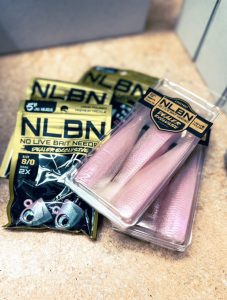
No Live Bait Needed

The Case for Artificial Lures

Artificials let you fish faster, cover more water, and target specific behaviors and depths with precision. A good angler with the right lure can consistently match or outfish live bait under the right conditions.

Soft plastic paddle tails and shrimp imitations are the workhorses of inshore Florida fishing. Rigged on a light jighead, a soft plastic can be worked through the water column, bounced along the bottom, or slowly retrieved just under the surface. They’re effective for trout on the flats, redfish in the grass, and snook around structure. Brands like DOA, Z-Man, and Gulp have proven track records in Sarasota Bay.

Topwater lures produce some of the most exciting fishing you’ll experience inshore. Early morning on a calm flat, a walking topwater bait worked slowly over the grass can draw explosive strikes from trout and snook. The visual element of the strike is addictive. When conditions are right, nothing beats it.

Gold spoons are one of the oldest and most reliable redfish baits in existence. A weedless gold spoon wobbled across a shallow flat mimics a fleeing baitfish and triggers instinctive reaction strikes from redfish and trout. They’re also castable in the wind, durable, and inexpensive.

MirrOlures and suspending twitch baits are particularly effective for trout in cooler months when fish are holding in specific depth ranges. A slow, twitching retrieve that keeps the lure in the strike zone longer produces well when fish aren’t actively chasing.

Artificials are the better choice when fish are actively feeding, when you need to cover water to locate schools, when you’re sight-fishing and need precise casts, or when you simply don’t have access to fresh live bait. They require more skill and practice to use effectively, but that investment pays off over time.

When Live Bait Wins

Live bait has a clear edge in these situations:

Fish are inactive due to cold fronts or dramatic temperature drops. Sarasota Bay sees water temperatures dip into the low 60s in winter, and fish slow down considerably. A live shrimp sitting in their face is far easier to eat than a lure requiring a chase.

Visibility is poor. After heavy rain, strong tidal flow, or wind chop, water clarity drops, and fish are relying on scent as much as sight. Live bait produces scent trails that artificials can’t replicate.

You’re targeting sheepshead, flounder, or black drum specifically. These species respond far better to live or cut bait than to most artificial presentations.

Beginners who are still developing their retrieve techniques will consistently catch more fish on live bait while building confidence on the water.

When Artificials Win

Artificials have a clear edge in these situations:

Fish are actively feeding on the surface or chasing bait. When you can see bait getting pushed and birds working, an artificial cast into the action often outperforms live bait because you can keep up with the school.

You’re covering a lot of water looking for fish. Kayak anglers working the flats of Sarasota Bay can cover significant ground more efficiently with artificials, stopping to work live bait only once fish are located.

Sight-fishing on shallow, clear flats. A soft plastic or gold spoon dropped 18 inches in front of a tailing redfish is often more effective than fumbling with live bait and potentially spooking the fish.

You need to make repeated casts to the same area without burning through your bait supply.

The Smart Approach: Use Both

The most productive inshore anglers don’t commit exclusively to one or the other. They start with artificials to locate fish and cover water, then switch to live bait when they’ve found where fish are holding or when conditions call for it. Keeping a small supply of live shrimp on the kayak as a backup is almost always worth it.

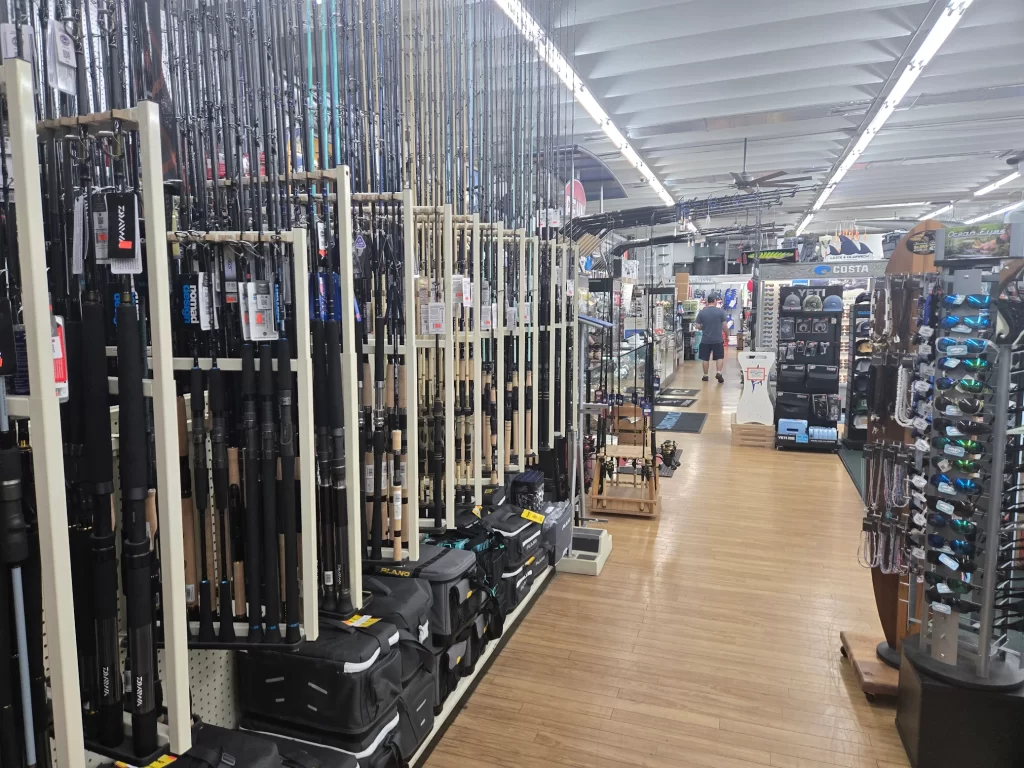
At Economy Tackle, we stock both a full selection of proven inshore lures and fresh live and frozen shrimp daily. Whether you’re heading out with a box of soft plastics or need to load up on shrimp before an early morning tide, stop by, and we’ll make sure you’re set up for the conditions.

Fishing Florida’s Tarpon Season from a Kayak: What You Need to Know

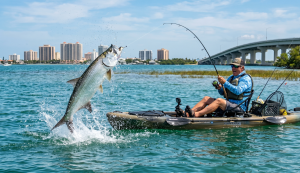
There are fish, and then there are tarpon. Few inshore species command the same respect, obsession, and outright awe as the Silver King. Hooking one from a kayak puts you in a category of angling that very few anglers ever experience, and Southwest Florida is one of the best places in the world to do it.

If you’ve been thinking about targeting tarpon from your kayak this season, here’s what you need to know before you head out.

When Tarpon Arrive in Southwest Florida

Tarpon begin showing up along Florida’s Gulf Coast in earnest starting in April. By May, the migration is in full swing, and June and July represent the peak of tarpon season in the Sarasota and Charlotte Harbor region. Fish push through the passes, stack up along beaches, and work their way into bays and backwater areas following bait pods and favorable water temperatures.

Water temperature is the key driver. Once Gulf waters consistently hit the low to mid 70s, tarpon become increasingly active and catchable. By late spring, fish are rolling on the surface, daisy-chaining in passes, and showing themselves in numbers that can genuinely take your breath away.

The season winds down through August as many fish continue their migration south or push offshore, though resident fish and late-season stragglers keep things interesting well into fall in some years.

fishing for tarpon in sarasota on kayak

Best Areas Near Sarasota for Kayak Tarpon Encounters

You don’t need to travel far. Some of the most productive tarpon waters in Florida are right in the Sarasota area.

Longboat Pass and New Pass are the top producers during the migration. Tarpon stack in these cuts as they move between the Gulf and the bay, and a kayak angler positioned on the edges of the current can intercept fish that boat traffic pushes away from the channel center. Early morning, before boat traffic picks up, is prime time.

Big Pass near Siesta Key is another reliable corridor. The bridge pilings and channel edges hold fish and give kayak anglers natural structure to work around.

Sarasota Bay itself sees tarpon working through during the migration, particularly along the deeper grass flat edges and near the ICW. Sight-fishing opportunities on calm mornings can be exceptional when fish are rolling.

The beaches along Lido Key and Longboat Key hold migrating tarpon tracking just outside the first sandbar during May and June. Kayak anglers who launch from public beach access points and work parallel to the shore can find fish that are almost within casting distance of the sand.

The Tackle You Need

This is not the time for your trout rod. Tarpon are large, powerful, and will destroy underpowered gear. Rigging correctly before you launch is non-negotiable.

For spinning gear, a quality 7’6″ to 8′ heavy rod paired with a 6000 to 8000 class reel is the standard starting point. Spool with 50 to 65 lb braided line. Braid gives you the sensitivity to feel what’s happening and the strength to apply serious pressure during a fight.

For baitcasting setups, a heavy flipping or casting rod in the 7′ to 7’6″ range with a high-capacity reel spooled with 65 lb braid is a strong choice. Baitcasters allow for precise placement when sight-casting to rolling fish.

Leader selection is critical. Tarpon have abrasive mouths and gill plates that will cut through light fluorocarbon in seconds. Use 60-80 lbs fluorocarbon leader, typically 4 to 6 feet in length, attached to the braid with a quality knot. A circle hook in the 6/0 to 10/0 range is the right terminal choice for most live bait presentations.

Live Bait vs. Lures: Which Approach to Take

Both work, and the right choice depends on conditions and how the fish are behaving on a given day.

Live bait is the most consistent producer for kayak tarpon fishing in the Sarasota area. Live crabs, particularly blue crabs and pass crabs, are considered among the top tarpon baits in Florida. Large live mullet, threadfin herring, and pinfish are also excellent options. Free-lining live bait in a pass on an incoming tide with fish actively moving through is as productive as it gets.

Artificial lures shine when fish are in a chasing mood or when you’re targeting rolling fish on open flats and beaches. Large swimbaits, tarpon-specific snook plugs, and streamer-style lures in the 6 to 8 inch range can draw aggressive strikes. Working a large paddle tail or a surface plug past a daisy chain of rolling tarpon is a sight you won’t forget, regardless of whether they eat.

Presentations need to lead the fish. Cast well ahead of the direction they’re moving and bring the bait across their path. A tarpon that has to turn to chase a bait is far more likely to commit than one that sees the lure coming straight at it.

Fighting and Releasing Tarpon from a Kayak

This is where things get real. A 100 lb tarpon on the end of your line and a 12-foot kayak under you is a combination that demands respect and preparation.

When the fish jumps, bow to the king. Drop your rod tip toward the fish during jumps to create slack and reduce the chance of a thrown hook or a broken rod from the impact. Tarpon jump repeatedly and violently, and keeping tension through every leap is how gear gets destroyed.

Be prepared to be moved. Tarpon will pull a kayak significant distances and in directions you don’t choose. Know your surroundings before you hook up. Avoid fishing near heavy boat traffic, bridge pilings, or areas with strong crossing currents that could put you in a dangerous position.

Keep the fight as short as possible. Tarpon are powerful, but they tire, and a fish that’s been fought to exhaustion takes longer to recover and faces a higher risk of post-release mortality. Apply steady, confident pressure throughout the fight. Don’t let the fish sit still and recover mid-fight.

For the release, keep the tarpon in the water at all times if possible. If you need to touch the fish, support it horizontally and never hold a tarpon vertically by the lower jaw, as this can damage internal organs. Hold the fish upright in the water, pointing into any available current, until it kicks free on its own.

One important note on Florida regulations: Tarpon are a catch-and-release-only species, and no harvest is permitted. Tarpon over 40 inches must remain in the water at all times when caught, per FWC guidelines. Only hook-and-line fishing is allowed; snagging, snatch hooking, and spearing of tarpon are prohibited.

Anglers pursuing a Florida state or world record may purchase a tarpon tag through the Florida Fish and Wildlife Conservation Commission for $50, with a limit of one tag per person, per year.

Please note that fishing regulations can change frequently, sometimes daily, weekly, or seasonally, and vary by location based on factors such as water conditions, fish populations, and conservation needs. Always verify current rules with the FWC before heading out.

Safety Considerations

Tarpon fishing from a kayak is exhilarating. It’s also the kind of fishing that requires you to think ahead.

File a float plan with someone on shore before heading out to passes or beaches. Know the tide schedule and how it affects current strength in the passes you’re fishing. Wear your PFD. This is non-negotiable when targeting large fish that can put you in unpredictable situations quickly.

Carry a line cutter or knife accessible without digging through gear. If a fish wraps you in your own line or runs under the kayak, you need to be able to cut free immediately. Keep your hooks attended and never leave a rigged rod where it could contact your body during a sudden run.

The experience of fighting a tarpon from a kayak is unlike anything else inshore fishing offers. It requires preparation, the right gear, and sound judgment on the water. Get those things right, and you’ll have stories worth telling for a long time.

Stop by Economy Tackle before tarpon season heats up. We carry the tackle, leader material, live bait, and local knowledge to get you ready. Visit us at floridakayak.com or come see us in Sarasota.

Top 6 Kayak Fishing Spots in Sarasota Bay

Sarasota Bay stretches roughly 35 miles along the Gulf Coast of Florida, offering an extraordinary variety of fishing environments within easy paddling distance of public launch points. From the shallow grass flats of the upper bay to the deep mangrove channels of the barrier islands, every section of this estuary holds fish year-round.

We’ve identified the 6 best kayak fishing spots in Sarasota Bay. Each location has been selected based on fish diversity, accessibility, and scenic value. We’ve included GPS coordinates, recommended launch points, target species, and the best tackle to bring.

Related Resource: Complete Guide to Kayak Fishing in Sarasota Bay — techniques, gear & more

A Note on Sarasota Bay Fishing Access

Most of the spots listed below are accessible from public boat ramps or dedicated kayak launches. Florida law requires a valid fishing license for anyone 16 or older fishing in state waters. Always check current regulations for size and bag limits. Sarasota Bay is subject to FWC rules, and some areas have additional protections.

Tides matter enormously when kayak fishing Sarasota Bay. Many of the best flats fish best on a falling tide that concentrates fish in deeper channels, or on a rising tide as fish push up onto the grass to feed. Download a tide chart app and plan your trips around tidal movement.

best paddle shop near bradenton

Spot 1: Phillippi Creek Flats

GPS: 27°16’15.9″N 82°32’03.6″W | Launch: Phillippi Estate Park

The shallow flats at the mouth of Phillippi Creek are one of the most productive and accessible kayak fishing locations in the entire Sarasota Bay system. A short paddle from the public launch at Phillippi Estate Park puts you on grass flats that regularly hold spotted sea trout, redfish, and snook.

  • Best species: Spotted sea trout, redfish, snook
  • Best tides: Outgoing tide concentrates fish at the creek mouth
  • Recommended tackle: Soft plastic paddletails on 1/4 oz jigheads, weedless gold spoons
  • Best times: Early morning, October through May

Spot 2: Sarasota Bay Grass Flats (North End)

GPS: 27.3621° N, 82.5798° W | Launch: Bayfront park on Longboat Key

The expansive grass flats on the northern end of Sarasota Bay are classic inshore fishing territory. On clear-water days, you can sight-fish to tailing redfish and cruising sea trout across vast stretches of turtle grass. This area rewards patient, quiet anglers who pedal or paddle slowly and let the fish come to them.

  • Best species: Redfish, spotted sea trout, flounder
  • Best tides: Incoming tide as fish push onto the flats
  • Recommended tackle: Weedless soft plastics, topwater plugs at dawn
  • Best times: Year-round; summer mornings before wind builds

Spot 3: Lido Key Mangrove Channels

GPS: 27.308771, -82.566274 | Launch: Ted Sperling Park

The backside of Lido Key offers an intricate network of mangrove channels that are tailor-made for kayak fishing. Snook hold tight to the mangrove roots year-round, and the channel edges hold redfish and juvenile tarpon, especially in summer. This area requires a stealth approach, slowly and cast tight to the root structure.

  • Best species: Snook, redfish, juvenile tarpon (summer)
  • Best tides: Rising tide as fish move into the mangroves
  • Recommended tackle: DOA Shrimp, live bait under a popping cork
  • Best times: Year-round; best for snook, May through October

Spot 4: Roberts Bay

GPS: 27.290228, -82.547076 

Roberts Bay, located at the southern end of Sarasota Bay, is a productive and often overlooked destination for kayak anglers. The bay’s shallower, more protected waters are excellent for beginners, while the grass flat edges and oyster bars offer serious fishing opportunities. Flounder is a specialty here in the fall and winter.

  • Best species: Flounder, redfish, sheepshead, trout
  • Best tides: Outgoing tide along oyster bar edges
  • Recommended tackle: Live shrimp, gulp shrimp on jigheads
  • Best times: October through March for flounder

Spot 5: New Pass

GPS: 27.335592, -82.579340 | Launch: Ken Thompson Park

New Pass connects Sarasota Bay to the Gulf of Mexico, creating a productive current-driven environment that attracts a wide variety of species. The structure around the pass, bridge pilings, rock jetties, and deep channels holds snook, tarpon, jack crevalle, and Spanish mackerel. This is one of Sarasota’s most exciting kayak fishing spots.

  • Best species: Snook, tarpon, Spanish mackerel, jack crevalle
  • Best tides: Strong tidal flow is key; fish the movement
  • Recommended tackle: Live bait, swimbaits, topwater lures
  • Best times: May through October for snook and tarpon

Note: Boat traffic in and around New Pass can be heavy. Kayak anglers should stay alert and wear their PFD at all times in this area.

Spot 6: Midnight Pass — Jim Neville Marine Preserve

GPS: 27.2092177°N, -82.511764°W | Launch: Turtle Beach Park

Midnight Pass, recently reopened after being closed for decades, has quickly become one of the most exciting kayak fishing destinations in the Sarasota area. The restored tidal flow has dramatically improved water clarity and oxygen levels throughout this section of Little Sarasota Bay, and the fishing has responded in kind. The Jim Neville Marine Preserve, accessed from Turtle Beach Park on the south end of Siesta Key, protects a stretch of pristine grass flats and mangrove shoreline that sits right in the shadow of the pass. Crystal-clear water makes sight-fishing to redfish and trout here as good as anywhere in the bay system. The renewed tidal exchange through Midnight Pass pulls bait and predators through the area on every tide cycle, creating consistent action that improves year by year as the ecosystem continues to recover. Paddle south from Turtle Beach into the preserve and work the grass flats in 1–3 feet of water for tailing reds, or fish the mangrove edges near the pass itself for snook stacked up in current.

  • Best species: Redfish (sight fishing), snook, spotted sea trout, flounder
  • Best tides: Incoming and outgoing are both productive; outgoing concentrates fish near the pass
  • Recommended tackle: Gold spoon or D.O.A. shrimp for flats reds; live shrimp or pilchards near the pass for snook
  • Best times: Year-round; fall and spring are peak for flats fishing; summer evenings near the pass for snook

Planning Your Trip: What to Bring

For any of these locations, pack the following essentials:

  • Fishing license (available at Economy Tackle or online at myfwc.com)
  • PFD (personal flotation device) — required by Florida law
  • Sunscreen, hat, and sun-protective clothing
  • Plenty of water — minimum 32 oz per hour in summer heat
  • Tide chart and weather forecast
  • Marine VHF radio or fully charged cell phone
  • Anchor with at least 30 feet of line

Related Resource: The ultimate guide to kayak fishing in Sarasota Bay — gear, techniques & safety